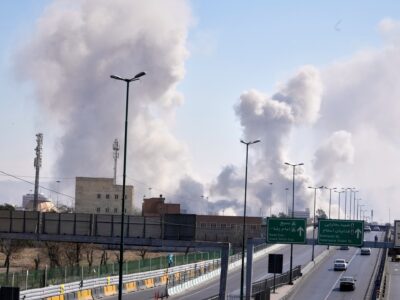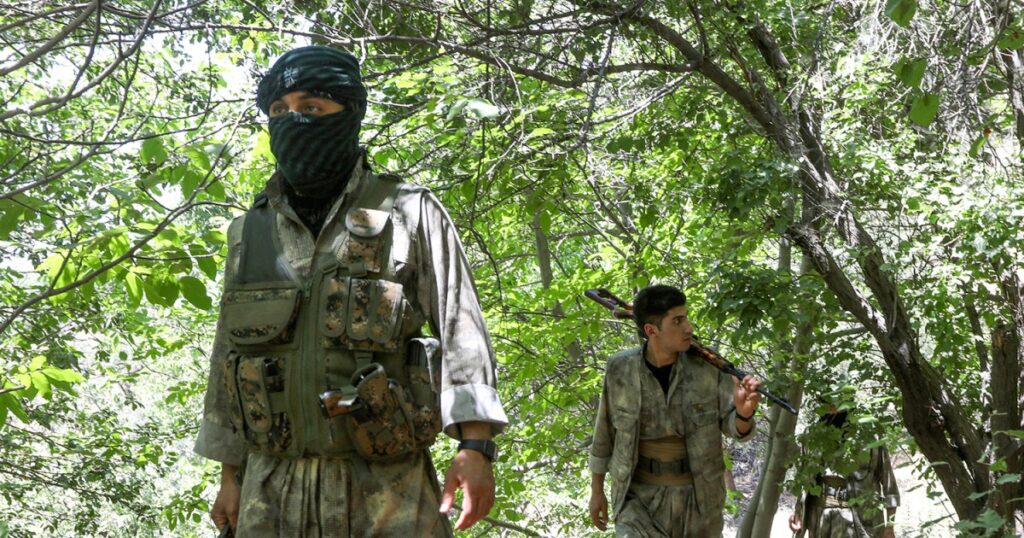
Recent reports have surfaced alleging that the CIA might be considering arming Kurdish forces in Iran as part of a broader strategy to incite an uprising against the Iranian regime. Such claims, while unverified, have stirred significant debate among international analysts and regional experts. Many experts caution that providing arms to Kurdish groups within Iran could exacerbate existing tensions and potentially lead to increased instability in the already volatile region. Kurdish populations in Iran have historically sought greater autonomy or independence, and while their aspirations have contributed to internal challenges for Tehran, the introduction of foreign-supplied weaponry could escalate conflicts beyond current levels.
The strategic motivation behind such a plan, if true, would likely be to weaken Iran’s central government by fostering internal dissent and unrest. However, experts argue that this approach may backfire, as it risks igniting a broader civil conflict or empowering factions that might not align with the interests of external actors, potentially prolonging violence. Moreover, such a scenario could have unintended consequences for regional security, impacting neighboring countries and complicating diplomatic efforts to address Iran’s nuclear ambitions and human rights issues.
Critics highlight that promoting peace and stability in Iran requires nuanced diplomatic engagements and support for peaceful political reforms rather than militarizing internal groups. The international community remains divided on how best to encourage positive change within Iran, with some advocating for dialogue and sanctions, while others support more direct interventions.
In summary, if the CIA is indeed considering arming Kurdish forces as alleged, experts warn that this could destabilize Iran further rather than fostering peace. The complexity of Iran’s internal dynamics demands careful consideration to avoid intensifying conflict and regional instability.