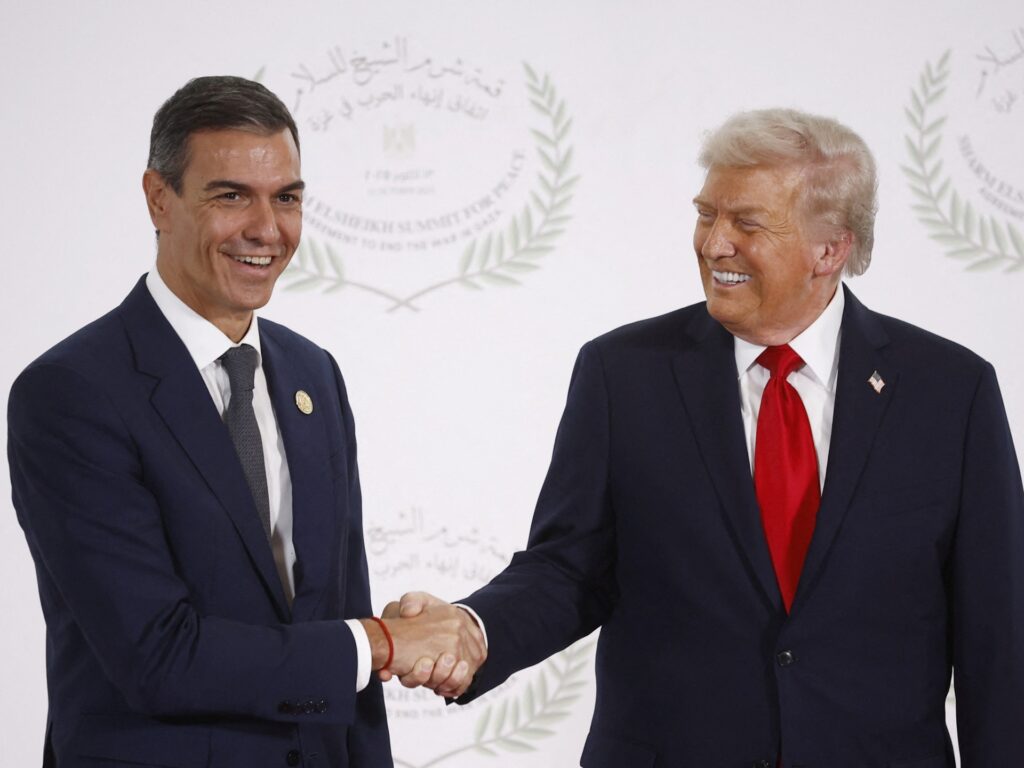
Spain has expressed strong resistance against recent threats from the United States to cut off all trade relations over disagreements related to NATO policies and stances on Iran. The escalating tension between the two allies reflects deeper diplomatic strains that have emerged amid contrasting foreign policy approaches.
The controversy intensified after the US relocated 15 military aircraft, including crucial refuelling tankers, from its bases in southern Spain. This move has raised concerns about the strategic significance of Spain within NATO and the broader transatlantic partnership. Military and diplomatic sources indicate that the aircraft redeployment is linked to disagreements over Spain’s position on NATO’s operational policies and its approach to the Iranian issue.
Spain, a key NATO member, traditionally supports the alliance but has taken nuanced stances recently, particularly concerning Iran’s nuclear program and regional influence. The US administration under Donald Trump reportedly viewed some of Spain’s decisions as non-aligned with broader US strategies in the Middle East and Euro-Atlantic defense cooperation.
The relocation of the US aircraft is seen by many analysts as a leverage tactic to pressure Spain into conforming to US foreign policy directives. The affected military assets play a critical role in aerial refuelling and logistical support for NATO operations, highlighting the gravity of the dispute.
Spanish officials have publicly rejected any attempts to undermine bilateral trade relations or question Spain’s commitment to NATO. They affirm that Spain remains an active and constructive NATO partner, emphasizing an independent foreign policy approach that balances alliance solidarity with national interests.
Economic experts warn that cutting off all trade between the US and Spain would have far-reaching impacts on both economies. Spain exports a variety of goods and services to the US, including automotive, fashion, agriculture, and aerospace products, while importing significant American technology and investment.
Furthermore, the EU and NATO have expressed concern over the rift, calling for dialogue and cooperation to resolve differences. European leaders insist that unity among allies is paramount, especially given global security challenges such as terrorism, cyber threats, and geopolitical rivalry with Russia and China.
The Trump administration’s hardline approach to Iran involves intensified sanctions and reduced diplomatic engagement, policies that Spain has not fully endorsed. This divergence marks a key friction point, as Spain advocates for multilateral negotiations and diplomacy to maintain regional stability.
Public opinion in Spain reflects unease over potential economic fallout and diplomatic isolation. Many Spaniards support maintaining strong relationships with the US but are wary of ceding sovereignty or aligning strictly with US policies perceived as aggressive or unilateral.
As the situation develops, both countries face the challenge of balancing strategic alliance pragmatism with independent policy goals. Observers note that resolving the dispute will require compromise and renewed commitment to shared values and interests.
In conclusion, Spain’s rejection of US threats to cut off all trade over NATO and Iran related issues underscores broader tensions within international alliances. It highlights the complexities of maintaining unified foreign policies amidst diverse national priorities and global challenges. The outcome of this confrontation will shape the future trajectory of US-Spain relations and their roles within NATO and broader international frameworks.