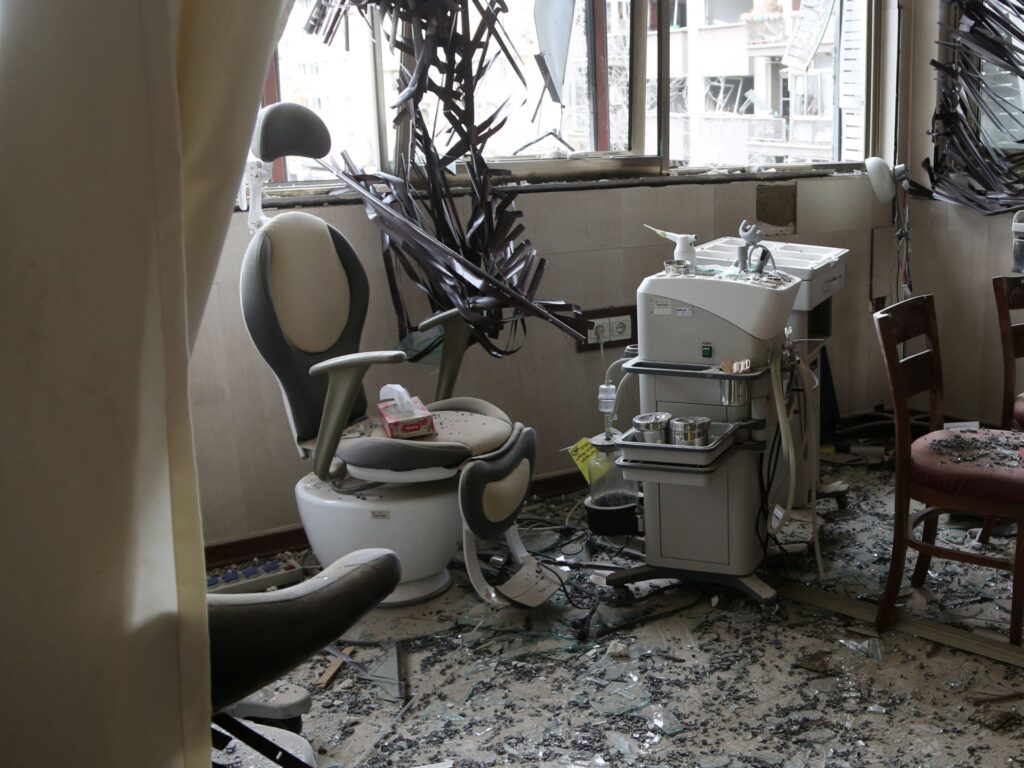
The recent US-Israeli military strikes on Tehran have resulted in significant damage to civilian and infrastructural facilities, escalating concerns over the humanitarian impact in the region. According to reports, the attacks have not only targeted strategic locations but have also severely affected residential housing areas, medical facilities such as hospitals, and police stations within the city, marking an intensification in the conflict.
The strikes, which have been described as coordinated efforts between the United States and Israel, have caused widespread destruction leading to numerous injuries and displacement of residents. The targeting of hospitals is particularly alarming, as it undermines critical healthcare services needed for the injured and vulnerable populations, exacerbating the crisis.
Residents in affected neighborhoods have reported numerous casualties and damage to their homes, leaving many families without shelter. The disruption of police services due to damage at police stations further complicates the security situation, impairing the local authorities’ ability to maintain order and provide assistance.
International observers and humanitarian organizations have expressed deep concern over the escalating violence and its toll on civilians. Calls for immediate ceasefires and diplomatic engagements have intensified as the conflict shows no signs of abating.
The impact of these strikes extends beyond physical damage, contributing to increased tensions between involved nations and destabilizing the region further. Analysts warn that sustained military actions could lead to broader conflicts, urging restraint and dialogue to prevent further loss of life and infrastructure.
Efforts to provide emergency aid and medical support are underway, though access remains challenging due to ongoing hostilities. The global community is urged to prioritize humanitarian assistance and push for peaceful resolutions to stem the ongoing violence.
In summary, the US-Israeli strikes on Tehran have resulted in widespread damage to essential civilian infrastructure, heightening the humanitarian crisis and prompting international calls for urgent intervention and peace efforts. The situation remains dynamic, with further developments expected as stakeholders seek to navigate the complex geopolitical landscape.