In a dramatic escalation of Middle Eastern tensions, the United States and Israel have launched coordinated attacks on Iranian targets, marking a significant intensification in their ongoing conflict with Tehran. The attacks come as Iranian President Donald Trump has publicly declared that American operations against Iran will persist until all the US’s strategic goals are achieved. This assertive stance underscores the US administration’s commitment to pressuring Iran over its regional activities and nuclear ambitions.
The Iranian government, meanwhile, has firmly stated that it is not engaging in any negotiations or talks with the United States at this time. Tehran’s leadership insists on maintaining a strong stance in the face of ongoing military and economic pressures. This refusal to enter dialogue signals a deepening rift and suggests that diplomatic resolutions may remain elusive in the near term.
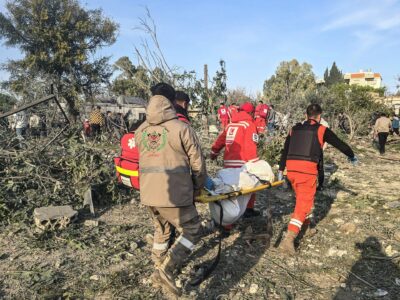
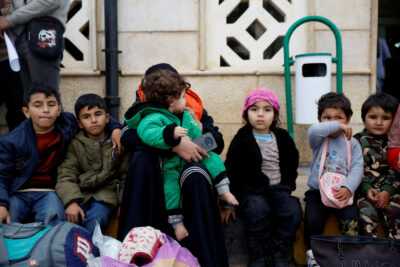
In addition to the direct confrontations with Iran, Israel has reportedly conducted airstrikes in Lebanon, targeting what it describes as militant infrastructure linked to Iranian-backed groups. These strikes have further complicated regional dynamics, drawing Lebanon further into the conflict and raising concerns about a broader escalation across neighboring countries.
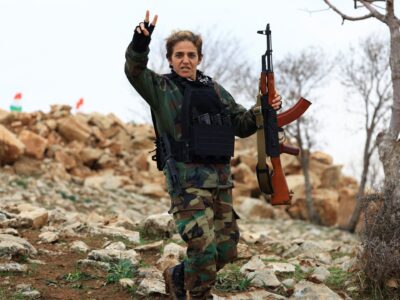
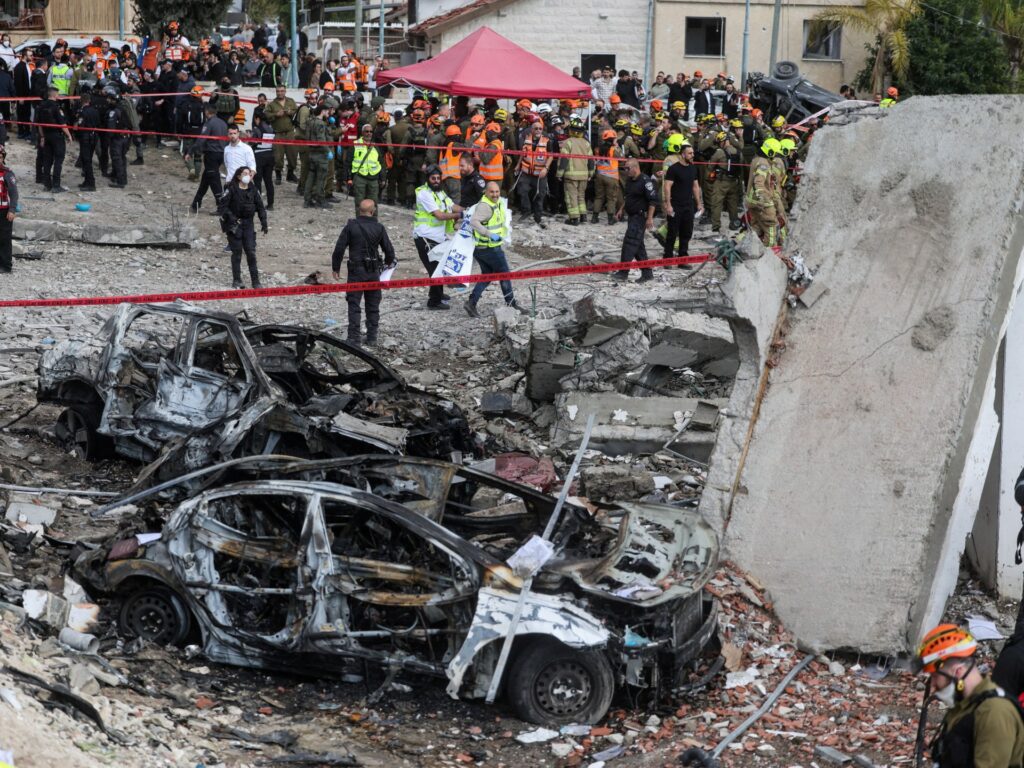
Tehran continues to execute a series of raids targeting US assets in the region, retaliatory actions that have heightened tensions and increased the risk of open conflict. These raids are viewed as Iran’s response to the sustained military pressure from the US and Israel, showcasing the tit-for-tat nature of the confrontations.
The ongoing violence has serious implications for global security and the geopolitical landscape of the Middle East. Experts warn that continued hostilities could destabilize an already volatile region, disrupt global energy supplies, and provoke wider conflicts involving other regional and international powers.
International calls for restraint and renewed dialogue have so far been overshadowed by the hardline positions of both Washington and Tehran. The situation remains tense with the potential for further military actions and unpredictable reactions from all parties involved.
As the conflict unfolds, vigilance and diplomatic efforts will be crucial to preventing a broader war. The international community remains watchful, hoping for de-escalation but preparing for the possibility of intensified confrontations.
This evolving crisis is a critical moment in US-Iranian relations and Middle Eastern geopolitics, highlighting the complexities and dangers of sustained military and political rivalries in the region.