Europe is witnessing its largest conflict since World War II with Russia’s devastating invasion of Ukraine, and the ramifications of this war are extending far beyond its borders. The conflict has notably altered the nature of modern warfare, influencing strategies and military technologies globally, including those in the Middle East.
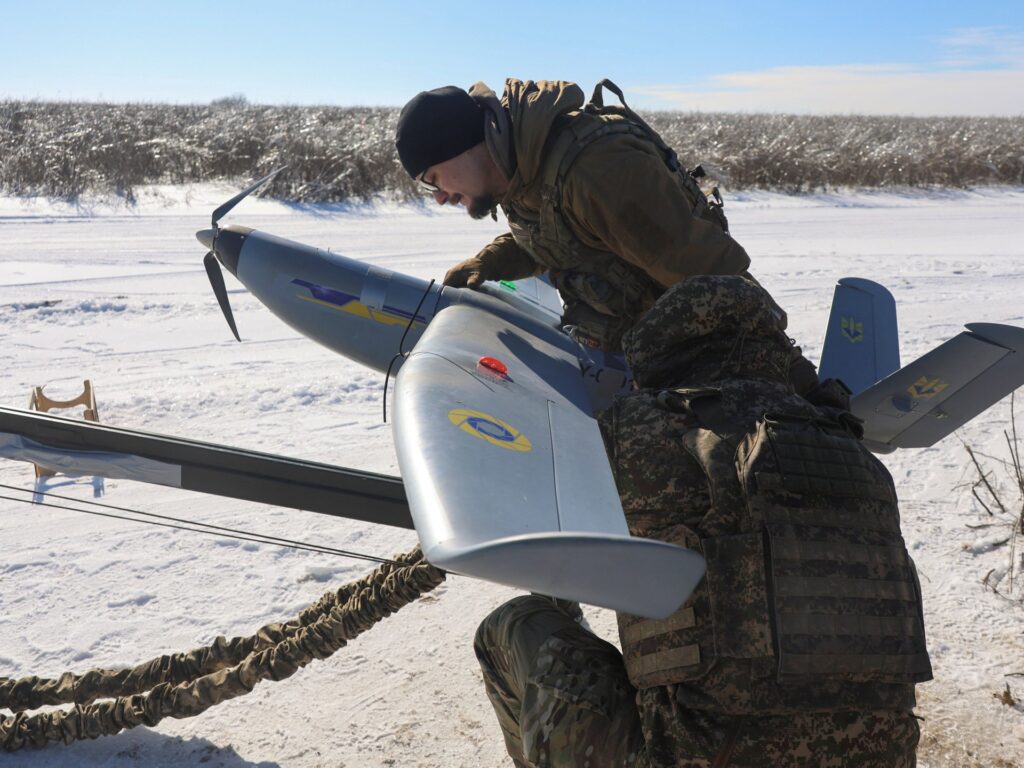
One significant development is Ukraine’s emerging role in countering drone technology supplied by Iran, which has become a critical factor in the ongoing conflicts in the region. Tehran’s drones, widely deployed in various Middle Eastern theaters, have posed a substantial challenge to the armies and militias engaged in these conflicts.
Ukraine, having gained extensive experience in defending against drone warfare during its conflict with Russia, is now leveraging this expertise to assist Middle Eastern countries struggling with Iran’s drone threats. Ukrainian specialists have developed effective tactics and technologies that have significantly increased their ability to detect, intercept, and neutralize these unmanned aerial threats.
This transfer of knowledge marks a pivotal shift in global military cooperation and strategy. It underscores the interconnectivity of contemporary conflicts, where localized warfare can have ripple effects on geopolitical landscapes worldwide.
The Russia-Ukraine war has acted as a live laboratory for modern combat techniques, where electronic warfare, cyber defense, and drone countermeasures have taken precedence. The experiences from Ukraine are now informing military doctrines far beyond Europe, helping reshape the playbook for conflicts in the Middle East and elsewhere.
Iran’s drone programs, which have been intensively developed as part of the country’s asymmetrical warfare strategy, have evolved substantially over recent years. Their extensive use in Syria, Iraq, Yemen, and beyond has demonstrated the growing importance of unmanned systems in modern combat.
Ukraine’s support to Middle Eastern forces mitigates the threat posed by Iranian drones, potentially stabilizing some areas affected by drone warfare. It exemplifies a practical example of how conflicts can generate new military paradigms that cross traditional regional boundaries.
Moreover, this cooperation is likely to deepen as Middle Eastern combatants seek to integrate more sophisticated aerial defense capabilities, drawing from Ukraine’s firsthand experience. This development also signals a broader trend of knowledge and technology transfer that rewrites how nations prepare for and engage in war.
In summary, the ongoing conflict in Ukraine is not only a European crisis but a formative event reshaping military strategies worldwide. The involvement of Ukraine in assisting Middle East countries against Iran’s drone menace highlights the complex ramifications of this war and the new dynamics of modern warfare it brings to the global stage.