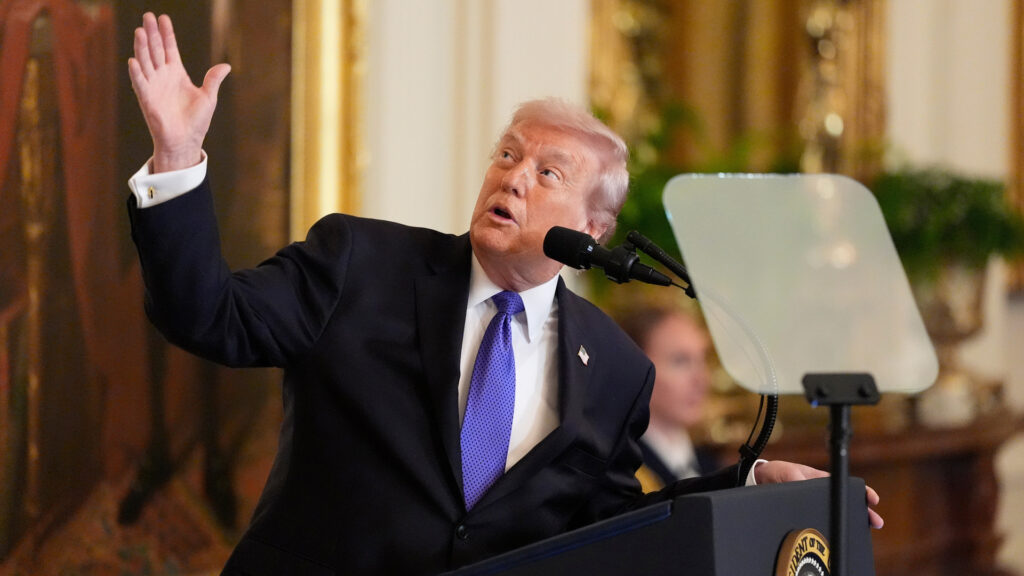
In a significant development marking a new chapter of tension in the Middle East, US President Donald Trump has articulated the rationale behind the recent US-Israeli military action against Iran. Trump’s statement characterized the operation as the “best chance” to strike what he described as Iran’s “sick and sinister regime,” underscoring the high stakes involved in the confrontation.
The attack, carried out in coordination between the United States and Israel, was aimed at curbing Iran’s influence and military capabilities in the region. According to Trump, the move was intended to disrupt Tehran’s disruptive activities that have long been a source of instability.
President Trump emphasized that Iran poses a significant threat not only to the Middle East but to global security. The “sick and sinister regime,” as he referred to Iran’s leadership, has been accused of supporting terrorism, developing nuclear weapons programs, and undermining peace efforts.
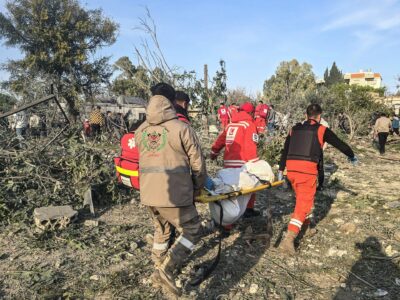
The US-Israeli strike targeted key military installations and infrastructure linked to Iran’s strategic operations. The operation was meticulously planned to minimize civilian casualties and avoid a wider escalation while delivering a potent message to the Iranian leadership.
Trump justified the timing of the attack as an opportune moment to dismantle Iran’s aggressive posture. “This was our best chance to act decisively,” he noted in his public remarks, pointing to intelligence and diplomatic factors that influenced the decision.
The president’s comments have drawn mixed reactions globally. Supporters praise his assertive stance against a regime they view as a destabilizing force, while critics warn of the risks of escalation into broader conflict.
The international community watches closely as the implications of the strike unfold. Discussions are ongoing regarding the potential for renewed diplomatic efforts versus continued military engagement.
This development is likely to redefine diplomatic relations and security dynamics in the Middle East, with far-reaching consequences for regional and world stability.
As tensions remain high, the coming days will be critical in determining the pathway forward and the prospects for peace or further conflict in a volatile region.