The recent military operation executed by the United States against Iran marked a pivotal moment underscored by rapid and decisive action. General Dan Caine, Chairman of the Joint Chiefs of Staff, has provided an in-depth account of the strategic approach and execution behind this significant attack.
At the heart of the operation were three guiding principles: speed, surprise, and violence of action. These elements were carefully coordinated to achieve swift and overwhelming impact, minimizing prolonged conflict and reducing potential casualties.
Speed was critical in the planning and deployment phases. Forces were mobilized rapidly, with a focus on precise timing to ensure that the element of surprise would be retained. The operation was launched before Iranian forces could mount a defensive response or evacuate strategic assets.
Surprise played a pivotal role. American forces utilized advanced intelligence and reconnaissance to identify key targets and vulnerabilities within Iranian defenses. The surprise element not only disrupted enemy command and control but also sowed confusion and disarray among Iranian forces, which greatly aided the effectiveness of the strikes.
Violence of action was exhibited through relentless and focused attacks designed to incapacitate Iran’s military capabilities decisively. Precision strikes targeted critical infrastructure and military installations, aiming to degrade Iran’s operational capacity significantly.
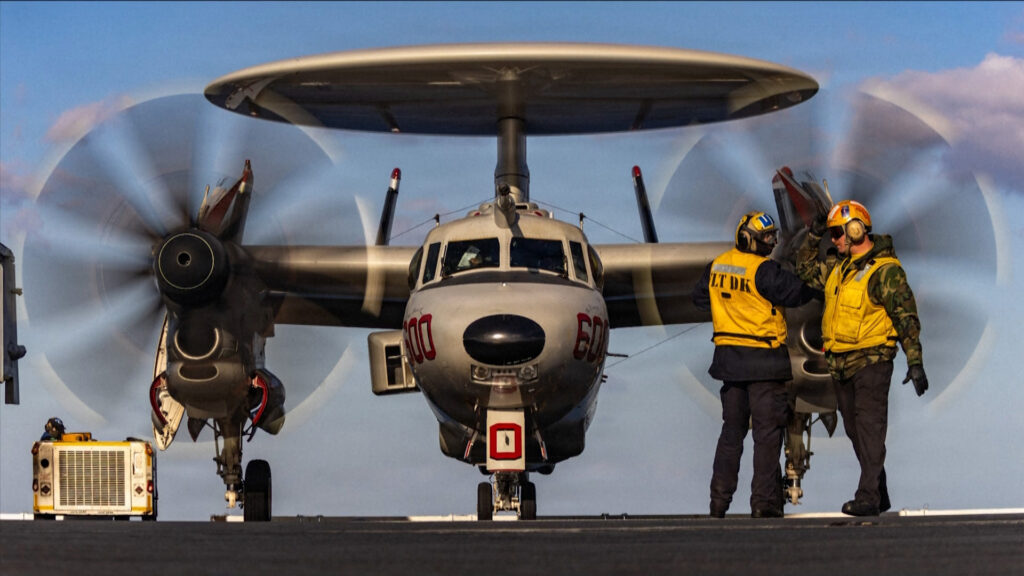
General Caine highlighted the coordination among multiple branches of the US military, including air, land, and naval forces, to deliver a unified and potent offensive. The operation exemplified joint-force synergy, leveraging technology, intelligence, and tactical prowess.
The strategic objectives were clear: to deter further aggression, protect US interests and allies in the region, and convey a message of resolve. The effectiveness of the strike has been a topic of analysis within military circles, emphasizing the importance of integrated planning and execution in modern warfare.
The operation also demonstrated the capability and readiness of US forces to engage quickly and with overwhelming force when required. This ability to project power and precision in response to threats is a cornerstone of US defense strategy.
Attention now turns to the geopolitical implications and potential responses. The attack signals a firm stance by the US in the volatile Middle East region, underscoring the willingness to act decisively against perceived threats.
In summary, the US attack on Iran, as described by General Dan Caine, was a model of military efficiency characterized by speed, surprise, and violence of action. This operation not only achieved its tactical goals but also reaffirmed US military doctrine and strategic resolve in addressing complex international security challenges.