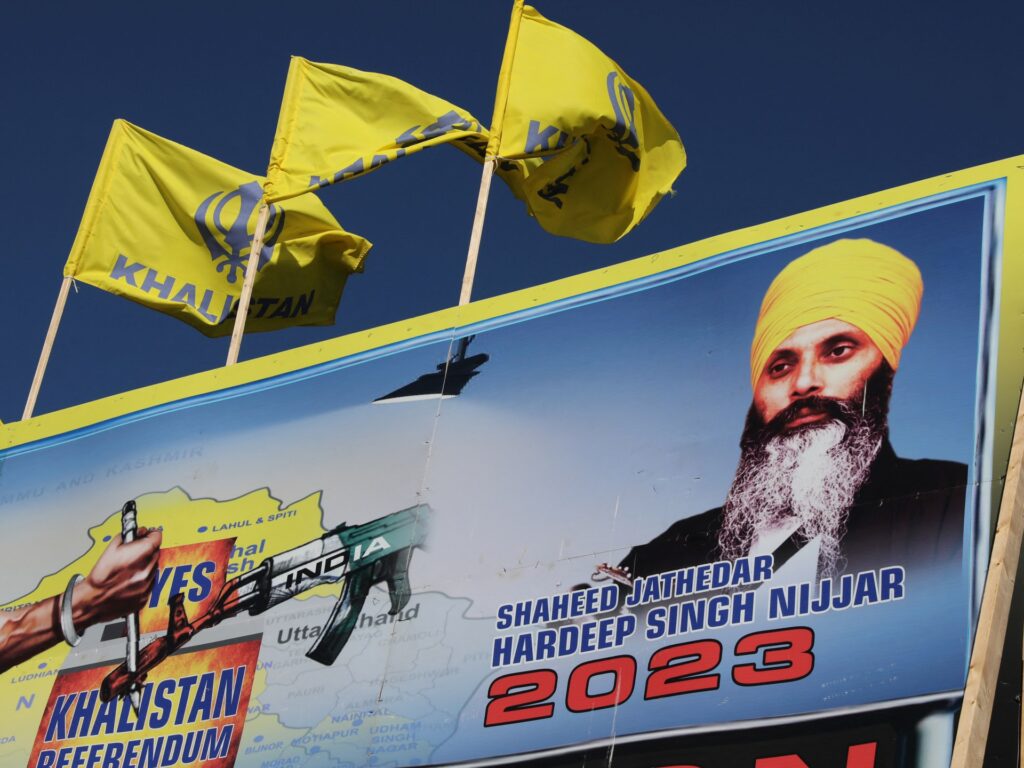
A prominent Sikh group in Canada has strongly criticized the Indian government after a recent investigative report by the Globe and Mail alleged that Indian consular officials in Vancouver were involved in the assassination of Hardeep Singh Nijjar, a Sikh activist, in 2023. The report has added significant tension to the already strained relations between Canada and India, sparking accusations, diplomatic protests, and calls for further investigation.
Hardeep Singh Nijjar was a known Sikh activist who had been advocating for Sikh rights and raising awareness about various issues affecting the Sikh community. His killing in 2023 was shrouded in mystery, but the Globe and Mail’s investigation claims to have uncovered evidence linking Indian officials based in Vancouver to the assassination. This revelation has shocked many within the Sikh diaspora and beyond.
The Sikh group condemned the alleged involvement of Indian consular officials, labeling it as a serious breach of international norms and a violation of Canadian sovereignty. They accused India of orchestrating violence on foreign soil to silence dissent and control diaspora communities who have been vocal critics of the Indian government.
Diplomatic repercussions between Canada and India have been swift. The Canadian government has expressed deep concern over the allegations and has reportedly initiated a thorough investigation to verify the claims. Meanwhile, India has denied all involvement, calling the report baseless and politically motivated. This denial has done little to assuage fears among Sikh Canadians and human rights advocates.
The Sikh community in Canada, which has a significant population, views the incident as part of a broader campaign targeting activists and dissidents. The group is calling for international attention and support to ensure justice for Nijjar and to prevent such incidents in the future. They argue that accountability and transparency are critical for maintaining peace and protecting political freedoms within diaspora communities.
International reactions have also begun to surface, with human rights organizations urging both nations to uphold principles of justice and diplomatic respect. The case has become a symbol of larger geopolitical tensions involving diaspora engagement, national security, and freedom of expression.
This development has opened a complex dialogue about the rights and protections of activists living abroad, the role of consular officials, and the responsibilities of states in respecting international law. It raises urgent questions about the balance between combating terrorism and respecting human rights.
As investigations continue, the Sikh group remains resolute in its demand for answers and justice. The incident underscores the delicate nature of international relations involving diaspora communities and highlights the need for vigilance against extrajudicial actions on foreign soil.
The story of Hardeep Singh Nijjar and the allegations against Indian officials represent a critical moment for Canada, India, and the global Sikh community. It challenges governments to address issues of accountability transparently and to safeguard the rights of activists worldwide, ensuring that political violence is never tolerated.
In summary, the Sikh group’s condemnation following the Globe and Mail report marks a pivotal point in understanding the complexities of international diplomacy, diaspora activism, and state behavior in the modern world. The matter continues to evolve, with hopes for justice and peaceful resolution at its core.