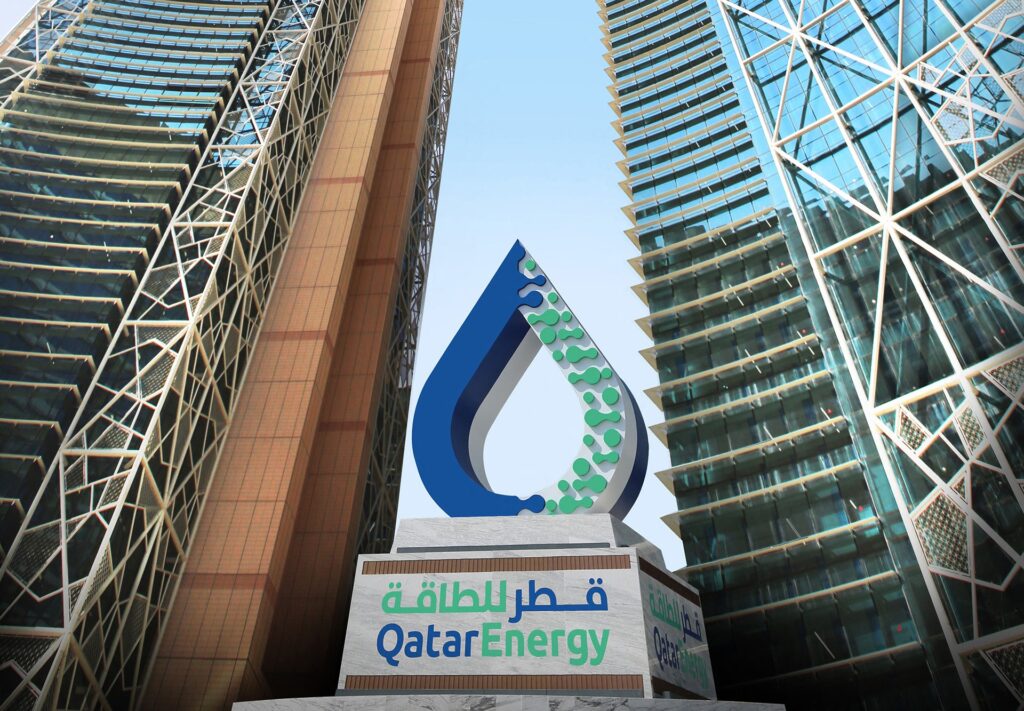
QatarEnergy, the world’s largest liquefied natural gas (LNG) producer, has announced a halt in its LNG production in response to recent attacks attributed to Iran. This development adds to the growing tension and instability in the Gulf region’s energy sector.
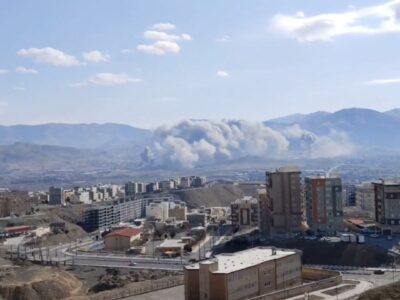
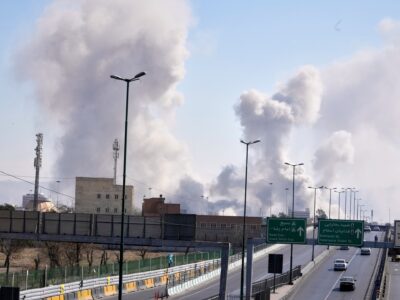
The decision to suspend production follows a series of drone attacks that have escalated geopolitical risks across the Middle East. In a related incident, Saudi Arabia declared the temporary closure of one of its largest oil facilities after it was targeted by similar drone strikes. These events have raised concerns about the security of critical energy infrastructure in the region.
QatarEnergy’s halt in LNG production is a significant disruption given its position as the leading global LNG supplier. The company plays a crucial role in meeting global energy demands, and its operations are pivotal in stabilizing global energy markets, especially amid the wider energy crisis.
The attacks underscore growing regional tensions and the vulnerability of energy assets to violence and geopolitical strife. Iran’s involvement in such attacks reflects ongoing conflicts and proxy engagements in the Middle East, affecting not only regional but global energy supplies.
Saudi Arabia’s response to close one of its major oil facilities temporarily will likely impact oil output and contribute to further volatility in oil prices. The region is a key supplier to the global oil and gas markets, and any disruption typically triggers ripple effects in energy prices worldwide.
Energy security has become a focal point for countries reliant on Middle Eastern oil and LNG, pushing some nations to reevaluate their energy strategies and accelerate diversification efforts. The halt in QatarEnergy’s production may prompt buyers to seek alternative supplies, potentially increasing competition and market instability.
International responses to the attacks have called for restraint and the protection of critical infrastructure to prevent further escalations. The situation remains fluid, with the potential for additional impacts on energy supply chains if conflicts persist.
Experts warn of possible supply shortages and heightened market anxiety if the disruption extends or spreads to other key facilities. The Gulf region’s energy sector is at a critical juncture, balancing geopolitical risks with the imperative to maintain steady energy flows to the global market.
In summary, the recent attacks on energy infrastructure by Iran and the resultant production halt by QatarEnergy represent a significant challenge for global energy stability. The developments highlight the intricate link between geopolitical security and energy markets, emphasizing the need for ongoing vigilance and international cooperation to safeguard critical resources.