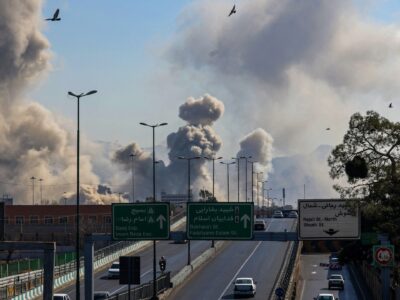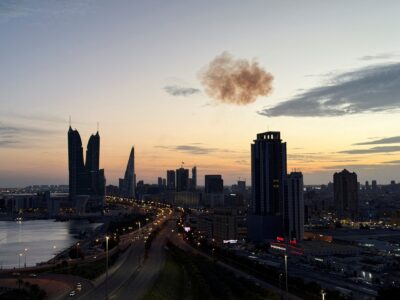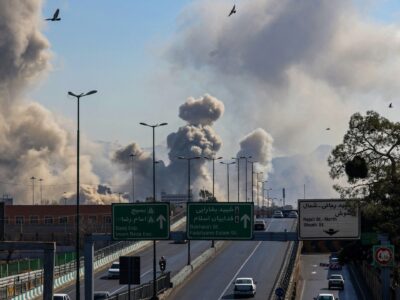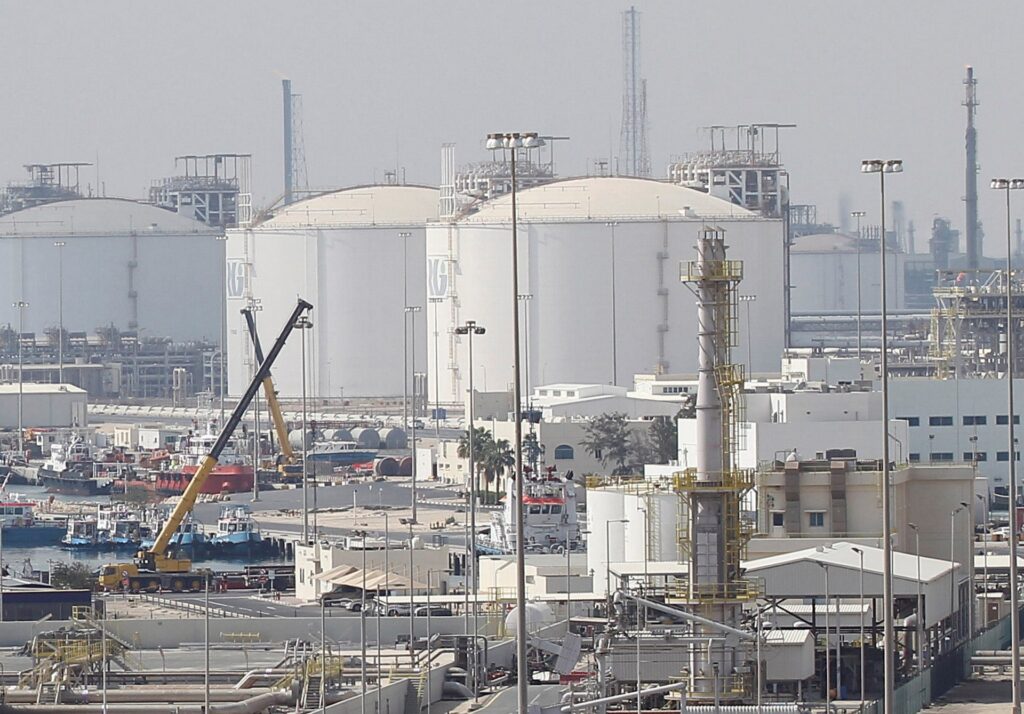
Qatar has announced a temporary halt in its liquid natural gas (LNG) production due to recent attacks by Iran on critical energy facilities. The attacks have severely impacted Qatar’s ability to maintain its gas output, leading to significant disruptions in the supply of LNG, a vital energy source globally.
The hostile actions targeted key infrastructure, raising concerns about regional stability and the security of energy supplies. Qatar, one of the world’s leading LNG exporters, plays a crucial role in meeting the international demand for natural gas. This cessation in production is expected to affect global LNG markets and may lead to increased prices amid supply uncertainties.
Experts suggest that the attacks are part of escalating geopolitical tensions in the Gulf region, with Iran asserting its influence through aggressive measures against energy assets. The move has drawn widespread condemnation and calls for diplomatic interventions to prevent further disruptions.
Qatar’s government has emphasized its commitment to restoring production as soon as possible, coordinating with international partners to repair the damaged facilities and enhance security measures. Energy analysts highlight that the incident underscores the vulnerability of critical energy infrastructure to geopolitical conflicts and the need for robust protective strategies.
The global community is closely monitoring the situation, given that Qatar contributes significantly to the energy mix of many countries. The interruption in LNG exports could have ripple effects on energy prices and supply chains worldwide.
In response to the attacks, Qatar has sought support from allies and international organizations to ensure the resilience and security of its energy sector. The nation also urges peaceful resolution of the tensions to stabilize the region and secure the flow of energy resources.
The current crisis serves as a stark reminder of the interconnected nature of energy security and international relations. It highlights the importance of safeguarding energy infrastructure against conflicts and the collective efforts required to maintain stability in the global energy market.