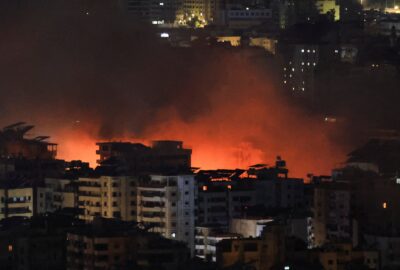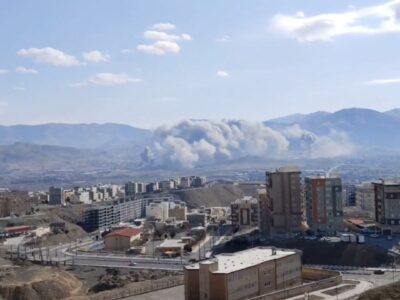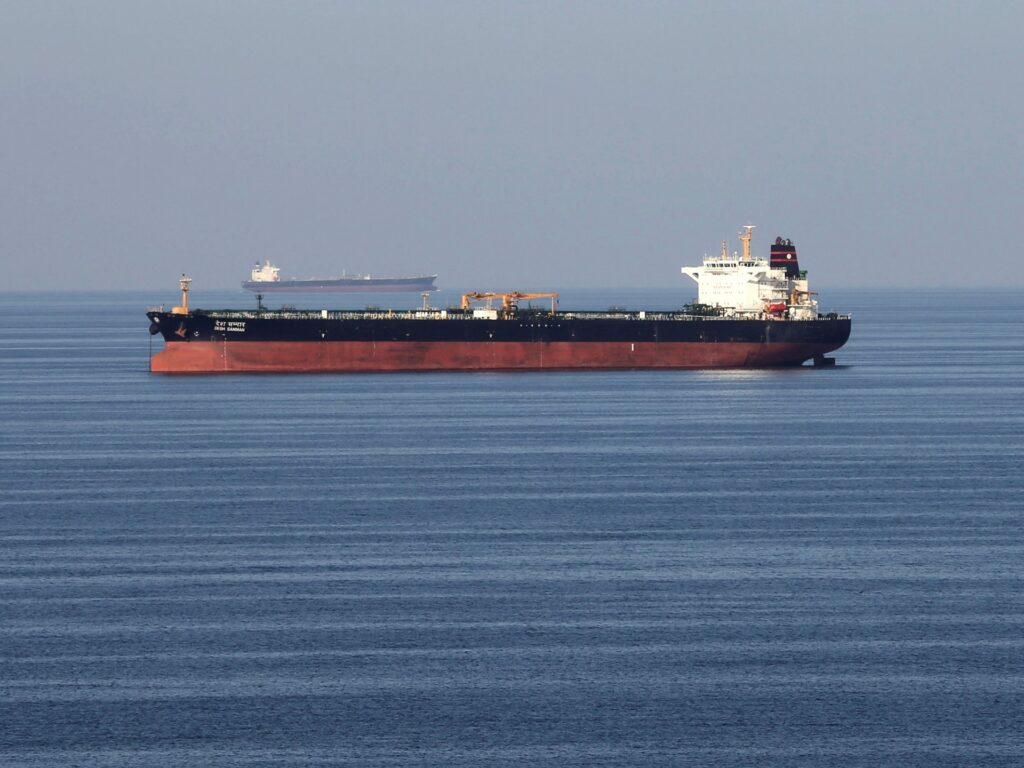
Oil prices experienced a significant surge following coordinated attacks by the United States and Israel on Iranian targets. Brent crude oil futures rose by 9 percent, reflecting heightened concerns over potential disruptions in supply amid escalating geopolitical tensions in the Middle East. The attacks mark a severe escalation in hostilities involving Iran, a major oil-producing country, causing unease in global energy markets.
The increase in oil prices is a direct response to fears that continued military actions could hinder Iran’s oil production and export capabilities. US President Donald Trump warned that these strikes might continue for several weeks, signaling a prolonged period of instability in a region crucial to the world’s energy supply.
Iran plays a pivotal role in the global oil market, and any disruption in its exports often leads to volatility in prices. Market analysts say the latest surge is driven not only by disrupted supply concerns but also by potential retaliatory measures by Iran, which could further destabilize oil shipping routes such as the Strait of Hormuz—a vital artery for global oil transport.
The escalation comes amid already tight oil markets, where supply constraints due to geopolitical issues or production limits by oil-producing countries frequently lead to price hikes. The current situation underscores the fragility of global oil supplies and the sensitivity of markets to geopolitical events in the Middle East.
Investors and industry experts are closely monitoring the situation for further developments that could impact oil production and distribution worldwide. The surge in oil prices has immediate implications for energy costs, influencing everything from gasoline prices for consumers to operational costs for industries dependent on oil.
This development adds to the broader geopolitical complexities involving the US and its allies, and Iran’s role in regional security dynamics. It highlights the interconnectedness of global politics and energy markets, where military conflicts can quickly translate into economic ramifications with wide-reaching impacts.
In summary, the sharp rise in oil prices after the US and Israeli attacks on Iran reflects growing supply concerns amid a volatile political landscape. With President Trump indicating the possibility of prolonged strikes, the energy sector faces an uncertain future marked by potential instability in one of the world’s most critical oil-producing regions.