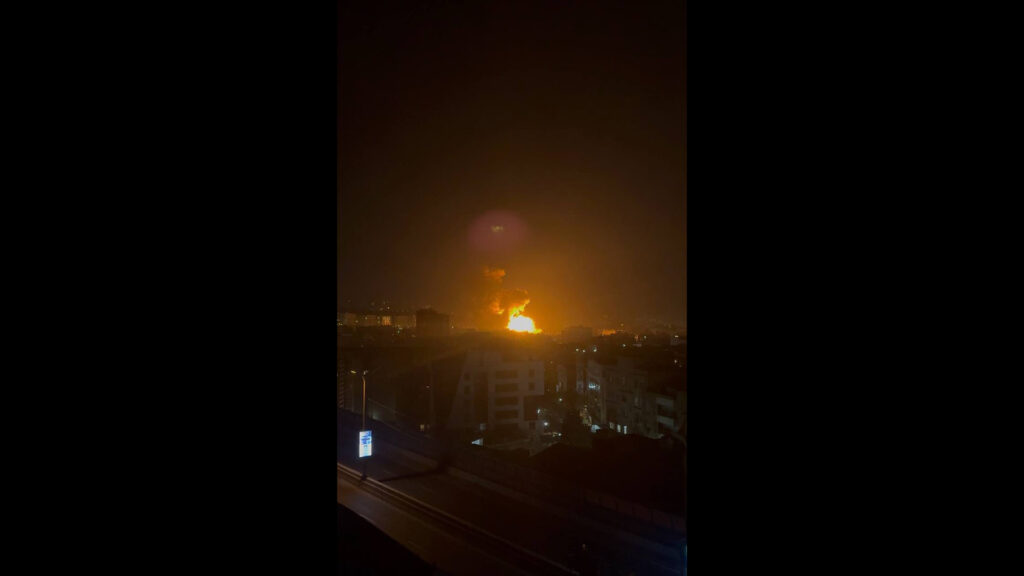
A new wave of heavy Israeli air strikes has recently targeted multiple locations across Tehran, escalating tensions in the region. These strikes mark a significant development in the ongoing conflict, drawing international attention and concern.
The air strikes, carried out by the Israeli military, were aimed at several key sites in Tehran, the capital city of Iran. Although official Israeli sources have not specified the exact targets, local reports indicate damage to both military and infrastructural sites.
This aggressive military action represents one of the most intense rounds of strikes seen in Tehran in recent times. The strikes began in the early hours and continued sporadically, causing widespread disruption and alarm among the local population.
Iranian authorities have condemned the attacks, vowing to respond firmly to protect their sovereignty and citizens. The Iranian government declared that these strikes were a violation of international law and an act of aggression that threatens regional stability.
Internationally, the strikes have sparked varied responses. Some nations have called for restraint and dialogue to prevent further escalation, while others have expressed support for Israel’s right to defend itself against threats.
The geopolitical implications of these strikes are substantial. Tehran, as a political and military hub, holds critical strategic importance. The impact of the air strikes could influence Iran’s military capabilities, potentially affecting the balance of power in the Middle East.
Historically, Israeli air strikes have targeted strategic Iranian assets, particularly related to nuclear facilities and weapons development programs. The recent wave of strikes seems to follow this pattern, indicating a continued focus on undermining Iran’s military infrastructure.
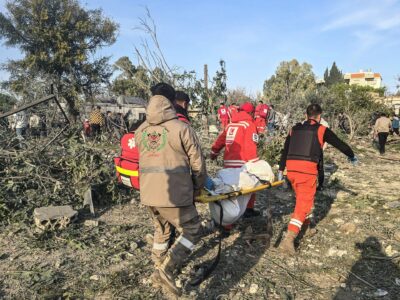
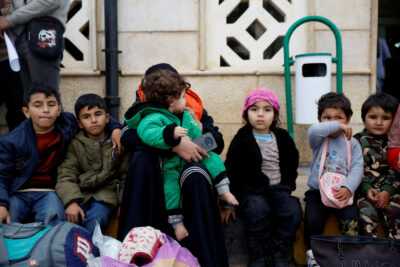
The local civilian population faces significant risks amid these military operations. Reports have emerged of casualties, infrastructural damage, and disruption of daily life, raising humanitarian concerns.
In response to the air raids, Iranian defense forces have reportedly increased their alert level, with heightened defense readiness throughout the country. Anti-aircraft systems have been deployed, and military drills intensified to prepare for potential further attacks.
Global powers are closely monitoring the situation, urging both Israel and Iran to avoid actions that could spiral into an open conflict. Diplomatic channels are active, with efforts underway to de-escalate tensions and promote negotiations.
The international community remains deeply concerned about the risk of a wider regional conflict stemming from these incidents. Analysts warn that continued strikes and retaliations could destabilize the Middle East, affecting economic markets and security worldwide.
The humanitarian impact is also significant, with relief organizations preparing to assist affected populations in Tehran. Emergency services are working amid challenging conditions to address injuries, displacement, and infrastructure damage.
The recent Israeli strikes on Tehran signify a critical juncture in the fraught relations between Israel and Iran. They underline the ongoing threat of military confrontations in the region and highlight the urgent need for diplomatic solutions to ensure long-term peace and stability.
As the situation develops, it is essential for all parties involved to engage in constructive dialogue and seek peaceful resolutions. Continued escalation could lead to devastating consequences not only for the two nations involved but for the broader international community.
The coming days will be pivotal in determining the trajectory of this conflict. International observers hope for de-escalation and renewed diplomatic efforts to prevent further violence and promote security in the region.