Lebanon is experiencing a significant surge in instability as the ongoing conflict involving Iran extends its reach into the region. The complexities of this spillover have intensified the already fragile political, economic, and security landscape in the country.
At the heart of the turmoil is Hezbollah, the powerful Shiite militant group and political party in Lebanon, which has longstanding ties to Iran. As Iran’s conflict expands, Hezbollah’s involvement and strategic positioning have positioned Lebanon as a critical frontline state in the broader regional power struggle.
The conflict’s spillover has exacerbated sectarian tensions within Lebanon, heightening fears of renewed violence and broader destabilization. Skirmishes, armed confrontations, and political crises have surged, undermining efforts by Lebanese authorities to maintain order and unity.
Zeina Khodr, a seasoned Middle East correspondent, highlights that the Iranian conflict spills over into Lebanon in multiple ways—not just through direct military engagements but also through proxy battles, economic sanctions, and a wave of political polarization. The Lebanese economy, already in freefall, faces further pressure as the turmoil disrupts trade routes, investment, and foreign aid.
Furthermore, the conflict has strained Lebanon’s relations with other regional powers and the international community. Attempts to mediate peace are complicated by competing interests and the broader geopolitical contest between Iran and its adversaries.
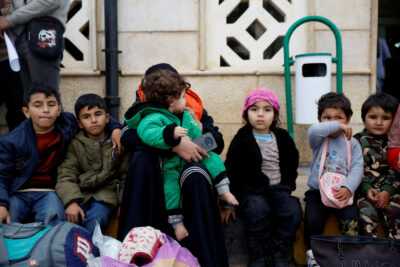
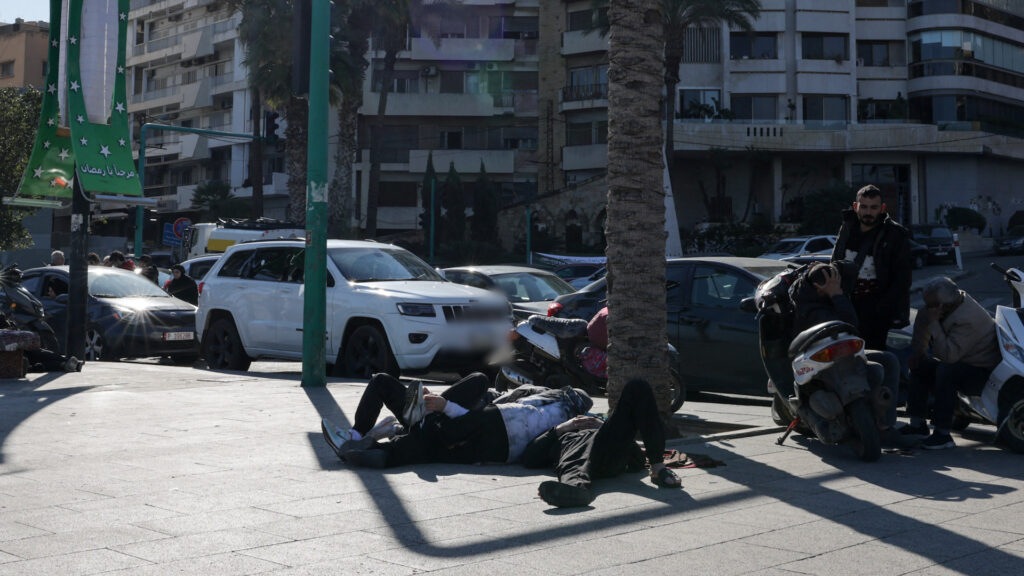
The human cost is severe. Civilians bear the brunt of this destabilization, with many facing insecurity, displacement, and economic hardships. Humanitarian organizations warn of worsening conditions as essential services and infrastructure are threatened by the ongoing unrest.
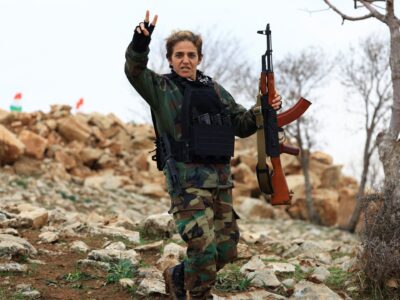
In addition, the security situation has become increasingly perilous, with reports of cross-border incidents and the presence of various armed factions complicating the picture. This volatility risks dragging Lebanon deeper into the conflict, with potentially dire consequences for regional stability.
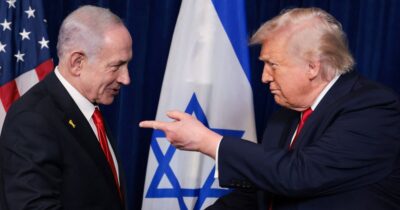
Diplomatic efforts continue, with calls for de-escalation and dialogue to prevent further deterioration. However, the path to peace is fraught with obstacles, as entrenched divisions and external influences hinder meaningful progress.
In summary, Lebanon is caught in a precarious position as the Iran conflict spills over, amplifying domestic vulnerabilities and regional tensions. The situation poses significant challenges to Lebanon’s sovereignty, security, and future, underscoring the urgent need for concerted international attention and support to navigate through this crisis.