Lebanese Prime Minister Nawaf Salam has made a significant announcement banning all military activities carried out by Hezbollah, a powerful and controversial political and militant group in Lebanon. This move comes in response to recent attacks launched by Hezbollah on Israel, which have escalated regional tensions and raised international concerns about stability in the Middle East.
In a bold statement, PM Salam declared that all activities conducted by Hezbollah, particularly those involving military operations, are deemed illegal under Lebanese law. He emphasized the government’s commitment to maintaining Lebanon’s sovereignty and security, and the importance of adhering to the rule of law.
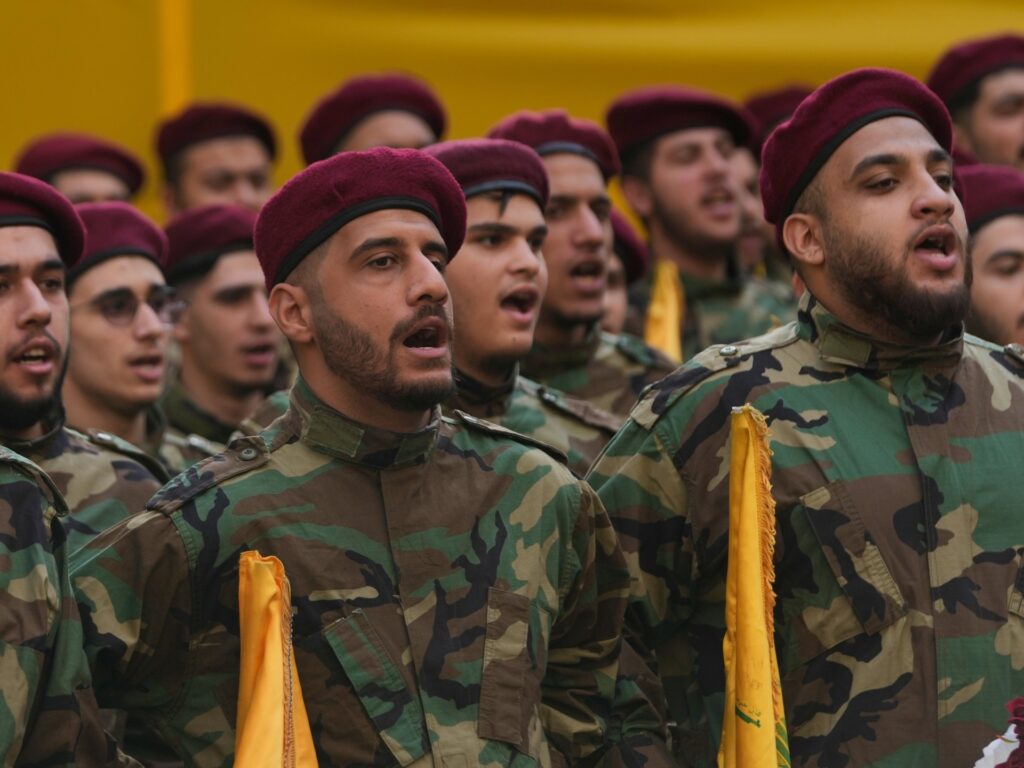
Hezbollah, known for its strong military wing and political influence within Lebanon, has long been involved in conflicts with Israel. The group’s military actions have often drawn condemnation from various international actors and have been a source of internal Lebanese political division.
The Lebanese government’s decision to outlaw Hezbollah’s military operations marks a crucial development in the country’s ongoing efforts to control armed factions and prevent further destabilization. This ban reflects a firm stance against unauthorized military engagements that jeopardize peace and provoke retaliatory actions.
PM Salam’s declaration underscores the government’s intention to uphold Lebanese law over armed group agendas, striving to prevent Lebanon from becoming a battleground for proxy conflicts. It also signals a possible shift in Lebanon’s internal security policies and diplomatic relations, potentially impacting Hezbollah’s role and influence within the country.
The international community has been closely monitoring the situation, with many observers hoping that this step will reduce hostilities and encourage a more peaceful and lawful approach to conflict resolution in Lebanon and the wider region.
As the Lebanese government moves forward with this ban, it faces the challenge of enforcing it effectively against a deeply entrenched and heavily armed organization. The outcome of this decision will likely shape Lebanon’s political landscape and its interactions with neighboring countries for years to come.
In summary, PM Nawaf Salam’s announcement to ban Hezbollah’s military activities represents a decisive move to curtail unauthorized armed actions, reaffirm Lebanese sovereignty, and promote stability in a region fraught with conflict. The world will be watching closely to see how this policy is implemented and its repercussions on Lebanon’s future.