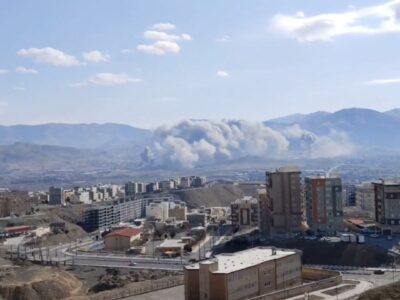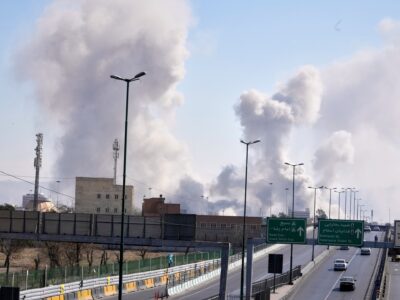
In the aftermath of the June 2025 war with Israel, Iran has notably revised its military strategy, according to defense analysts interviewed by Al Jazeera. This conflict has served as a pivotal moment, prompting Tehran to reassess and recalibrate its defense doctrine and regional military posture.
Historically, Iran’s military strategy emphasized asymmetric warfare, relying heavily on proxy forces, missile capabilities, and cyber warfare to counterbalance the conventional military superiority of its adversaries. The Islamic Revolutionary Guard Corps (IRGC), particularly its Quds Force, played a central role in projecting Iran’s influence across the Middle East through support for groups such as Hezbollah in Lebanon and various militias in Iraq and Syria.
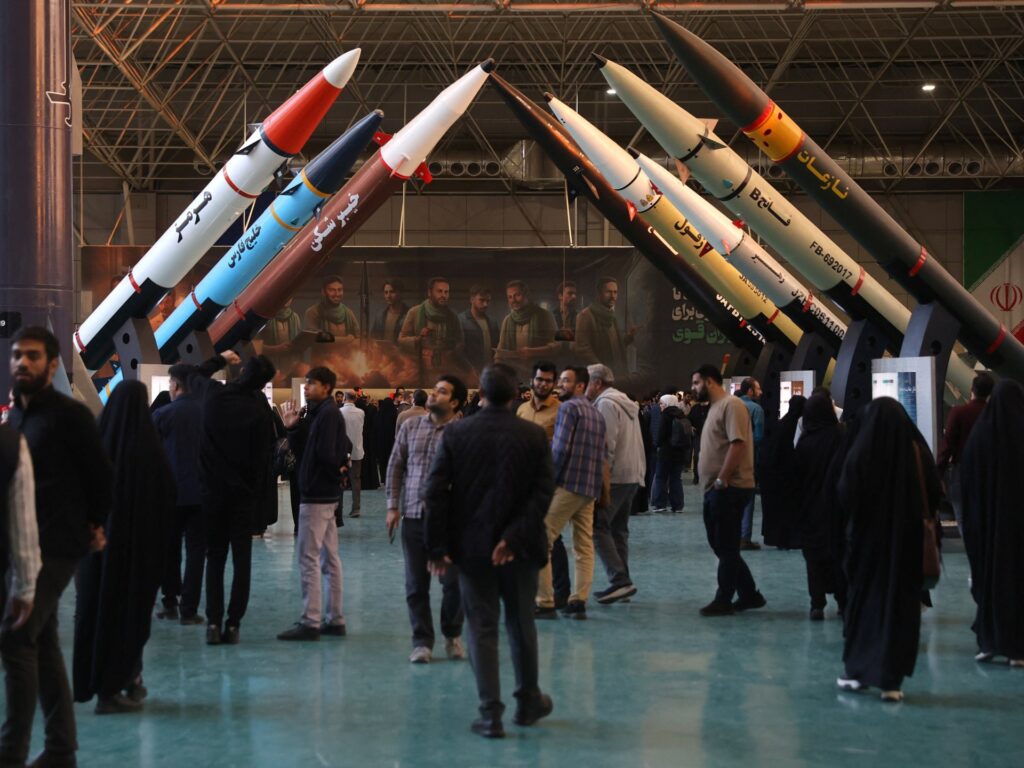
Since the June 2025 war, analysts observe a marked shift towards enhancing missile stockpiles with greater precision and range, coupled with accelerated development of indigenous drone technologies. Iran’s military leadership appears to place greater emphasis on integrated air defense systems designed to protect vital infrastructures and urban centers against aerial assaults.
Moreover, the war underscored vulnerabilities in Iran’s command and control systems, prompting investments in cyber defense and electronic warfare capabilities to safeguard communications and disrupt enemy operations. The integration of artificial intelligence in surveillance and combat operations is also reportedly receiving heightened focus.
Regionally, Iran’s strategic outlook now includes fortified deterrent postures both near its borders and in key maritime chokepoints such as the Strait of Hormuz. Tactics have evolved from reliance solely on proxy warfare to a hybrid approach combining direct military buildup with continued support for allied non-state actors.
Diplomatically, Iran seems to be leveraging its revised military capabilities as a bargaining tool to strengthen its position in ongoing negotiations over nuclear development and regional security arrangements. The enhanced military readiness serves both defensive and strategic deterrence objectives against Israeli and US interests.
Overall, Iran’s post-2025 military strategy reflects a nuanced balance between conventional and unconventional warfare, prioritizing self-reliance, technological innovation, and multi-theater operational readiness. This evolution indicates Tehran’s intent to remain a formidable force capable of influencing the geopolitical landscape amid ongoing regional tensions.