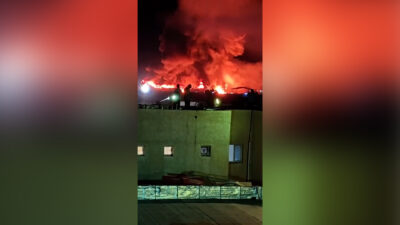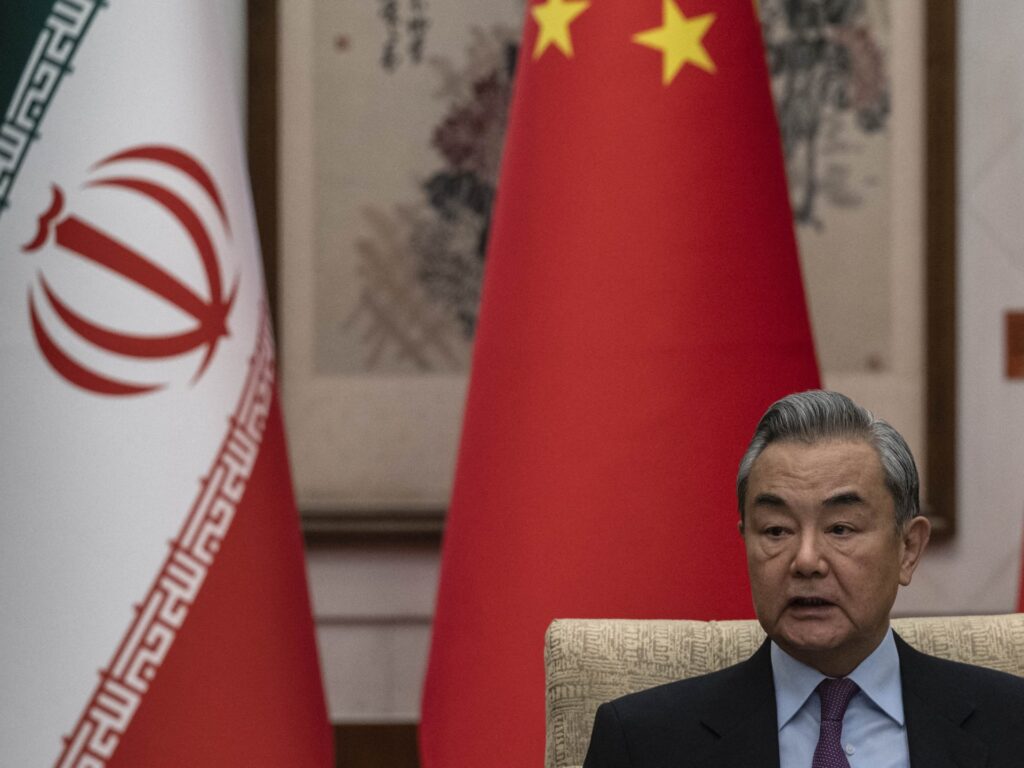
Iranian Foreign Minister Abbas Araghchi has stated that Iran will do its utmost to protect Chinese citizens amid recent attacks involving the United States and Israel. Araghchi’s announcement came during recent phone conversations with China’s Foreign Minister Wang Yi, reflecting Tehran’s commitment to safeguarding foreign nationals in Iran during this tense period. The backdrop to these assurances is escalating tension in the region, where Iran has faced attacks reportedly linked to US and Israeli operations. China’s interests in Iran are significant, both politically and economically, as Beijing continues to deepen ties with Tehran through strategic partnerships and projects such as the Iran-China 25-year cooperation agreement. The Iranian Foreign Ministry emphasized that it views the security of all foreign nationals on its soil as a top priority, especially amid the current geopolitical climate. Wang Yi responded by expressing gratitude for Iran’s commitment and reiterated the importance of stability and peace in the region for mutual benefit. This development highlights the increasing geopolitical complexities in the Middle East, where multiple international actors are involved. The US and Israel have intensified their campaigns against what they consider threats emanating from Iran, which Tehran strongly condemns. Iran has repeatedly warned these nations against aggression while affirming its right to defend itself. The coordination between Tehran and Beijing signifies a united front to counterbalance pressures from Western and allied forces. The call between Araghchi and Wang Yi also touched upon broader issues of bilateral cooperation, economic resilience, and regional security frameworks. This diplomatic engagement underscores the significance of safeguarding citizens abroad in times of conflict. Iran’s pledge to protect Chinese nationals serves not only as a reassurance for Beijing but also as a message about Iran’s broader international responsibilities and its stance on sovereignty and security. Experts note that the cooperation between Iran and China is likely to become more pronounced as both countries face increasing scrutiny and opposition from Western powers. Meanwhile, the region remains volatile, with ongoing military and intelligence maneuvers by multiple actors complicating the security landscape. This promise by Iran could also be seen as part of a strategic effort to strengthen diplomatic ties and highlight Iran’s role as a responsible partner in international relations despite the challenges it faces. Analysts suggest that Iran’s approach could influence how other countries with citizens in the region respond amid heightened tensions. Protecting foreign nationals is an integral part of Iran’s effort to maintain stability and prevent further escalation. The assurance given to China also reflects Iran’s recognition of China’s growing influence and its strategic interests in maintaining favorable relations. This development is part of a larger pattern of Iran reinforcing its alliances to withstand external pressures while managing internal and regional conflicts. Tehran’s proactive stance could potentially improve its diplomatic standing and foster greater cooperation with global partners seeking peace and stability in the Middle East. The situation remains fluid, and continued diplomatic dialogue between Iran and China will be crucial as events unfold. Both nations appear committed to dialogue as a means to ensure safety and protect their respective national interests amid a challenging international environment. In summary, Iran’s guarantee to protect Chinese citizens amid US-Israel attacks underscores the complex geopolitical realities in the region and highlights the deepening Iran-China partnership shaped by mutual interests and strategic calculations.