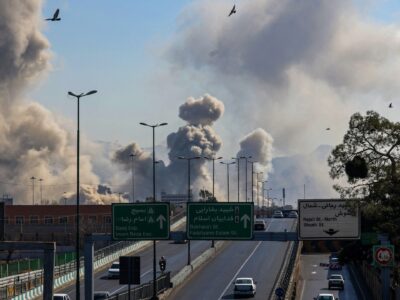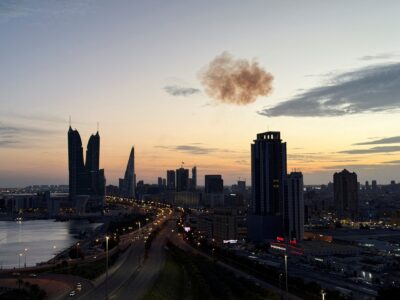
Gas prices have experienced a significant surge following the announcement that QatarEnergy has halted its liquefied natural gas (LNG) production. This disruption comes in the wake of a series of violent attacks targeting energy infrastructure across the Middle East, notably involving an assault attributed to Iran.
The geopolitical tensions escalated recently when Saudi Arabia declared the temporary shutdown of one of its largest oil production facilities. This closure was necessitated by drone attacks aimed at destabilizing the oil supply chain. The facility in question is a key component of Saudi Arabia’s oil export capacity, and its temporary inoperability has exacerbated concerns over global energy stability.
QatarEnergy’s decision to pause LNG operations is directly linked to the heightened risk to energy infrastructure amid the ongoing conflict. As a leading supplier of LNG globally, any reduction in output from Qatar significantly impacts global energy markets, driving prices upward.
Market analysts are closely monitoring the situation, with many expecting continued volatility in energy prices as the region grapples with the repercussions of these attacks. The disruption has prompted concerns over supply security, especially at a time when the demand for energy remains high due to global economic recoveries following the pandemic.
Energy importers around the world are facing increased costs, which could ripple through economies, affecting industries and consumers alike. Governments are being urged to consider strategic reserves and alternative energy sources to mitigate the impact of these supply shocks.
The Middle East, already a region of complex geopolitical dynamics, has once again become the focal point of international attention due to these recent events. Analysts note that the attacks could be part of a broader strategy in the ongoing regional conflicts, emphasizing the critical role the region plays in global energy markets.
Efforts for diplomatic solutions are underway, with international stakeholders calling for restraint and the protection of critical energy infrastructure. Meanwhile, the global energy market remains on edge, awaiting further developments that could either stabilize or further unsettle the supply-demand balance.
As the situation evolves, the focus remains on ensuring energy security and preventing further escalation that could have far-reaching economic and geopolitical consequences. The coming weeks will be pivotal in determining the trajectory of energy prices and the stability of supplies from the Middle East.