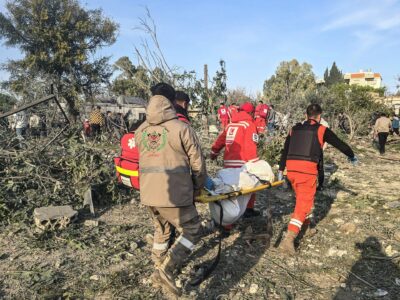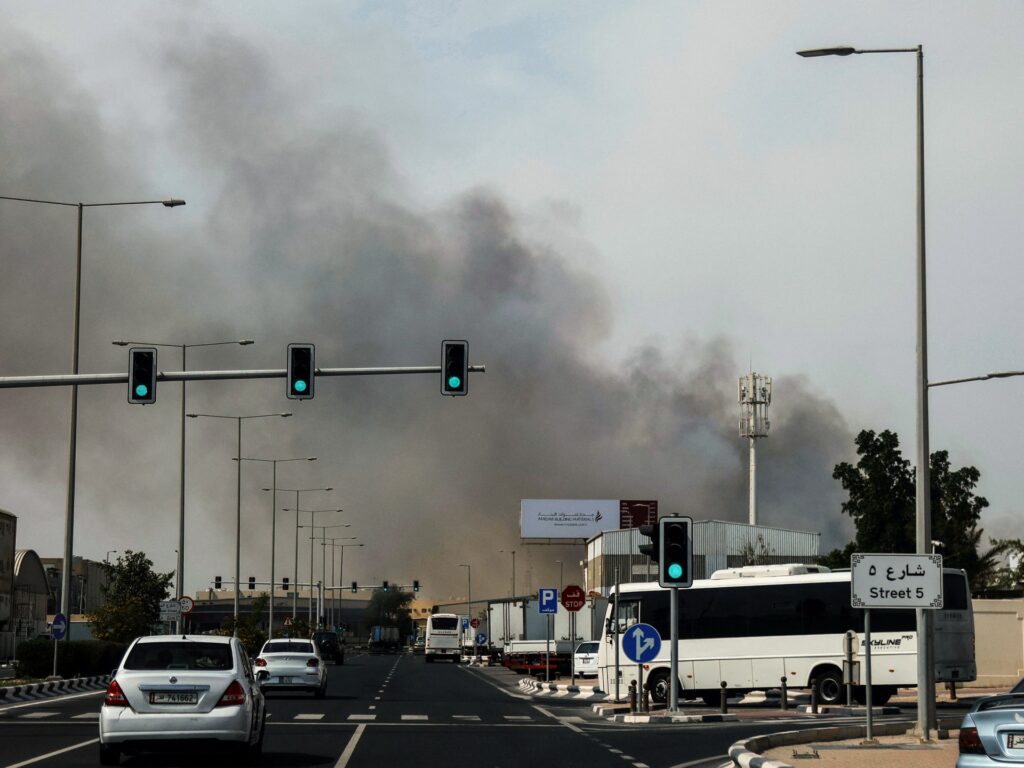
For a third consecutive day, Iran’s retaliatory strikes have triggered a series of explosions across key locations in Qatar, the United Arab Emirates (UAE), and Kuwait, escalating tensions in the sensitive Gulf region. These attacks are part of Iran’s ongoing response to perceived threats and previous assaults on its assets, primarily targeting US interests and allies in the area.
The latest blasts have been reported in strategic urban centers and near vital energy infrastructure, causing widespread alarm and prompting urgent security measures by the affected countries. Governments in Qatar, UAE, and Kuwait have confirmed the incidents, highlighting an increase in the threat level and urging their populations to stay vigilant.
The explosions underline the fragile security situation in the Gulf, where longstanding geopolitical rivalries and military confrontations have frequently erupted into open conflict. Iran’s campaign of retaliatory strikes is seen as a direct challenge to US presence in the region and an assertion of Iran’s resolve to protect its strategic interests.
Officials have warned of the potential for a prolonged conflict, with the risk of escalation becoming increasingly apparent as the strikes continue unabated. International observers and regional powers are calling for de-escalation and diplomatic engagement to prevent the situation from spiraling out of control.
The US and its allies in the Gulf Cooperation Council (GCC) have condemned the attacks and pledged to strengthen their defensive capabilities. Calls for a coordinated response and increased intelligence sharing have been made to counter further aggression.
In the background, the ongoing conflict is impacting global energy markets, with crude oil prices experiencing volatility due to fears of supply disruptions. The Gulf remains a critical corridor for energy exports, and any instability poses a significant risk to global economic stability.
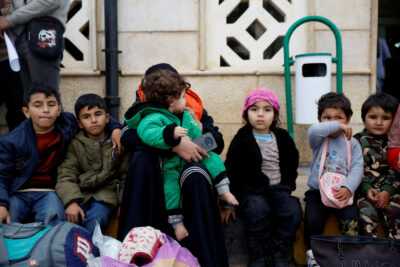
Humanitarian concerns are also mounting as residents in affected areas face displacement and disruption of everyday life. Emergency services and relief organizations are on high alert, preparing for potential escalations.
Analysts suggest that the situation in the Gulf could become a focal point of broader international contention, involving multiple stakeholders with varying interests. Diplomatic efforts are underway behind the scenes, but so far, no breakthrough has been achieved.
As the retaliatory strikes persist, residents and governments in Qatar, UAE, and Kuwait brace for an uncertain and potentially volatile future. The international community watches closely, hoping for a peaceful resolution to a crisis that threatens regional and global security.