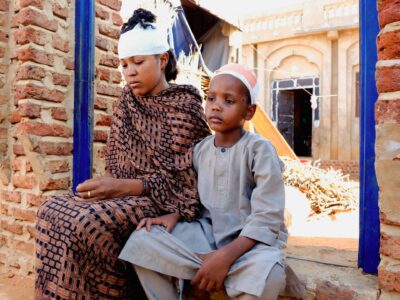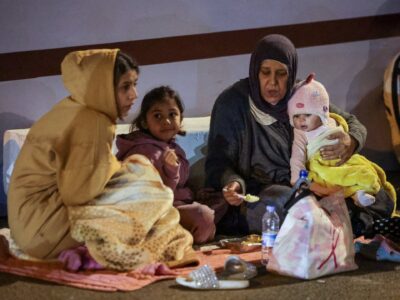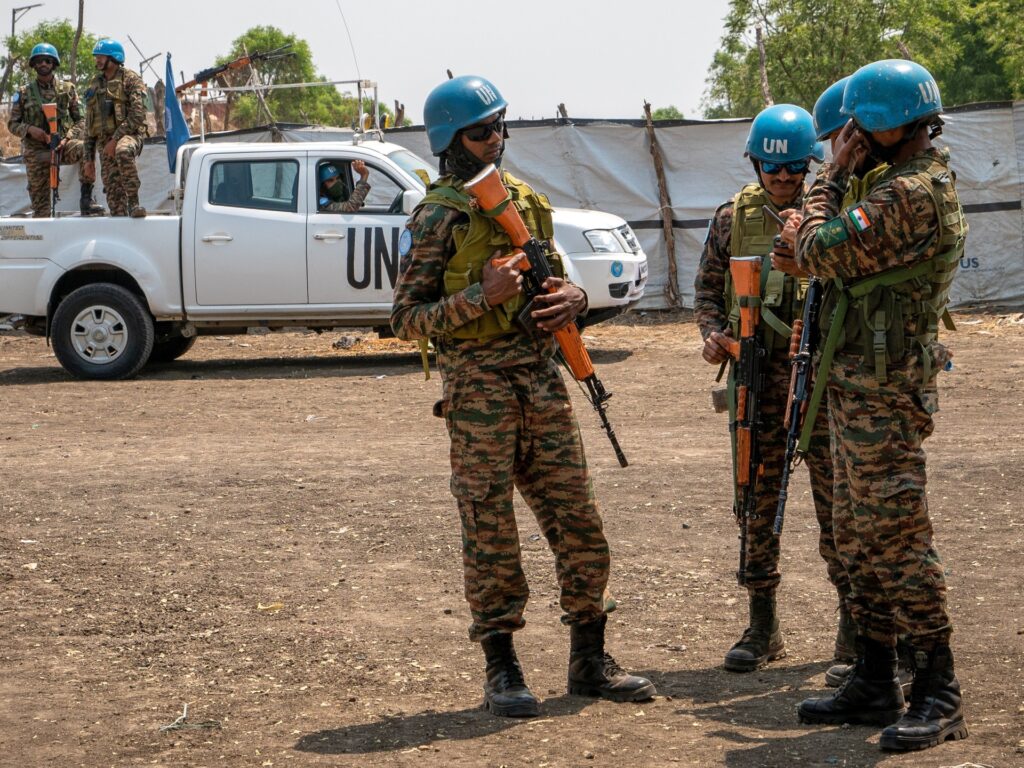
In a tragic development, nearly 170 people have been killed in a brutal attack in Ruweng, South Sudan, according to official reports. The attack has sent shockwaves through the local communities, highlighting the ongoing instability and insecurity in the region.
Ruweng, located in the northern part of South Sudan, has been a hotspot for conflict, with various armed groups vying for control and influence. The recent assault marks one of the deadliest incidents in the area, exacerbating the humanitarian crisis facing the country.
Separately, the international medical organization Médecins Sans Frontières (MSF) has reported that 26 humanitarian workers are missing following recent violence in Jonglei state, another troubled region of South Sudan. Jonglei has long been a center of ethnic tension and violence, impacting both civilians and aid workers.
The disappearance of these humanitarian workers raises serious concerns about their safety and the ability of aid organizations to operate in volatile areas. MSF has called for urgent efforts to locate and secure the safe release of their staff members.
South Sudan, the world’s youngest nation, has struggled with internal conflict since gaining independence in 2011. Ongoing clashes between government forces and rebel groups have led to widespread displacement, food insecurity, and limited access to essential services.
The deadly attack in Ruweng, coupled with the alarming situation in Jonglei, underscores the urgent need for peace and stability in South Sudan. International organizations and governments have been urged to intensify diplomatic efforts and provide increased support to humanitarian operations.
Local authorities in Ruweng have condemned the attack and pledged to investigate the incident thoroughly, promising to bring perpetrators to justice. However, ongoing security challenges continue to hamper the effectiveness of law enforcement and peacekeeping efforts.
Human rights groups have also expressed deep concern over the escalating violence and its impact on civilians. They emphasize the importance of protecting vulnerable populations and ensuring accountability for violations of human rights.
The situation calls for coordinated action from the South Sudanese government, regional actors, and the international community to address the root causes of conflict and promote reconciliation.
Meanwhile, relief agencies are working tirelessly to provide aid and support to those affected by the attacks and violence, despite the risks involved. Access to affected areas remains difficult, complicating efforts to deliver food, medical care, and shelter to displaced persons.
The crisis in South Sudan remains one of the most pressing humanitarian challenges in the world today. With nearly 170 people killed in Ruweng and 26 humanitarian workers missing in Jonglei, the need for urgent intervention has never been clearer.
Efforts to foster dialogue and peace negotiations continue, but the path to lasting peace remains fraught with obstacles. The international community’s support is crucial in helping South Sudan overcome its cycles of violence and build a more stable and prosperous future.
In summary, the recent violence in South Sudan’s Ruweng and Jonglei states highlights the severe security and humanitarian challenges facing the country. Nearly 170 people have lost their lives in the Ruweng attack, and the fate of 26 missing humanitarian workers in Jonglei remains uncertain.
Immediate, coordinated efforts are needed to protect civilians, support humanitarian missions, and advance peace initiatives to ensure South Sudan can move towards a safer and more hopeful future.