In the aftermath of a shocking and unprecedented strike by US and Israeli forces that resulted in the death of Iran’s Supreme Leader Ali Khamenei, widespread anger and unrest have erupted across Pakistan. The strike, which targeted Tehran, has sparked violent demonstrations throughout several cities in Pakistan, leading to the deaths of at least 20 people.
The timing and impact of the strike sent immediate shockwaves not only through the Middle East but also into neighboring Pakistan, where a significant portion of the population has cultural, religious, and political sympathies with Iran. The news of Khamenei’s killing was met with grief, outrage, and protest, turning peaceful gatherings into violent confrontations between demonstrators and law enforcement agencies.
The demonstrations initially started as spontaneous protests in major urban centers including Karachi, Lahore, and Islamabad. However, they quickly escalated into flames of anger as hundreds of demonstrators took to the streets waving flags, chanting slogans against the US and Israel, and demanding justice for what they called an unlawful and aggressive act.
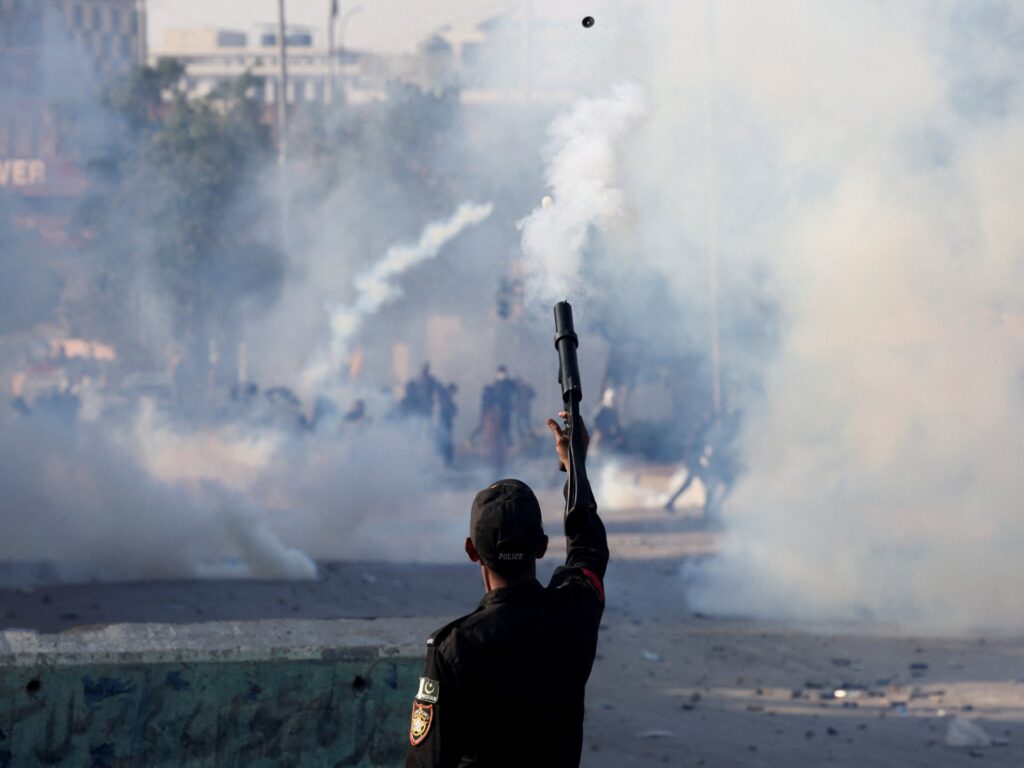
Police forces were deployed in large numbers, employing tear gas and water cannons in attempts to disperse the crowds, which sometimes retaliated with stone-throwing and arson attacks on public property and vehicles. The clashes resulted in heavy injuries and at least 20 confirmed deaths, including both protesters and bystanders.
Public offices, major roads, and markets in affected areas remained shut down due to the unrest, causing significant disruptions to daily life and commerce. The government expressed deep concern over the escalating violence and urged restraint from all parties.
Pakistani leaders have issued statements condemning the strike and offering solidarity with the Iranian people, expressing grief over the loss of the Supreme Leader. Some factions within the country are calling for strong diplomatic responses, while others hint at potential retaliation or increased support for Iranian allies.
International reactions to the strike and the subsequent unrest in Pakistan are being closely monitored. The strike marked a critical and controversial moment in Middle Eastern geopolitics, raising fears of a broader regional conflict.
Security experts warn that the situation in Pakistan remains volatile, as the national fabric is tested by sectarian, political, and social pressures intensified by the recent events. The government is under pressure to restore order while managing the complex implications of the strike.
The death of Supreme Leader Khamenei has also left a power vacuum in Tehran, and how this will affect regional dynamics remains uncertain. As Pakistan deals with its internal turmoil, the international community keeps a watchful eye on potential developments in both diplomatic and security arenas.
This tragedy underscores the far-reaching consequences that military actions in one country can have on its neighbors, particularly in regions as interconnected and sensitive as the Middle East and South Asia. The full extent of the impact on Pakistan’s society, economy, and geopolitics will unfold in the coming days and weeks as the country navigates this profound crisis.