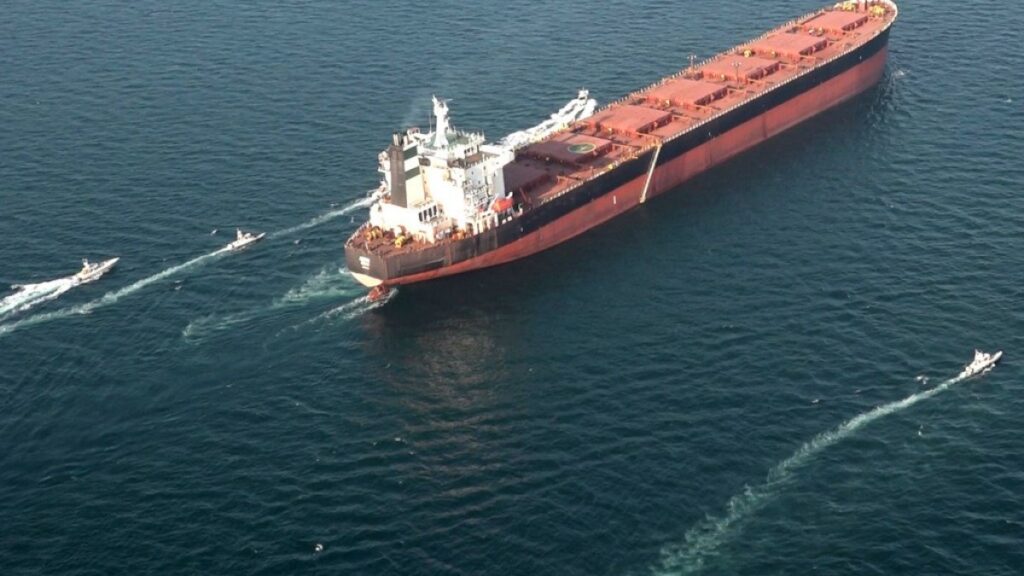
Tensions between the United States, Israel, and Iran have escalated significantly in recent times, with US-Israel joint attacks on Iranian targets stirring global concern. One of the most critical threats posed by these military actions is the potential disruption of the Strait of Hormuz, a vital maritime chokepoint for global energy supplies.
The Strait of Hormuz, situated between the Persian Gulf and the Gulf of Oman, is a narrow passage through which approximately 20-30 percent of the world’s oil and gas shipments transit daily. This strategic waterway is essential to the global energy market, making any threats to its security a matter of international economic and geopolitical importance.
The recent strikes by US and Israeli forces against Iran have raised alarm among energy analysts, economists, and diplomats. Iran has repeatedly threatened to close or restrict access to the Strait as a retaliatory measure against perceived aggression. Such a move could severely disrupt global oil supply chains, leading to sharp increases in oil prices and fuel shortages worldwide.
Iran’s position is bolstered by its control of one side of the Strait, allowing it to potentially block traffic or conduct hostile activities against shipping vessels. This control makes the Strait a strategic lever in Iran’s diplomatic and military strategy, particularly in response to sanctions and military pressures from the US and its allies.
The impact on oil markets could be dramatic. With a significant share of oil shipments passing through the Strait, any disruption in the flow of oil and gas could lead to immediate spikes in global fuel prices, adversely affecting economies dependent on stable energy prices.
Global markets have already seen volatility as investors react to the uncertainty surrounding the situation. Countries heavily reliant on oil imports are monitoring the developments closely, with some governments considering alternative supply routes and stockpiling measures to mitigate the risk.
The geopolitical dimension extends beyond the immediate energy concerns. The Strait of Hormuz’s security involves multiple nations and international organizations, making it a focal point for diplomatic negotiations and potential military alignments.
Efforts to deescalate the conflict are ongoing, with calls for diplomatic dialogue and measures to ensure the freedom of navigation through the Strait. However, the complexity of regional rivalries and global strategic interests complicates these efforts.
In conclusion, the US-Israel attacks on Iran present a significant threat to the security of the Strait of Hormuz. Given the strait’s critical role in global oil and gas supplies, any disruption could have far-reaching consequences for energy markets and international stability. The situation remains dynamic, with the potential for further escalation or diplomatic resolution depending on the actions of the involved parties.