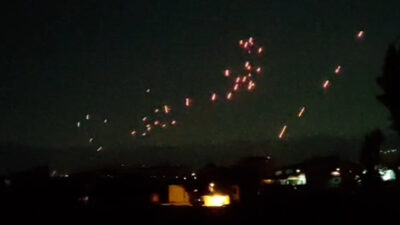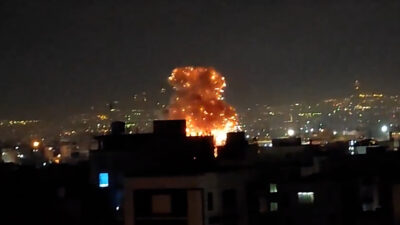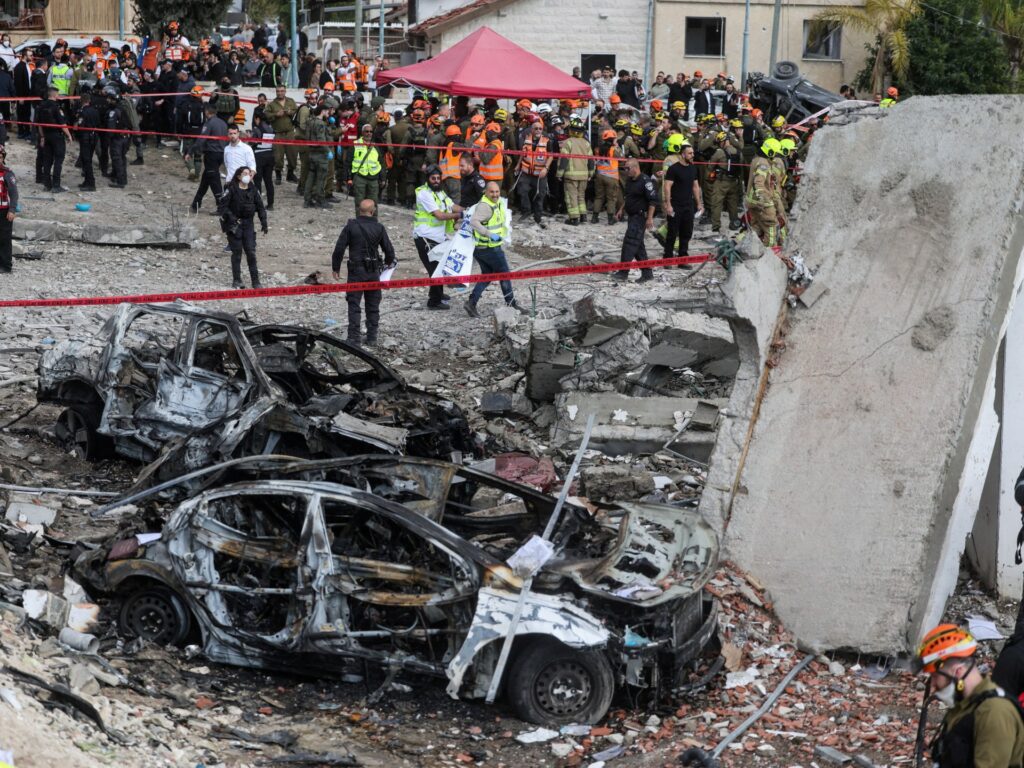
The Middle East witnessed a significant escalation in tensions as the United States and Israel launched attacks on Iran. Amidst these developments, one person was reported killed in Bahrain, marking a grim chapter in the unfolding conflict. In retaliation, Hezbollah fired rockets, intensifying the volatile situation in the region.
Former US President Donald Trump declared that attacks on Iran would persist until all of his stated objectives were achieved. This statement underscores a continued aggressive stance by US forces, aiming to pressure Tehran amid ongoing regional hostilities.
Iran has been actively responding to these attacks by conducting raids on US assets, leading to a cycle of violence that threatens to destabilize the Middle East further. The interplay of military actions and political rhetoric has heightened fears of a broader regional conflict.
The killing in Bahrain, a key US ally in the Gulf, highlights the expansive reach of this confrontation, which involves multiple nations and non-state actors. Bahrain’s strategic location and its role in regional security frameworks make it a focal point in this escalating standoff.
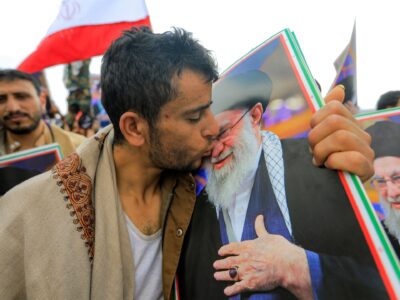
Hezbollah’s involvement, marked by rocket attacks, adds another layer of complexity. As an Iranian-backed militia group, Hezbollah’s actions represent Iran’s proxy response and signal its readiness to retaliate through its allies. This development raises concerns about the potential for a broader proxy war across the region.
The attacks come amid heightened global anxiety about stability in the Middle East, especially concerning the security of US personnel and interests. The US and Israel’s coordinated strikes indicate a shared strategy to counter Iran’s influence and deter perceived threats.
Iran remains defiant, continuing its operations against US assets and maintaining a posture of resistance. This ongoing conflict underscores the deep-seated tensions between Tehran and Washington and their respective allies.
International observers urge de-escalation to prevent further loss of life and regional destabilization. Diplomatic efforts are critical, though the path to peace remains fraught with challenges given the entrenched positions of the involved parties.
The current situation is a stark reminder of the fragile balance of power in the Middle East and the dangers posed by military confrontations between major regional players and their allies. The world watches closely as events unfold, hoping for a resolution to this dangerous spiral of violence.