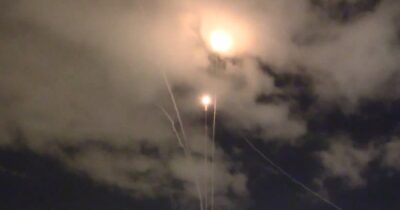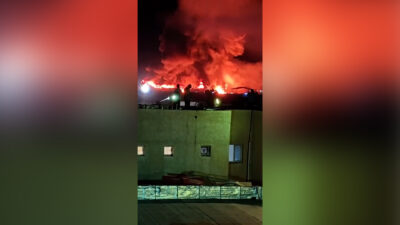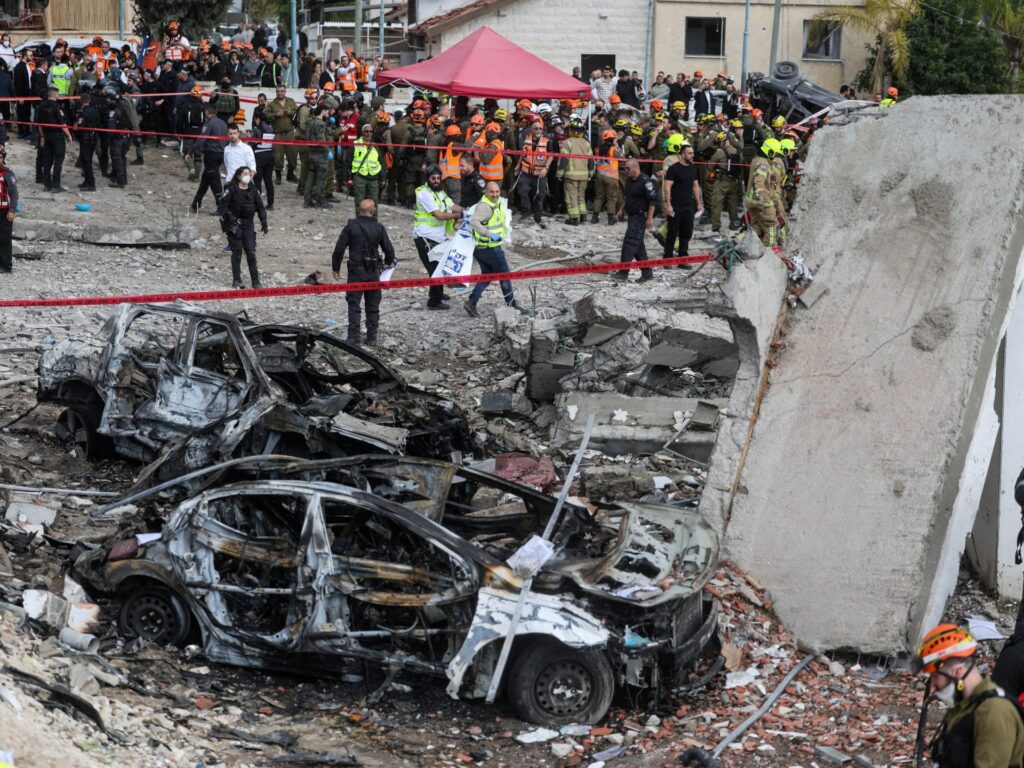
In an escalating conflict in the Middle East, the United States and Israel have launched coordinated attacks on Iranian targets, signaling a sharp intensification of hostilities. The situation has quickly unfolded with broad ramifications for the region and the international community.
The deadly conflict spilled over into Bahrain, where one person was killed following an attack that raised alarms about the expanding reach of the violence. Bahrain, a key US ally in the Gulf, has become increasingly vulnerable amid the growing tensions.
Simultaneously, Hezbollah, the Lebanon-based militant group backed by Iran, responded by firing rockets into northern Israel, further exacerbating the volatile security environment. These rocket attacks have heightened concerns over a potential broader regional conflict involving multiple countries and non-state actors.
In a stark statement, former US President Donald Trump declared that attacks on Iran would continue until all his stated objectives are achieved. His remarks indicate a readiness to maintain pressure on Tehran through military action, signaling a prolonged period of conflict unless diplomatic solutions are sought. Trump’s declaration underscores the complex and contentious nature of US policy towards Iran.
Meanwhile, Tehran continues its raids on US assets in the area, maintaining a persistent posture of defiance against American influence in the region. Iranian forces have targeted US military and strategic installations, responding to the attacks with their own reprisals and demonstrating Tehran’s capability and willingness to engage militarily.
The current situation reflects a dangerous escalation between the US, Israel, and Iran, with Bahrain and Lebanon also embroiled in the conflict. Regional stability is severely threatened as alliances and enmities take center stage, with global powers closely monitoring the unfolding crisis.
The international community has called for restraint and dialogue, urging all parties to avoid further bloodshed and to return to diplomatic negotiations. However, the immediate future appears fraught with tension as strategic objectives, security concerns, and geopolitical rivalries collide.
Economic repercussions are anticipated, particularly in global oil markets, given the Middle East’s critical role in energy supplies. The conflict risks disrupting key shipping lanes and impacting the economies of not only the involved nations but also the broader global market.
As events continue to develop, the world watches a precarious situation that could reshape alliances and power balances in one of the most volatile regions on earth. The coming days and weeks will be crucial in determining whether the conflict spirals into wider war or moves toward resolution through diplomacy.