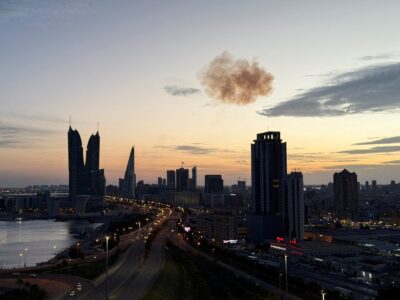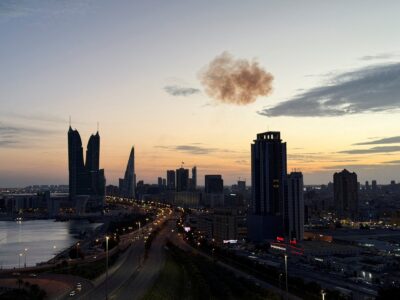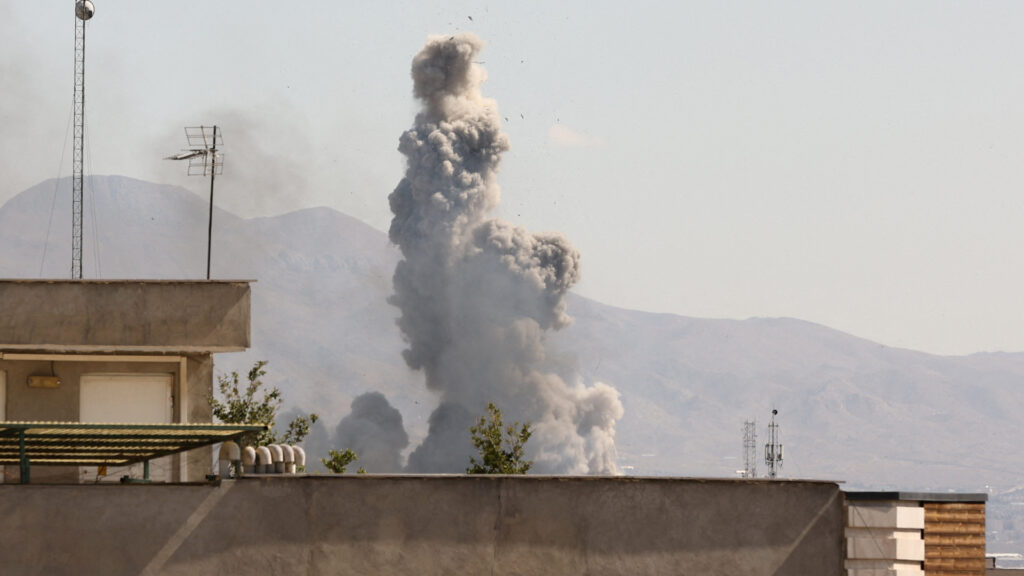
In a significant escalation of hostilities, the Israeli Air Force has conducted a new series of airstrikes over Tehran, the capital of Iran. These attacks, reportedly coordinated with the United States, have resulted in visible smoke rising above the city, marking one of the most intense military actions in the region in recent times.
The operation targeted multiple strategic locations within Tehran, though detailed information about the specific sites hit or the extent of the damage has not yet been released. Eyewitnesses and residents captured footage and images showing smoke clouds billowing over various parts of the city, raising concerns about potential casualties and infrastructural damage.
This latest offensive follows a period of heightened tensions between Israel and Iran, driven by geopolitical conflicts and security concerns in the Middle East. The Israeli government has cited threats from Iran’s military capabilities and regional activities as justification for the strikes.
International reactions have been swift, with global leaders calling for calm and an immediate cessation of hostilities. The United Nations has urged both parties to return to dialogue and seek peaceful resolutions to prevent further escalation that could destabilize the entire region.
The United States, a key ally of Israel, has expressed support for Israel’s right to defend itself against perceived threats. However, there is also a call from various international actors for restraint to prevent civilian casualties and broader conflict.
Analysts warn that such airstrikes could potentially trigger retaliatory actions and further entrench the long-standing animosity between the two nations. Historically, tensions have revolved around nuclear development, proxy conflicts, and ideological differences that have fueled decades of strife.
The recent attack highlights the fragile security situation in the Middle East and underscores the urgent need for diplomatic engagement and conflict resolution mechanisms. Civilians in Tehran and surrounding areas remain at risk as the situation continues to develop.
Authorities within Iran have condemned the airstrikes as aggressive acts violating international law, promising to respond decisively to restore their national sovereignty. Meanwhile, humanitarian organizations are preparing to address potential emergencies stemming from the attacks.
The world watches closely as the situation unfolds, hoping for a swift de-escalation and a return to stability in one of the most volatile regions on earth.