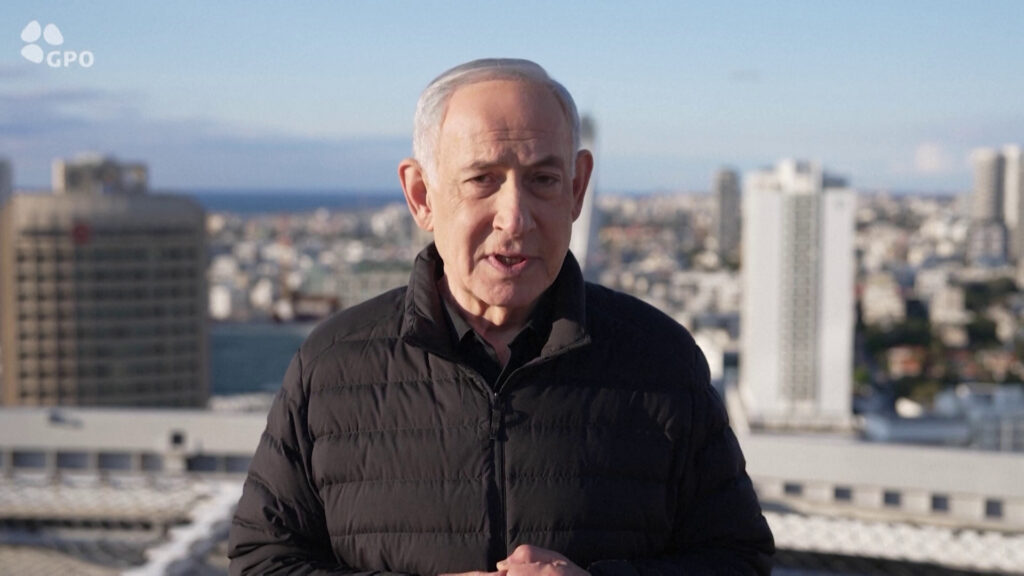
In a recent statement, Israeli Prime Minister Benjamin Netanyahu affirmed that strikes on Tehran will escalate in the coming days, emphasizing a firm stance against Iran’s activities in the region. This announcement signals a heightened phase of military actions targeting Tehran, supported by the United States as part of a strategic alliance.
Netanyahu’s declaration highlights Israel’s commitment to curbing what it perceives as threats emanating from Iran, which it accuses of supporting militant groups and pursuing nuclear capabilities. The prime minister underscored the necessity of these strikes to ensure Israel’s security and stability in the volatile Middle East.
The collaboration with the US marks a significant dimension in this approach, with American backing providing both strategic and operational support. This partnership demonstrates a mutual interest in containing Iran’s regional influence and preventing escalation of nuclear threats.
Analysts note that the increase in strikes could lead to further regional tension, possibly affecting diplomatic relations and international security. However, the Israeli government maintains that such measures are essential to preempt potential attacks and safeguard their national interests.
The announcement has drawn mixed reactions globally, with allies expressing cautious support while some voices warn against possible repercussions on regional peace efforts. The US administration reaffirmed its support for Israel’s right to defend itself and emphasized continued monitoring of the situation to avoid broader conflict.
As the situation unfolds, all eyes remain on Tehran’s response and the international community’s efforts to navigate this delicate and rapidly evolving conflict landscape. These developments underscore the ongoing complexities in Middle Eastern geopolitics, illustrating the challenges faced by nations striving for security amid competing interests and fragile alliances.