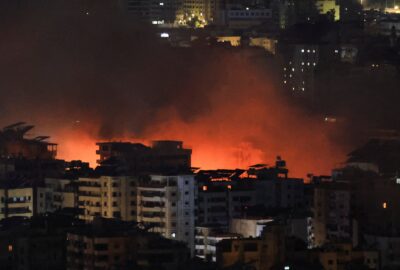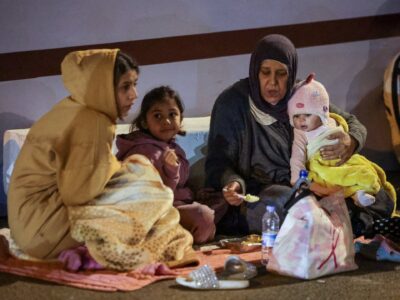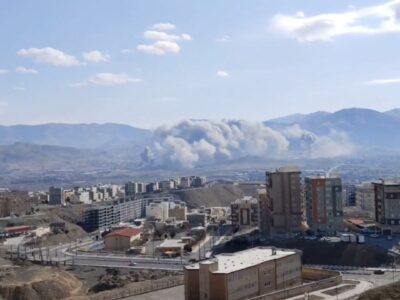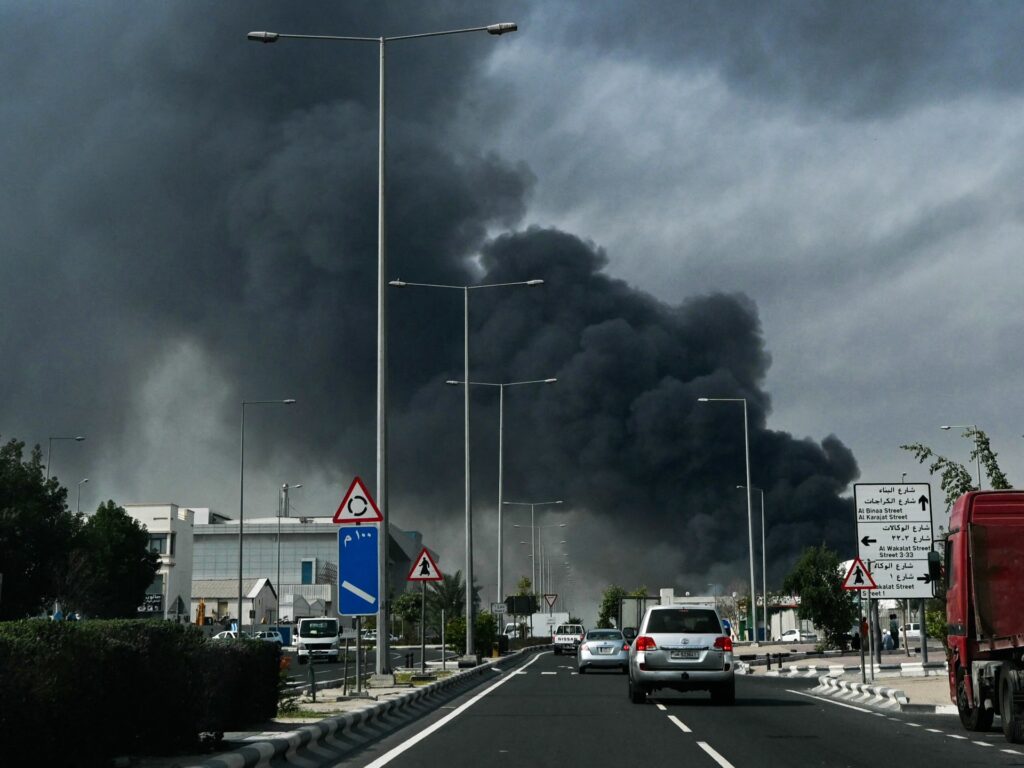
The Gulf region is witnessing escalating tensions as more blasts and attacks have rocked key cities including Dubai, Doha, and Manama. These incidents mark the second consecutive day of retaliatory strikes by Iran targeting US assets in the area, raising concerns of a potential wider conflict.
Iran’s offensive actions come in response to unresolved geopolitical disputes and recent confrontations involving US interests in the Gulf. The attacks have been characterized by explosions in strategic locations that serve as hubs for international business and diplomatic activities.
Dubai, known for its towering skyscrapers and status as a global financial center, experienced a series of blasts disrupting normal life and prompting heightened security measures. Authorities have launched investigations to identify the sources and perpetrators behind the attacks.
Similarly, Doha and Manama have reported explosions near critical infrastructure, causing damage and creating a climate of uncertainty. These cities play significant roles in regional politics and economics, and any disruption here is likely to reverberate beyond their borders.
Officials from the United States have condemned the attacks, which are seen as provocations threatening regional stability. The US government has vowed to protect its assets and interests in the Gulf and is reportedly ramping up defensive and intelligence operations.
Fears of the conflict expanding beyond targeted strikes are growing among international observers, diplomats, and regional allies. The Gulf’s strategic importance for global oil supplies and its geopolitical significance make these developments particularly sensitive.
Iran’s rationale for the attacks stems from what it describes as aggressive US policies and military presence around its borders. Tehran views these strikes as a form of deterrence and a message to the US and its allies.
Regional powers are calling for restraint and diplomatic solutions to avoid a further escalation that could involve multiple countries and lead to broader military engagements.
Economic markets have reacted negatively to the news of instability, with oil prices rising amid fears of supply disruption. Businesses and expatriate communities in affected cities are advised to stay alert and follow official updates.
The international community continues to monitor the situation closely, urging dialogue and peaceful negotiations to resolve tensions. The next few days are critical in determining whether these attacks mark the beginning of sustained conflict or a temporary flare-up that might be contained through diplomacy.
Overall, the repeated blasts in Dubai, Doha, and Manama underscore the growing volatility in the Gulf region, highlighting the urgent need for conflict de-escalation and strategic engagement to ensure security and stability.