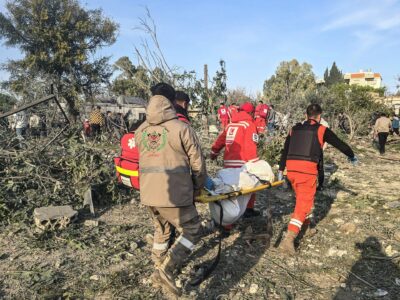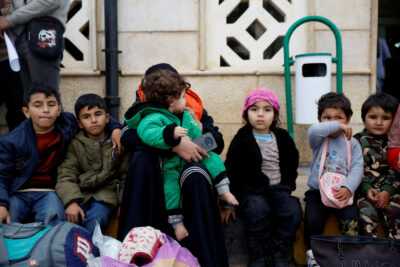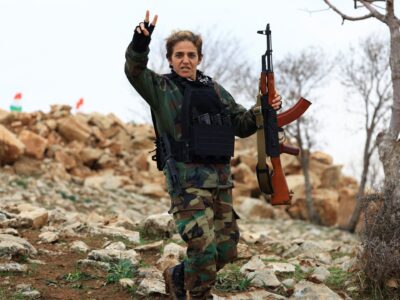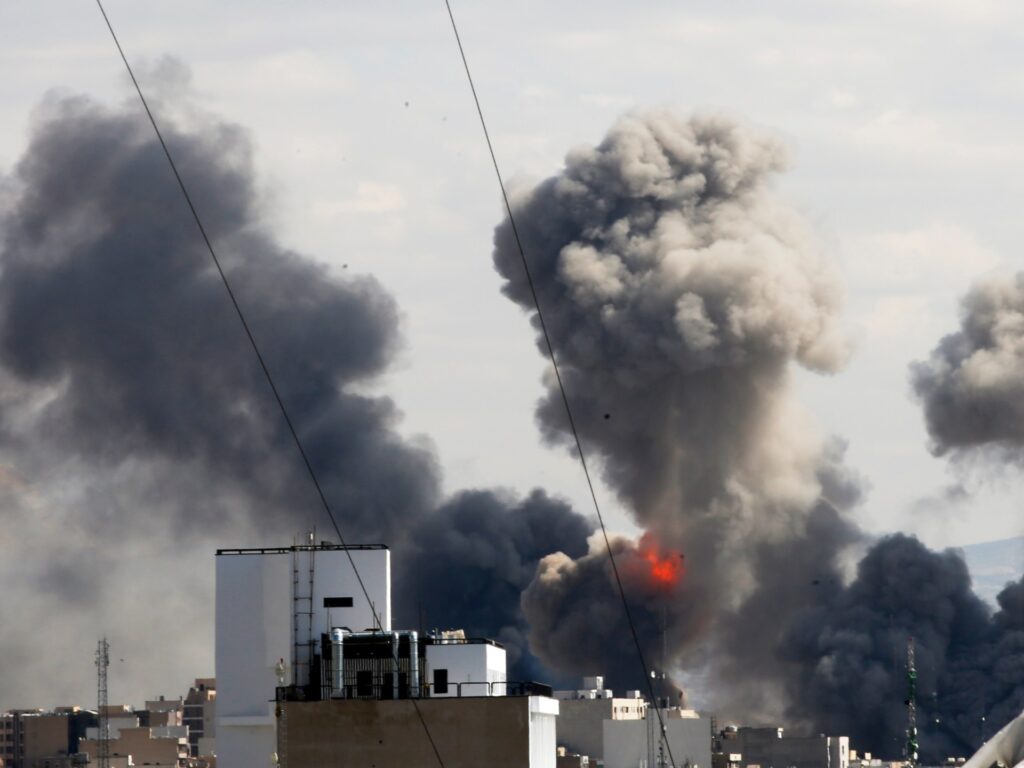
Tehran continues to endure relentless missile strikes amid heightened tensions in the region. Despite the ongoing attacks targeting the capital and other strategic locations, Iran’s leadership remains unwavering in its stance, projecting a united front under adversity.
The recent missile barrages have inflicted damage on multiple sites in Tehran, aimed at destabilizing the government and undermining its authority. However, the surviving Iranian leaders have rapidly consolidated their positions, demonstrating increased cohesion and resolve to counter these assaults.
Supreme Leader Ali Khamenei, a central figure in Iran’s political and religious hierarchy, recently became a symbolic focus amid the crisis. Following developments surrounding Khamenei, Iranian officials have publicly expressed both defiance and determination, signaling a readiness to retaliate against perceived aggressors.
High-ranking commanders and political figures have convened to coordinate response strategies, emphasizing national unity and resilience. Their message to the international community is clear: attempts to weaken Iran through military means will be met with firm resistance and calculated vengeance.
Militant groups aligned with Tehran have also echoed these sentiments, vowing to support the government’s stance and escalate counterstrikes if Iranian soil continues to be violated. The narrative propagated by state media highlights a story of resistance and martyrdom, rallying the populace.
Analysts observe that this posture serves multiple purposes: fortifying internal morale, deterring adversaries, and sustaining the regime’s grip on power amid external pressures. The leadership’s rhetoric underscores a belief that yielding to external threats would equate to national humiliation and jeopardize Iran’s sovereignty.
Meanwhile, diplomatic efforts continue cautiously behind the scenes, as various global actors seek to mediate an end to the hostilities. Yet, the overt military exchanges cast a shadow over such negotiations, complicating prospects for peace in the near term.
The missile strikes and subsequent Iranian response form part of a broader pattern of escalating conflict dynamics in the Middle East. Each episode reinforces the fragile state of regional security and the high stakes involved for involved parties.
In summary, as Tehran bears the brunt of ongoing assaults, Iranian leadership embodies a stance marked by defiance and an unequivocal pledge to exact revenge. The situation remains fluid and fraught with the potential for further escalation, necessitating close monitoring from international observers and policymakers.
This unfolding crisis exemplifies the persistent challenges in achieving stability within the region, highlighting how military actions can harden positions and diminish prospects for dialogue. The endurance of Iran’s leaders in the face of adversity speaks to their commitment to maintaining control and asserting national dignity despite external provocations.