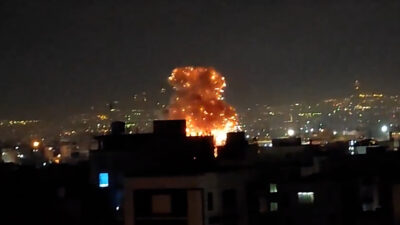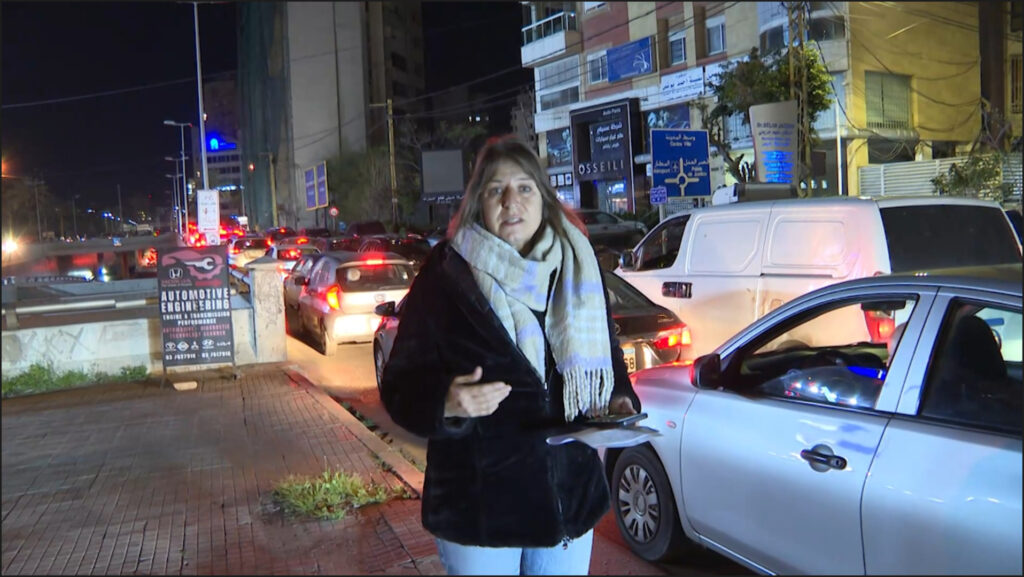
Tens of thousands of Lebanese civilians are currently fleeing areas in and around Beirut, following a wave of Israeli airstrikes that have escalated in recent days. The strikes, reported by Al Jazeera from Beirut, have resulted in widespread forced displacement, as residents seek safety from the violence.
The situation remains tense, with many families leaving their homes and neighborhoods in search of refuge either elsewhere in Lebanon or across borders. The Israeli military has justified the strikes as part of operations targeting what they describe as militant groups operating within Lebanese territory.
The impact on the civilian population is profound, with local authorities and humanitarian organizations warning of an emerging crisis. Displacement on such a scale strains available shelter and resources, complicating efforts to provide food, medical care, and basic necessities. The psychological toll on displaced families, many of whom include children, adds another layer of concern to the unfolding crisis.
International observers and aid groups have called for immediate cessation of hostilities to prevent further harm to civilians and to allow humanitarian access. Diplomatic efforts are ongoing to de-escalate tensions, but the path to a peaceful resolution remains uncertain.
Beirut, Lebanon’s capital, has historically been a focal point of conflict, and the current waves of displacement evoke past episodes of violence that have left deep scars on the community. The residents’ urgent need for safety underscores the human cost of the geopolitical struggle taking place.
As the crisis develops, the international community faces mounting pressure to respond with both humanitarian aid and concerted diplomatic engagement to address the root causes of the conflict and to protect vulnerable populations caught in the crossfire. The resilience of Beirut’s people continues to be tested as they navigate this period of upheaval and uncertainty.