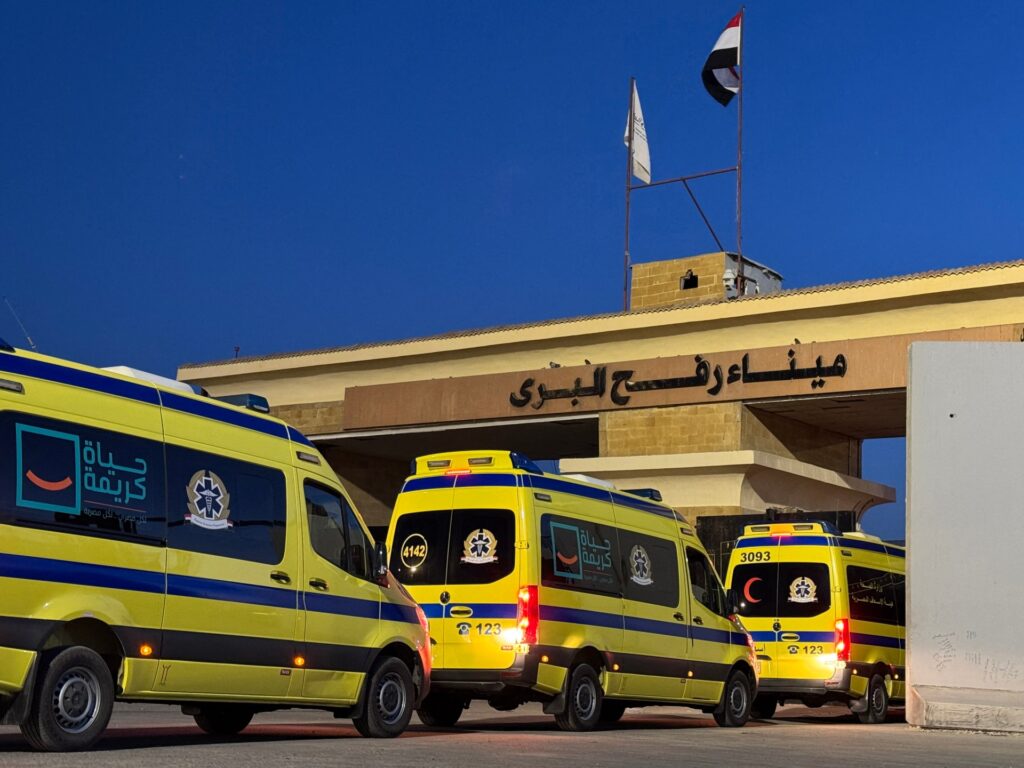
In a significant development intensifying the already volatile situation in the Middle East, Israel has closed the Rafah crossing between Gaza and Egypt. This crossing is a critical conduit for humanitarian aid and the evacuation of critically ill patients from Gaza. The closure comes amid escalating attacks on Iran, signaling heightened regional tensions and potential repercussions for civilian populations.
The Rafah crossing holds immense strategic and humanitarian importance. It is Gaza’s main gateway to the outside world, especially for Palestinians who need urgent medical treatment abroad and for the inflow of essential humanitarian supplies. The decision to close this passage could exacerbate the already dire humanitarian conditions inside Gaza, limiting access to necessary medical care and aid.
Israel’s closure is tied to the recent surge in attacks targeting Iran, with the region experiencing increased hostilities. Experts observe that the closure could be a direct response to the tensions involving Iran, aiming to exert pressure on factions within Gaza perceived to be aligned with Tehran’s interests.
Egypt, which administers the Egyptian side of the crossing, has historically played a delicate role in managing access through Rafah. The crossing has occasionally been shut due to security concerns or political considerations, but the current closure amid this new violence underscores the complex and fragile balance in regional diplomacy.
Humanitarian organizations have expressed grave concerns over the impact of this closure. The International Committee of the Red Cross and other agencies are urging all parties to ensure that civilians, particularly those requiring urgent medical attention, are granted access to safety and treatment.
The closure also complicates the prospects for de-escalation in Gaza, as movement restrictions often fuel frustration and worsen humanitarian conditions. The blocking of Rafah crossing could lead to increased pressure on both Egypt and Israel regarding the well-being of Gaza’s population.
Meanwhile, diplomatic efforts are intensifying with international actors calling for calm and urging that humanitarian corridors remain open. The United Nations has emphasized the need for uninterrupted access to Gaza for humanitarian aid and medical evacuations.
The escalation linked to the attacks on Iran is adding a new dimension to the already intricate Israeli-Palestinian conflict, potentially drawing in broader regional involvement. Analysts warn that developments around the Rafah crossing could be a bellwether for further destabilization if not promptly addressed.
In summary, Israel’s closure of the Rafah crossing amid attacks on Iran highlights a worsening humanitarian and security crisis. The crossing’s shutdown threatens to isolate Gaza further, restricting essential aid and medical evacuations, while amplifying regional tensions. International calls for reopening the crossing and protecting civilians continue to grow urgent as the situation evolves.