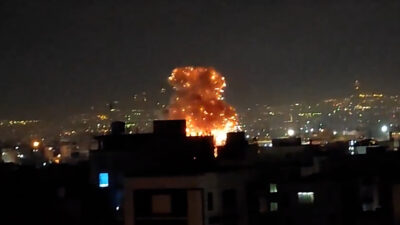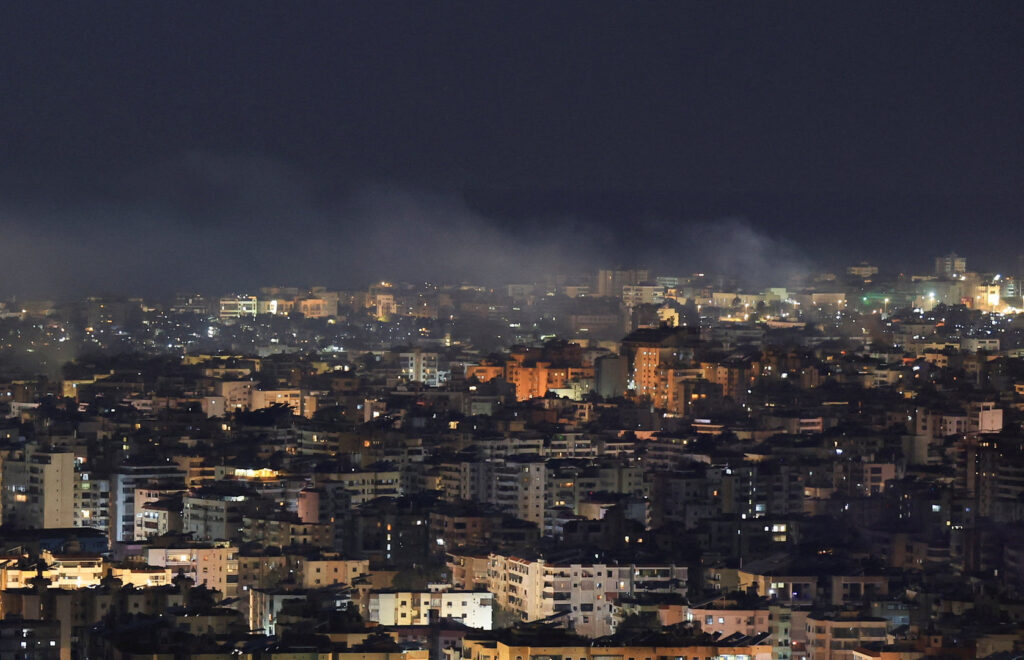
Smoke rises after Israeli strikes in Beirut's southern suburbs, Lebanon, March 2, 2026. REUTERS/Mohamed Azakir
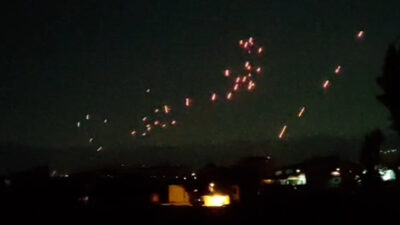
Israel recently launched significant airstrikes targeting the southern suburbs of Beirut, Lebanon’s capital. These military actions come in direct response to rocket attacks fired by Hezbollah, a Lebanon-based militant group backed by Iran. Hezbollah’s strikes were framed as retaliation in the ongoing conflict involving Iran’s regional interests.
The escalation marks a notable intensification in the volatile relations between Israel and Hezbollah. The southern suburbs of Beirut, heavily populated and known to be a Hezbollah stronghold, were the focal points of Israel’s strikes, which reportedly caused considerable damage.
This strike follows a series of tit-for-tat exchanges linked to broader tensions in the Middle East, notably around Iran’s influence and military activities throughout the region. Hezbollah, considered a terrorist organization by Israel and several Western countries, acts as Iran’s proxy and plays a critical role in Iran’s strategic network.
The cross-border hostilities underscore the fragile security situation in Lebanon and the wider region. Israel’s campaign aims to degrade Hezbollah’s military capabilities, which it accuses of continually threatening Israeli sovereignty and civilians.
Lebanon’s government faces mounting pressure amid the violence to control Hezbollah’s actions. The strikes have raised alarm about potential civilian casualties and infrastructure destruction, escalating humanitarian concerns in Beirut.
International reactions have called for restraint and de-escalation to prevent a wider conflict. The United Nations and several countries have urged both parties to engage in dialogue and avoid actions that could trigger a broader regional war.
This latest episode is part of the longstanding and complex conflict dynamics between Israel and Hezbollah, which have frequently erupted into open warfare, notably the 2006 Lebanon War. The renewed hostilities reflect the ongoing challenges to peace and stability in the Middle East, highlighting the intertwined roles of local and international actors.
In summary, Israel’s airstrikes on Beirut’s southern suburbs represent a direct retaliation to Hezbollah’s rocket fire linked to Iran-related conflicts. The developments amplify concerns over escalating violence, potential civilian impact, and the stability of Lebanon and the region.