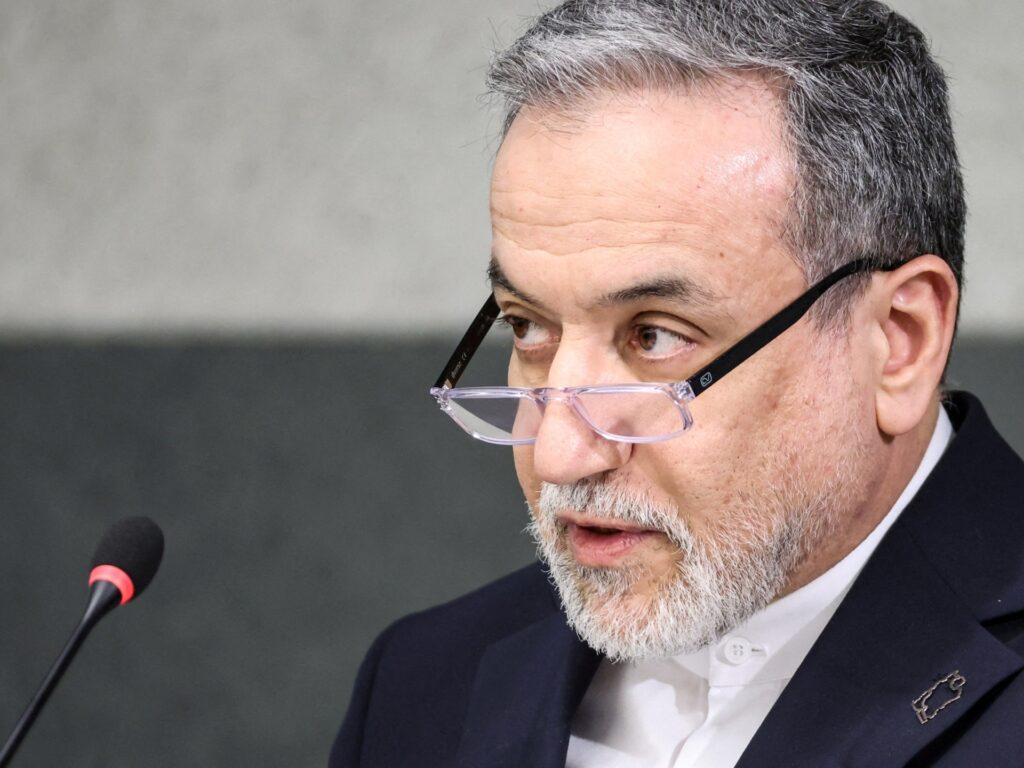
In a significant development from Tehran, Iran’s Foreign Minister Abbas Araghchi has indicated that the selection process for a new Supreme Leader could conclude within days. This announcement comes as the nation mourns the passing of Ali Khamenei, the country’s influential and long-serving Supreme Leader.
Araghchi emphasized that the constitutional mechanisms for appointing Khamenei’s successor are already underway. The process is expected to be swift, reflecting the urgency and importance of maintaining political stability in the Islamic Republic.
The death of Ali Khamenei marks the end of an era for Iran. He had a profound impact on both domestic policies and Iran’s international stance over the years. His leadership was characterized by a strong resistance against perceived foreign interference, particularly from the United States and Israel.
As Tehran grapples with this monumental transition, Iranian leaders have reiterated their commitment to the country’s core policies and ideological stances. The Foreign Minister underlined that Iran will continue to resist what it views as external pressure and hostile actions, maintaining a firm posture against its regional adversaries.
The announcement has sparked wide speculation about potential candidates for the top leadership position. While the constitutional process involves a council that nominates and approves candidates, insiders suggest that the decision will be pivotal for Iran’s future trajectory.
The Iranian public is mourning the leader who was a symbol of the Islamic Republic’s revolutionary principles. State media have reported widespread expressions of grief and calls for unity to face the challenges ahead.
The broader implications of the leadership change extend beyond Iran’s borders. Regional powers and global observers are closely monitoring the situation, anticipating how a new Supreme Leader might influence Iran’s foreign policy and the geopolitical balance in the Middle East.
The transition period is a critical time for Iran, with economic, social, and security issues all intertwined with the leadership change. Analysts point out that the new Supreme Leader’s approach could significantly impact negotiations on key issues such as nuclear talks and regional conflicts.
In summary, Abbas Araghchi’s statements signal a near conclusion to the constitutional process for appointing the new Supreme Leader. As Iran honors Ali Khamenei’s legacy, the nation stands at a crossroads, determined to uphold its principles and resilient in the face of external pressures. The coming days promise to be defining for Iran’s future leadership and its role on the global stage.