In a significant development amid a turbulent political atmosphere, Iran has announced the formation of an interim council tasked with overseeing the transition of leadership following the killing of Supreme Leader Ayatollah Ali Khamenei. This move is aimed at ensuring stability and continuity in governance during what is expected to be a sensitive and critical period for the country.
The announcement came from Iran’s security chief, Ali Larijani, who pledged the swift establishment of this provisional council. Larijani’s statement emphasized the urgency and necessity of a smooth transition to avoid any power vacuum that could destabilize the nation.
Khamenei, who has been the Supreme Leader of Iran since 1989, was a central figure in both domestic and international politics. His unexpected death has raised many questions about the future direction of the Iranian regime.
The interim council is expected to be composed of senior political and religious figures within Iran’s establishment. Its primary mandate will be to manage day-to-day governance, maintain law and order, and oversee the selection or appointment of the next Supreme Leader. This arrangement is crucial for maintaining continuity and reassuring both the Iranian populace and foreign observers.
Larijani highlighted that the council will operate transparently and with due respect to Iran’s constitutional frameworks. He also reassured citizens that the transition process would be conducted without unnecessary delay, aiming to stabilize the political landscape swiftly.
Internationally, Iran’s announcement has triggered a mix of reactions. Allies have expressed support for Iran’s efforts to maintain order, while critics have voiced concerns about potential power struggles within the country. Analysts suggest that the coming weeks will be critical in determining how the new leadership shapes Iran’s domestic policies and foreign relations.
The formation of the interim council is also expected to address immediate security concerns, as the leadership transition could embolden opposition groups or create openings for external interference. By having a dedicated body overseeing the process, the Iranian government seeks to mitigate such risks.
Furthermore, this transitional body may influence the future political orientation of Iran, potentially impacting its stance on nuclear negotiations and regional diplomacy. The council’s decisions will likely set the tone for the selection of a new Supreme Leader who could either maintain Khamenei’s policies or signal shifts in Iran’s direction.
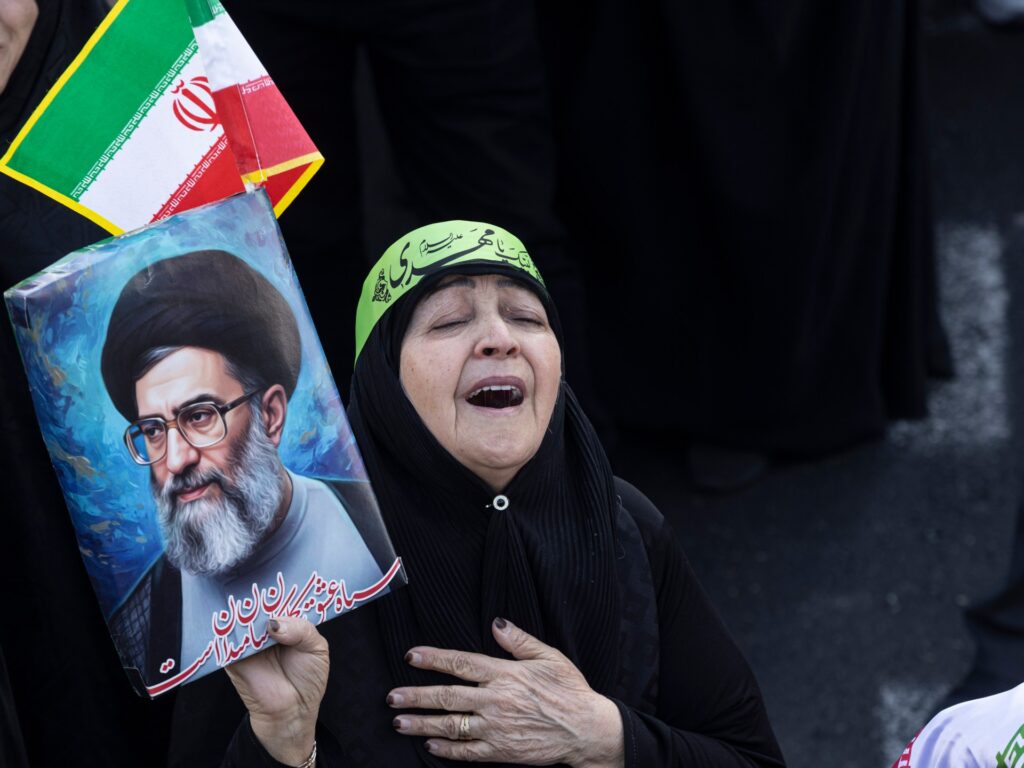
Internally, the announcement has triggered various responses. Some citizens express cautious optimism that the council will ensure stability, while others remain wary about the concentration of power and the transparency of the process.
Experts emphasize that the smooth functioning of this interim council is critical for maintaining public trust and preventing factional conflicts within Iran’s powerful political elite.
In summary, Iran’s move to establish an interim council marks a pivotal moment in the country’s political landscape. This provisional body will serve as a guardian of continuity, managing the crucial transition period after the death of one of the nation’s most influential leaders, Supreme Leader Ali Khamenei. Its success will be measured by its ability to uphold stability and legitimacy in the eyes of both Iranian citizens and the international community during this uncertain time.