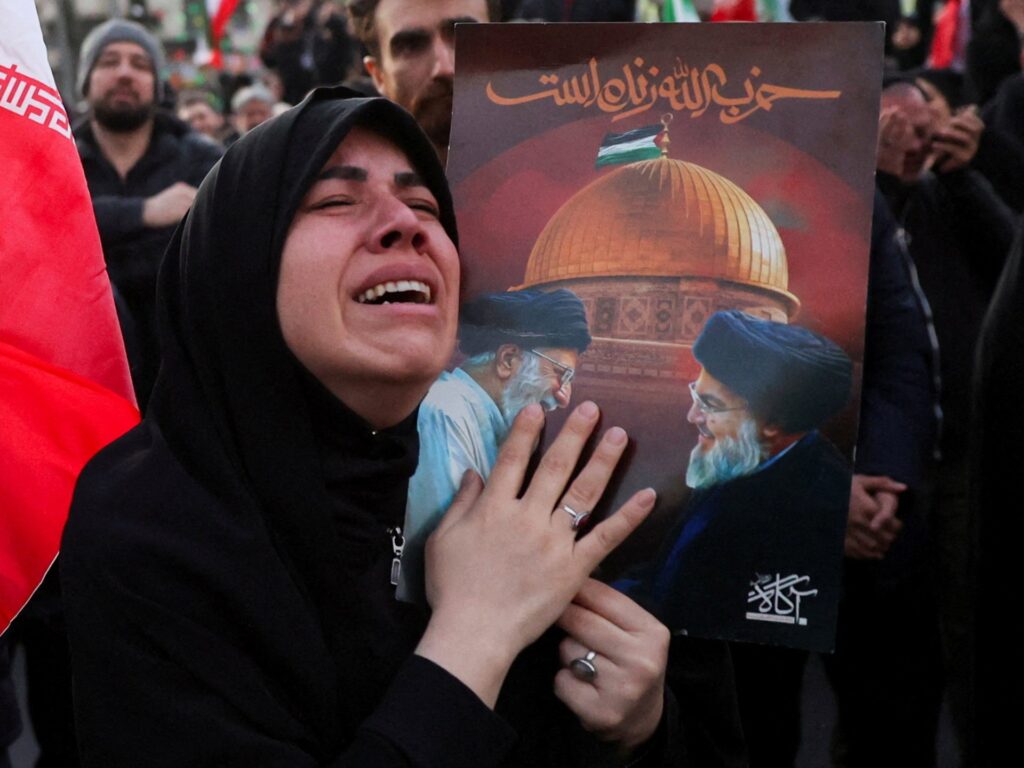
In a significant and somber development, Iran has officially begun a 40-day mourning period following the assassination of its Supreme Leader, Ayatollah Ali Khamenei. The shocking attack, which Iran attributes to a joint US-Israeli operation, has sparked widespread grief and condemnation throughout the country.
President Masoud Pezeshkian vocally condemned the killing, describing it as “a great crime” against the nation. His statement, delivered through his office, reinforces the gravity of the incident and reflects the deep sense of loss felt by Iranian officials and citizens alike.
The assassination marks a critical juncture for Iran, where Khamenei has been the central figure in both political and religious leadership for decades. His leadership has shaped Iran’s domestic policies, foreign relations, and responses to global geopolitical challenges.
The government has deployed heightened security measures in response to potential unrest and has urged citizens to show both restraint and solidarity during the mourning period. Public institutions, schools, and businesses have been called upon to observe the mourning rituals.
International reactions have been mixed, with some nations expressing concern over escalating tensions in the Middle East, while others have remained cautious in their statements pending further information.
The attack has intensified scrutiny of US and Israeli policies in the region, fueling debates on the implications for regional stability and the possibility of retaliatory actions. Analysts speculate that this event could lead to a realignment within Middle Eastern geopolitics.
Iranian mourners are expected to participate in a series of memorial services and national events designed to honor the legacy of Ayatollah Khamenei. These ceremonies will underscore themes of resistance, endurance, and unity.
The 40-day mourning tradition is deeply rooted in Iran’s cultural and religious practices, signifying a period of reflection and sorrow. Historical precedents suggest this mourning could influence political discourse and public sentiment well beyond the immediate aftermath.
State media outlets have been mobilized to shape the narrative of the event, emphasizing Khamenei’s contributions and framing the attack as an act of aggression against the Iranian nation.
As Iran navigates this turbulent period, the international community watches closely, aware that the ramifications of this assassination could extend far beyond Iran’s borders, potentially affecting global security and diplomatic relations.
The coming weeks will be critical as Iran’s leadership addresses both the internal challenges of maintaining cohesion and security, and the external pressures from international actors reacting to this unprecedented event.
In summary, the assassination of Supreme Leader Ayatollah Ali Khamenei and the subsequent initiation of a 40-day mourning period represent a profound moment in Iranian history, with significant implications for regional and global politics.