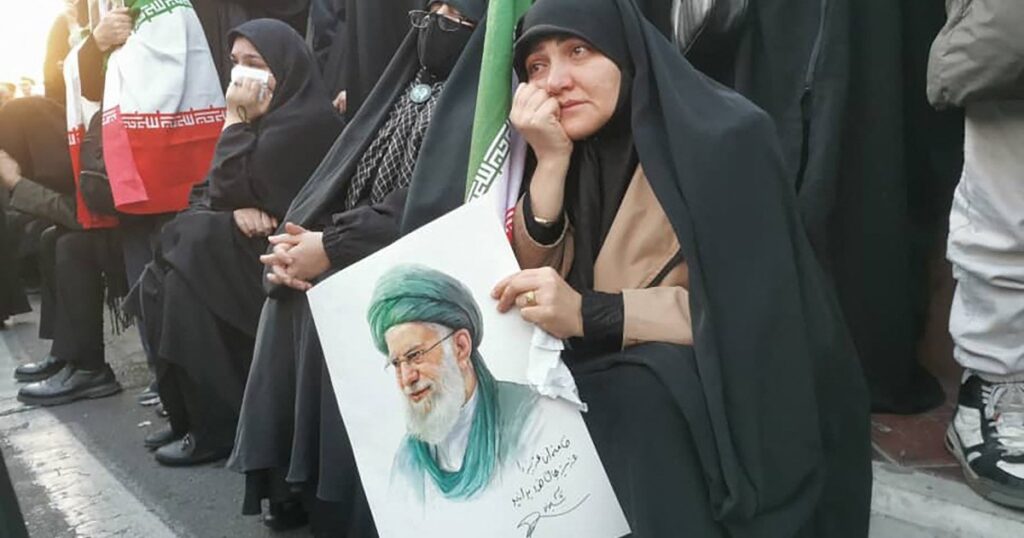
In a shocking and unprecedented event, Iran’s Supreme Leader Ayatollah Ali Khamenei was killed by joint operations conducted by US and Israeli forces. This incident has sent ripples across the world, prompting immediate reactions from various countries, international organizations, and prominent groups.
The operation, which was not officially confirmed by the US or Israeli governments at the moment, marks a significant escalation in Middle Eastern geopolitics. Global powers have expressed concern over the potential consequences of this killing on regional and international stability.
Several nations have condemned the act, labeling it a dangerous provocation that could ignite further conflict. Countries with close ties to Iran, including Russia and China, have called for restraint and warned against any retaliatory attacks that could spiral into a broader war.
The United Nations issued a statement urging all parties involved to exercise maximum restraint and prioritize de-escalation. The UN Secretary-General highlighted the need for dialogue and diplomacy to resolve tensions and avoid a full-scale conflict in the Middle East.
European Union leaders condemned the killing and expressed their worries about the fragility of the region’s peace. They called for immediate talks between Iran and global powers to prevent a breakdown in the nuclear negotiation processes and reduce the risk of military confrontation.
Prominent Middle Eastern nations such as Saudi Arabia and the United Arab Emirates urged calm and emphasized the importance of diplomatic solutions. They warned that the killing could destabilize the region further and complicate ongoing reconciliation efforts.
In the United States, reactions are mixed—with some political factions supporting the decisive action against a figure they deem responsible for regional instability and sponsorship of terrorism, while others express concern over the long-term consequences and the risk of entanglement in another Middle Eastern conflict.
Israel’s government hailed the operation as a significant achievement in its campaign against hostile actors in the region. It reiterated its commitment to national security and the prevention of threats from Iran and its proxies.
International watchdog organizations and human rights groups have called for transparency regarding the operation’s legal basis and the adherence to international law and norms.
Social media platforms have seen an outpouring of reactions ranging from support, condemnation, fear, and calls for peace. Activists and citizens around the world are petitioning their governments to seek peaceful resolutions rather than military confrontations.
Analysts suggest that this event could redefine alliances and enmities in the Middle East, potentially prompting new negotiations, shifts in power, and recalibrations by global players.
The coming weeks are critical, as diplomats work intensively to prevent escalation, maintain communication channels, and promote stability. The killing of a figure as influential as Khamenei represents not only a tactical strike but a symbolic act that resonates far beyond Iran’s borders.
The world watches closely, hoping that reason will prevail and that this tragic event will not lead to further bloodshed but instead inspire efforts to secure lasting peace in one of the world’s most volatile regions.