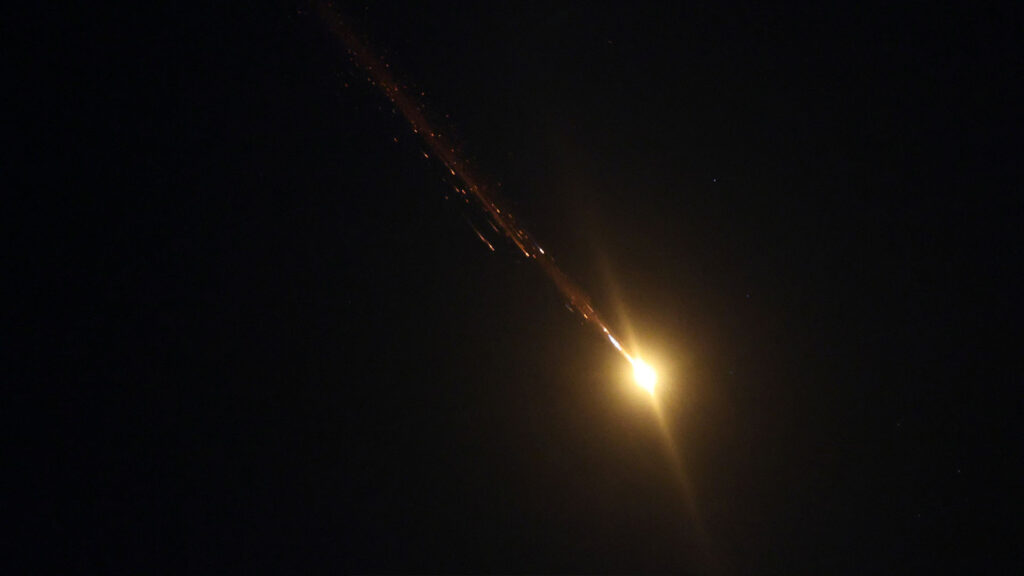
In a tense escalation of regional hostilities, Iran launched a retaliatory missile barrage targeting Israel, marking a significant moment in Middle Eastern conflicts. Israeli civilians and defense officials witnessed a dramatic breach as an Iranian missile pierced through Israel’s highly advanced air defense systems, striking a designated target within Israeli territory.
The incident was captured on film by Israeli citizens, showing the missile’s trajectory as it successfully evaded interception. This marks a rare instance where Iranian missile technology overcame Israel’s renowned defense capabilities, highlighting a potential shift in the tactical dynamics of the ongoing conflict.
Iran’s decision to launch the barrage follows a series of provocations and military actions from both sides over recent months. Iranian officials have stated that the missile strike was a measured response to prior attacks they attribute to Israel, framing it as an act of defense and deterrence.
Israeli leadership swiftly condemned the attack, vowing to respond decisively to further threats. They reiterated their commitment to protecting national security and the safety of their citizens. Military analysts suggest that while Israel’s air defense systems generally maintain high interception rates, this event exposes vulnerabilities that may require urgent investigation and technological upgrades.
The strike has sparked international concern, with global powers calling for restraint to avoid further escalation that could destabilize the region. Diplomatic channels are reportedly active behind the scenes as stakeholders seek to de-escalate tensions.
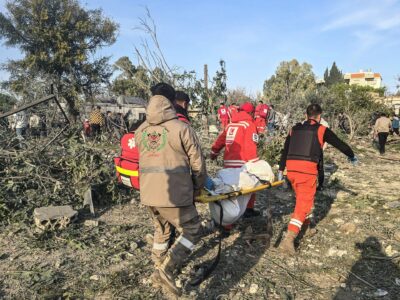
Residents near the impact zone reported hearing loud explosions and witnessing emergency crews responding promptly to the aftermath. Fortunately, initial reports indicate that casualties were minimal, though assessments of material damage are ongoing.
This missile attack underscores the volatility of the conflict and the risks posed by ongoing military exchanges between Iran and Israel. The event has reignited debates about the effectiveness of current defense technologies and the urgent need for diplomatic solutions to prevent future confrontations.
Experts agree that while retaliation is a common aspect of the conflict, such successful missile strikes represent a notable development, potentially influencing future military tactics and regional security strategies.
As the situation continues to evolve, the international community remains vigilant, emphasizing the importance of dialogue and peaceful resolution to ensure stability in this geopolitically sensitive area.