Ayatollah Ali Khamenei has been a central and towering figure in Iranian politics and religious leadership for decades. As the Supreme Leader of Iran, he has wielded the highest authority in the nation, guiding both its domestic policies and foreign relations since 1989. Born in 1939 in Mashhad, Khamenei’s rise to power was deeply intertwined with the Islamic Revolution of 1979, which transformed Iran’s political landscape and established the Islamic Republic.
Khamenei’s early years were marked by religious study and political activism. He was an ardent opponent of the Shah’s regime, and his efforts during the revolution earned him a prominent place among Iran’s clerical leadership. Following the death of Ayatollah Ruhollah Khomeini, the founder of the Islamic Republic, Khamenei was appointed as Supreme Leader, tasked with upholding the principles of the revolution and safeguarding the country’s Islamic identity.
Over the decades, Khamenei has played a crucial role in shaping Iran’s trajectory. His leadership style has combined religious authority with political pragmatism, steering the country through periods of economic sanctions, international isolation, and internal dissent. Under his guidance, Iran has pursued a policy of resistance against Western influence, particularly that of the United States and Israel, fostering alliances with various regional actors and promoting its vision of an Islamic world order.
Khamenei’s influence extends beyond politics into the social and cultural realms; he has been a prominent voice on issues such as education, media, and public morality. While his leadership has been praised by supporters for preserving Iran’s sovereignty and religious values, critics have accused him of suppressing political freedoms and maintaining a rigid theocratic system.
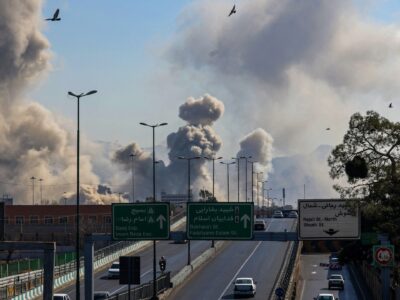
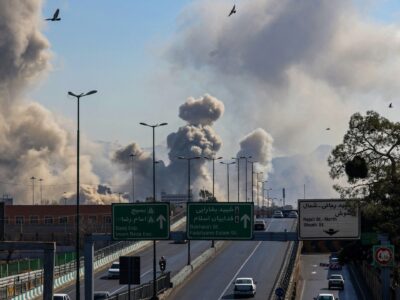
Recently, reports emerged alleging that Ayatollah Ali Khamenei was killed in a joint US-Israeli strike, according to Iranian state media. This shocking claim, if verified, would represent an unprecedented shift in Middle Eastern geopolitics and could have profound implications for regional stability. However, such reports require careful scrutiny as they come from sources intertwined with the ongoing conflict dynamics.
Khamenei’s role as Supreme Leader has made him a symbolic and real figure of authority, whose decisions continue to influence not only Iran but also the broader Middle East. His legacy will be judged by history through the complex interplay of ideology, power, and resilience in a turbulent region.