The recent US military strikes on Iran have sparked significant controversy, with Democratic lawmakers vocally condemning the actions due to the absence of congressional approval. These strikes, which mark a serious escalation in tensions between the two nations, have reignited calls from various political factions for updated war powers legislation that would require the executive branch to seek Congressional consent before engaging in military operations.
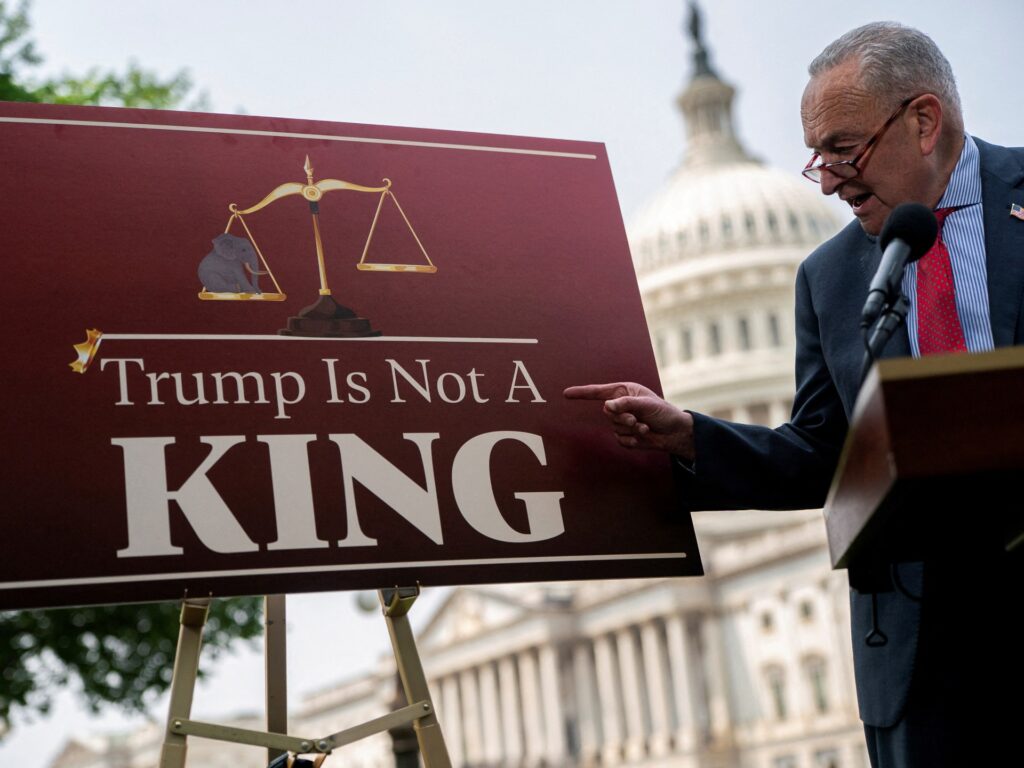
Democratic leaders have raised concerns about the constitutional implications of the strikes, pointing out that the President’s unilateral decision undermines the principle of checks and balances that is fundamental to US governance. They argue that without clear guidelines and formal approval, such military actions risk overstepping executive authority and dragging the country into prolonged conflicts without sufficient oversight.
In recent days, several lawmakers have proposed new bills aimed at reforming the War Powers Resolution, originally passed in 1973 to limit the President’s ability to commit US forces to armed conflicts without Congressional consent. Critics of the current framework note that it has been largely ineffective in preventing executive overreach and is in need of modernization to address contemporary geopolitical challenges.
Supporters of the strikes have defended the executive action as necessary for protecting US interests and responding swiftly to perceived threats emanating from Iran. However, the debate has highlighted differing views on the balance of power between the branches of government and the appropriate mechanisms for authorizing military force.
The issue has also resonated with the public and advocacy groups, many of whom are calling for greater transparency and accountability in decisions that could lead to war. The debate over the strikes on Iran thus encapsulates a broader conversation about the nature of American democracy, governance, and the responsibilities of elected officials in making decisions about war and peace.
As Congress prepares for upcoming sessions, it is expected that discussions on war powers legislation will intensify. Lawmakers are under pressure to craft policies that safeguard national security while also upholding the constitutional role of Congress in authorizing military action.
The situation remains dynamic, with continued developments likely as military, political, and legal experts weigh in on the implications of the strikes and the path forward for US war powers legislation. This ongoing debate will shape the contours of US foreign policy and legislative-executive relations for years to come.