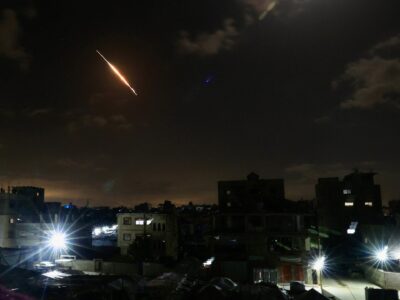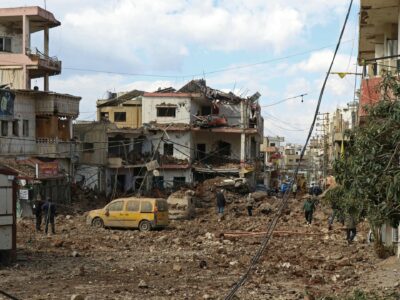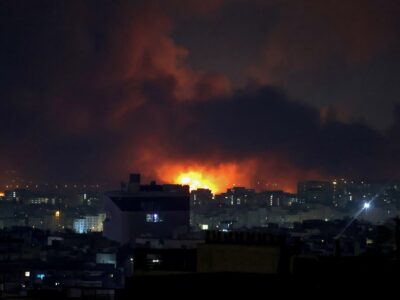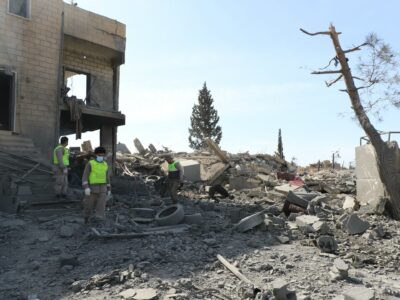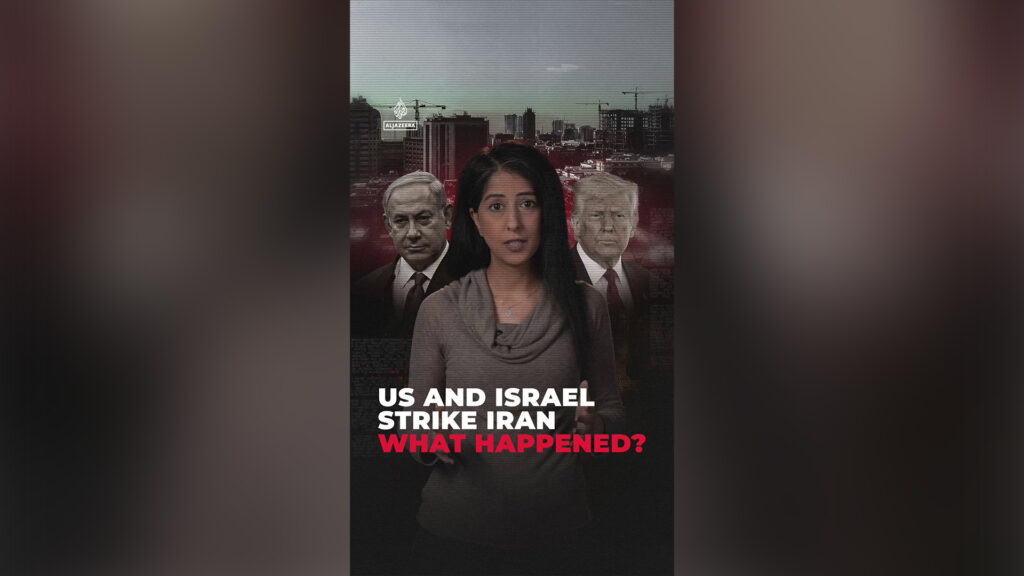
On Saturday, the United States and Israel conducted coordinated military strikes against Iran, targeting multiple locations across the country. This unprecedented joint operation marks a significant escalation in regional tensions and has far-reaching implications for Middle Eastern geopolitics.
The strikes reportedly targeted strategic military installations and infrastructure believed to be linked to Iran’s nuclear and missile programs. Official sources from both the US and Israel have confirmed the operation but have been cautious about revealing detailed information, citing security concerns.
Analysts suggest that the strikes were aimed at curbing Iran’s growing military capabilities, which both countries perceive as a direct threat to their national security. The move follows months of heightened tensions, including accusations of sabotage and proxy conflicts involving Iranian-backed groups.
The impact of these attacks has been immediate, with reports of damage to critical Iranian facilities. Casualty figures remain unclear, but local media sources have indicated injuries among personnel at the targeted sites.
International reactions to the strikes have been mixed. Some allies of the US and Israel have expressed support, viewing the offensive as a necessary step to prevent further escalation of conflict in the region. However, other global powers have called for restraint and urged both sides to return to diplomatic negotiations to avoid a wider war.
The Iranian government has condemned the strikes as an act of aggression and vowed to respond decisively. In statements released following the attacks, Iranian leaders called for unity among their population and reinforced their commitment to defending national sovereignty.
The situation remains fluid, with potential for further military responses or escalations. Diplomatic channels are reportedly active, with international mediators seeking to de-escalate tensions and prevent additional conflict.
This joint US-Israel strike on Iran represents a critical moment in ongoing regional conflicts. The immediate and long-term consequences of these actions will likely shape security and diplomatic dynamics in the Middle East for years to come. Observers are closely monitoring developments as they unfold, aware that the situation could rapidly evolve.
In summary, the coordinated strikes highlight the complexity of Middle Eastern geopolitics, where strategic interests, national security concerns, and alliances intersect. How Iran responds in the coming days will be vital in determining whether the region moves towards confrontation or dialogue.