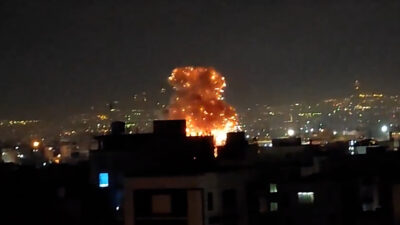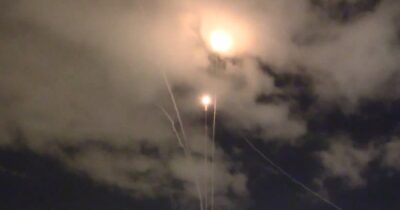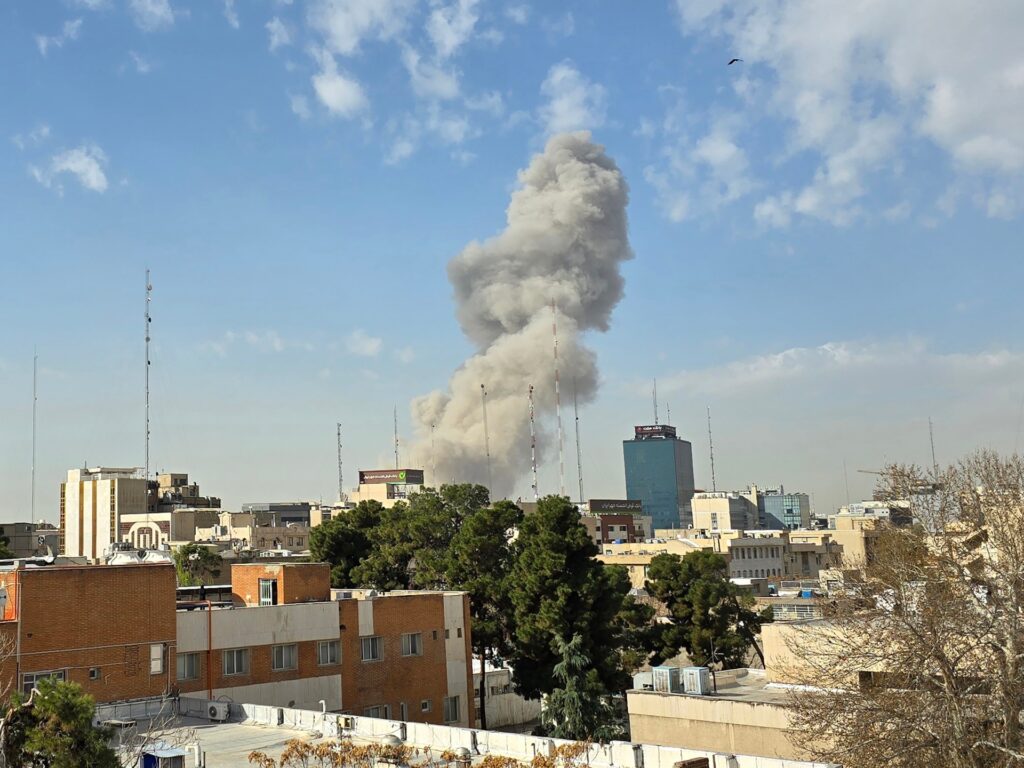
In a significant escalation of tensions in the Middle East, the United States and Israel have launched a coordinated military operation targeting Iran. According to a US official speaking to Al Jazeera, the attacks were conducted as a joint effort between the two allies, marking a rare instance of close military cooperation against Iranian targets.
The strikes have reportedly resulted in explosions not only within Iran but also in Israel and several Gulf Arab states, which are in close proximity to the conflict zones. The exact locations and scale of the explosions in these areas remain unclear, but the incidents have heightened fears of a broader regional conflict.
The operation represents a major development in the ongoing geopolitical struggle involving Iran, Israel, and the US, amid growing concerns about Iran’s nuclear program and regional influence. Israel, which has frequently expressed its determination to counteract Iran’s military capabilities, and the US, a long-standing ally, seem to be intensifying their efforts to curb Tehran’s power.
Officials have yet to release detailed information regarding the targets or the strategic objectives of the attacks. However, experts suggest that the joint operation underscores a shift toward more direct and coordinated military actions by the US and Israel in the region.
The involvement of Gulf Arab states, either as collateral damage or through direct incidents of explosions, adds another layer of complexity to the situation. These states have generally maintained a delicate balance in their relations with Iran, the US, and Israel, often acting as mediators or cautious participants in regional security arrangements.
The international community is closely monitoring the developments with mounting concern. There is widespread apprehension that the escalation could lead to a wider conflict, destabilizing the already volatile Middle East and affecting global peace and security.
Calls for restraint and dialogue are being made by various nations and international organizations to prevent further deterioration of the situation. Meanwhile, the people in the affected regions face uncertainty and anxiety as the ripple effects of the military operations continue to unfold.
This joint US-Israeli military action marks a critical juncture in the enduring and complex dynamics of Middle Eastern geopolitics, possibly reshaping alliances and strategies in the near future. Analysts will be watching closely how Iran responds and how the regional actors adjust to this new reality in the coming days and weeks.