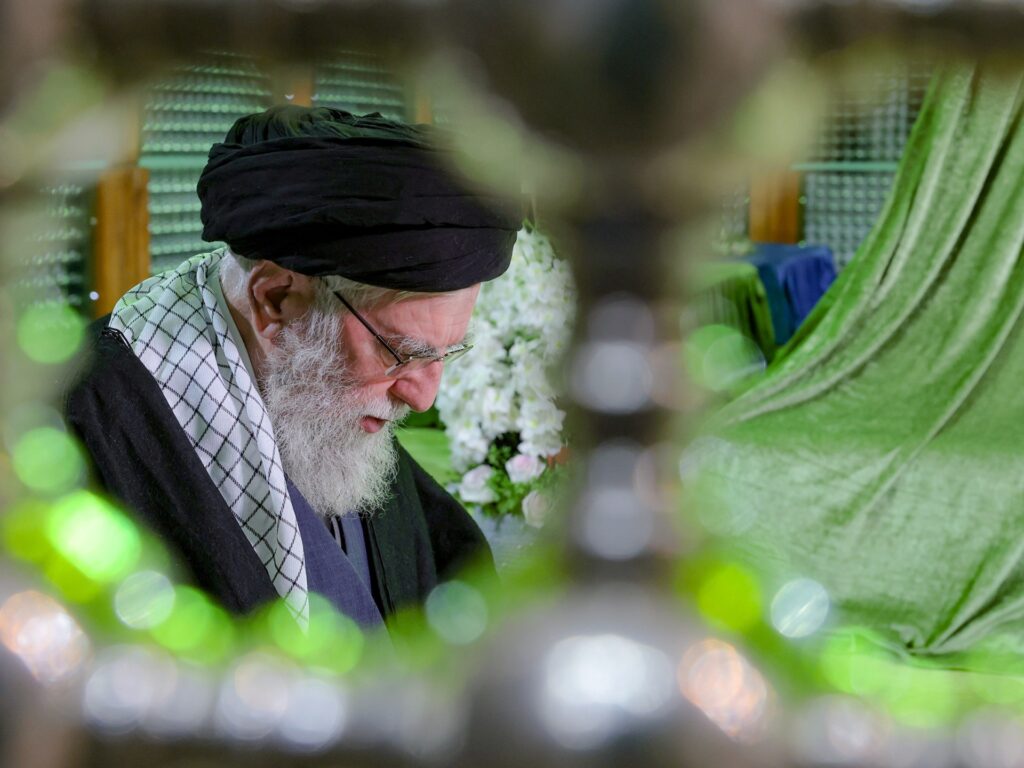
Iran’s Supreme Leader Ayatollah Ali Khamenei is one of the most powerful and influential figures in Iranian politics and religious life. Since becoming Supreme Leader in 1989 following the death of Ayatollah Ruhollah Khomeini, Khamenei has held ultimate authority over all branches of government, the military, and media in Iran. This position makes him the highest-ranking political and religious authority in the country.
Khamenei’s leadership has been marked by a commitment to maintaining the Islamic Republic’s theocratic governance system and resisting Western influence. He is viewed by supporters as a guardian of the revolution’s principles, but by critics as an authoritarian figure responsible for suppressing dissent and limiting freedoms. His leadership style and policies have frequently been contentious both domestically and internationally.
The Supreme Leader controls key elements of the state including the military, the judiciary, and the media. His decisions shape Iran’s foreign policy, nuclear program, and regional involvement. This considerable power makes him a central figure in global geopolitical matters, especially with the West, given longstanding sanctions and tensions related to Iran’s nuclear ambitions and involvement in regional conflicts.
Khamenei is considered a possible target by opposition groups and external adversaries due to his position as the symbol and architect of the current regime’s authority. Calls by figures like former US President Donald Trump to overthrow the Iranian government highlight the perception of Khamenei as a key obstacle to change in Iran. Trump’s statements, including saying Khamenei should be ‘very worried,’ reflect the high stakes of political confrontation between the US and Iran and the hope among some that removing Khamenei could lead to regime change.
Inside Iran, the Supreme Leader’s role incites strong emotions; he is revered by many for his defense of Iran’s sovereignty but also blamed by others for economic difficulties and restrictions on freedoms. Protests and dissent often focus on his leadership, making him a central figure in ongoing tensions within Iran.
Internationally, targeting Khamenei as a figurehead represents an attempt to undermine the regime’s legitimacy and strategic direction. However, his deep entrenchment in the country’s political and religious structure means any changes in his status could lead to significant instability, with unpredictable consequences for Iran and the wider region.
In summary, Ayatollah Ali Khamenei’s role as the Supreme Leader places him at the heart of Iran’s political, religious, and military apparatus. His influence and leadership make him both a powerful figure domestically and a focal point in international conflicts. The calls by foreign leaders urging Iranians to overthrow their government underscore the complex and high-stakes nature of his position, framing him as a possible target due to his symbolic and practical control of Iran’s current regime.