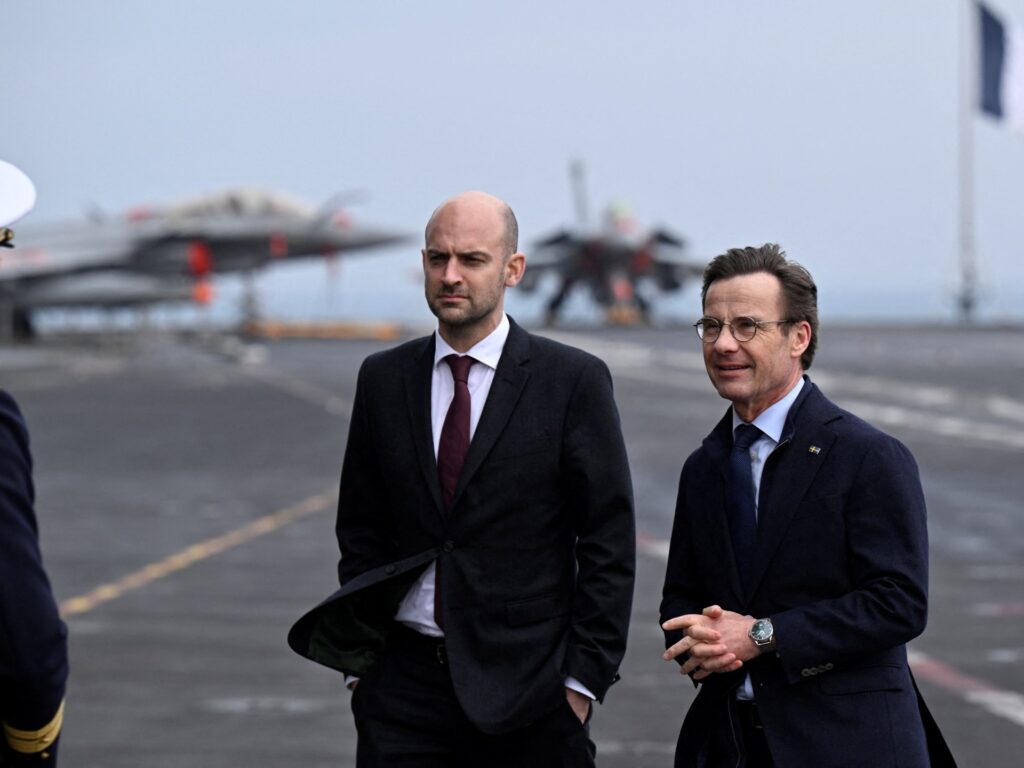
In a significant maritime security incident, Swedish forces intercepted a drone launched from a Russian vessel near a French aircraft carrier visiting Swedish waters. This event has raised concerns about increased military tensions in the region.
The Swedish military confirmed that the drone was detected and successfully disrupted before it could pose any threat to the French carrier. The French aircraft carrier was on a scheduled visit to Sweden, symbolizing defense cooperation between the two nations.
According to Swedish defense officials, the drone launched from a nearby Russian ship was identified promptly by surveillance systems. The Swedish forces acted swiftly to neutralize the potential threat, highlighting their readiness and capability in protecting allied vessels and maintaining security in their territorial waters.
This incident marks a rare and provocative interaction between Russian military assets and NATO-member allied forces operating in the Baltic Sea region. The Baltic has been a hotspot for geopolitical tensions, with increased military activity from Russia causing unease among European nations.
Sweden, although not a NATO member at the time of the incident, has been strengthening defense ties with Western allies, including France. The interception of the drone underscores the volatile nature of the Baltic Sea security environment and the challenges faced by regional security forces.
Defense analysts suggest that the Russian deployment of drones near foreign naval vessels may be part of a broader strategy to gather intelligence and exert pressure on NATO-aligned countries participating in joint military exercises and cooperative defense postures.
The French government expressed strong support for Sweden’s actions and emphasized the importance of maintaining freedom of navigation and the security of allied naval operations. French naval commanders aboard the carrier praised the Swedish response and reiterated their commitment to collaborative security efforts in the region.
Sweden’s Ministry of Defence has called for calm and continued vigilance, stating that such incursions are unacceptable and that measures will be taken to ensure territorial integrity and the safety of visiting allied forces.
International observers view this interception as a clear signal of the ongoing tensions between Russia and European nations, reflecting broader geopolitical struggles affecting security dynamics across northeastern Europe.
The incident is prompting discussions within NATO about enhancing maritime surveillance and coordinated response capabilities to counteract similar provocations in the future. As tensions persist, the Baltic Sea is likely to remain a focal point for military and diplomatic activity.
In conclusion, Sweden’s successful interception of a Russian drone near a French aircraft carrier highlights the delicate balance of power and the importance of vigilant defense operations in a strategically critical region. The incident serves as a reminder of the complex security challenges facing nations in the Baltic Sea and beyond, stressing the need for strong international partnerships and readiness.
Further developments are expected as Sweden and its allies assess the situation and consider appropriate diplomatic and military responses to maintain regional stability and deter future provocations.