As the holy month of Ramadan unfolds in the city of Aden, Yemen, a tentative sense of optimism is palpable among its residents. After years of conflict that have deeply scarred the city, recent efforts by the Yemeni government to stabilize Aden have shown some positive results. However, this cautious hope is overshadowed by ongoing challenges that underline the city’s fragile state.
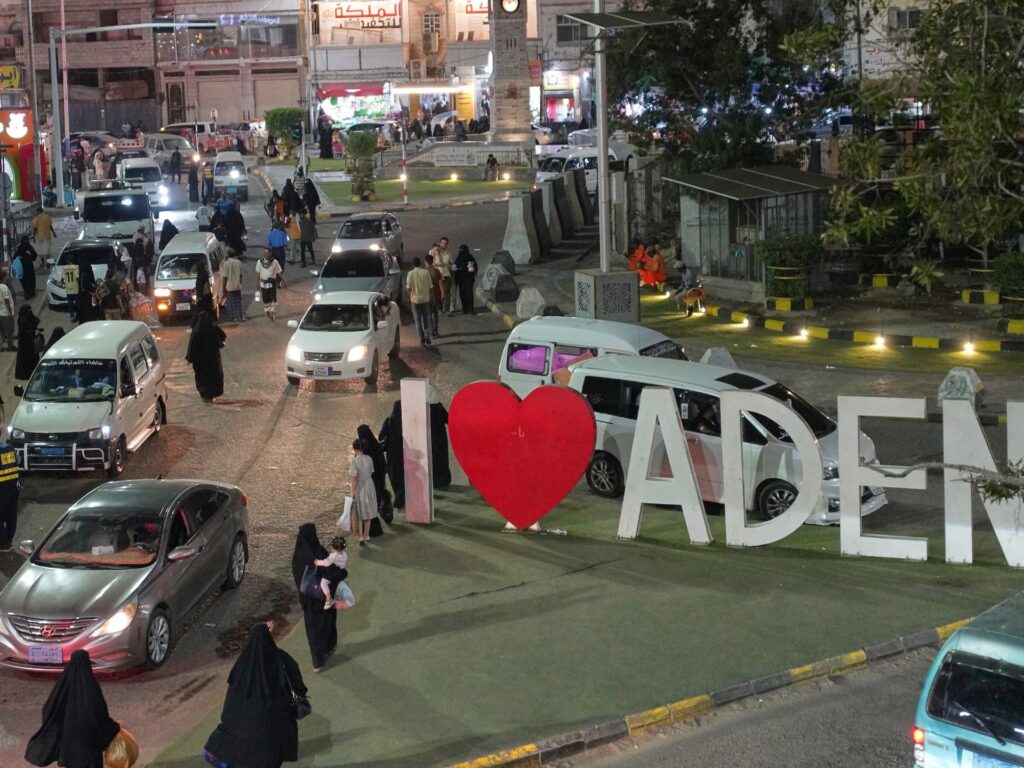
In recent months, the Yemeni government, with support from allied groups, has managed to restore a degree of control in Aden. This has enabled a semblance of daily life to resume, with markets reopening, mosques filled with worshippers, and families gathering for traditional iftar meals after fasting. These developments mark a departure from the widespread disruption and insecurity that previously defined the city.
Despite these advancements, Aden remains a city wrestling with significant hardships. Food and fuel shortages are reportedly widespread, complicating the preparation for and observance of Ramadan. Many residents complain about the scarcity of essentials and the soaring prices that the current supply constraints have brought about. The hardships are felt acutely during Ramadan, a month that emphasizes charity, community gathering, and spiritual reflection.
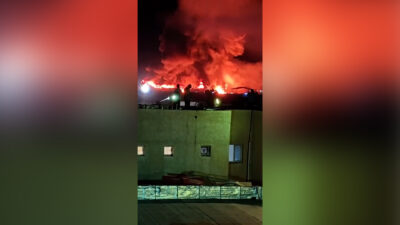
Moreover, tensions between rival militias and factions are a persistent undercurrent in Aden. Clashes, though less frequent than in the recent past, continue to erupt sporadically, undermining confidence in the government’s ability to ensure lasting peace. These skirmishes disrupt the fragile stability and sometimes trap civilians in the crossfire, adding layers of anxiety during what is supposed to be a sacred and peaceful period.
Humanitarian organizations operating in Aden report that while access to the city has improved, delivering aid remains challenging due to security risks and logistical hurdles. They stress that ongoing support is crucial to prevent the fragile gains from being reversed and to help vulnerable populations cope with the ongoing crisis.
The situation in Aden during Ramadan reflects the broader Yemeni conflict’s complexities, where pockets of hope coexist with enduring sufferings. The government’s strides towards regaining control and improving conditions are commendable but reveal the immense work still needed to achieve sustainable peace and stability.
As the fasting days progress, Adenis continue to pray for peace, stability, and the easing of shortages. The month of Ramadan, with its message of unity and renewal, remains a beacon of hope for many in this troubled city. Yet, until the root causes of conflict are addressed and basic needs secured, the optimism during this holy month remains tempered by the realities on the ground.
In conclusion, Ramadan in Aden is a period marked by a complex interplay of hope and hardship. The government’s efforts to stabilize the city are a step forward, but the persistence of shortages and sporadic violence underscore the fragility of the current peace. The residents of Aden face the holy month with resilience and faith, hoping for a better future amidst uncertain times.