Tensions in the Middle East have escalated as the United States and Israel launched coordinated attacks on Iranian targets, prompting a series of retaliatory missile strikes from Tehran against Israel and Gulf states. The complex web of hostilities marks a critical point in the volatile relations between these nations.
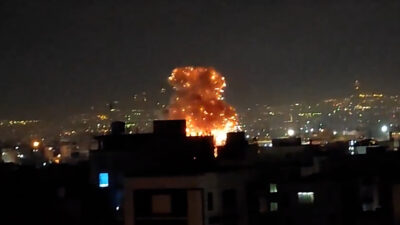
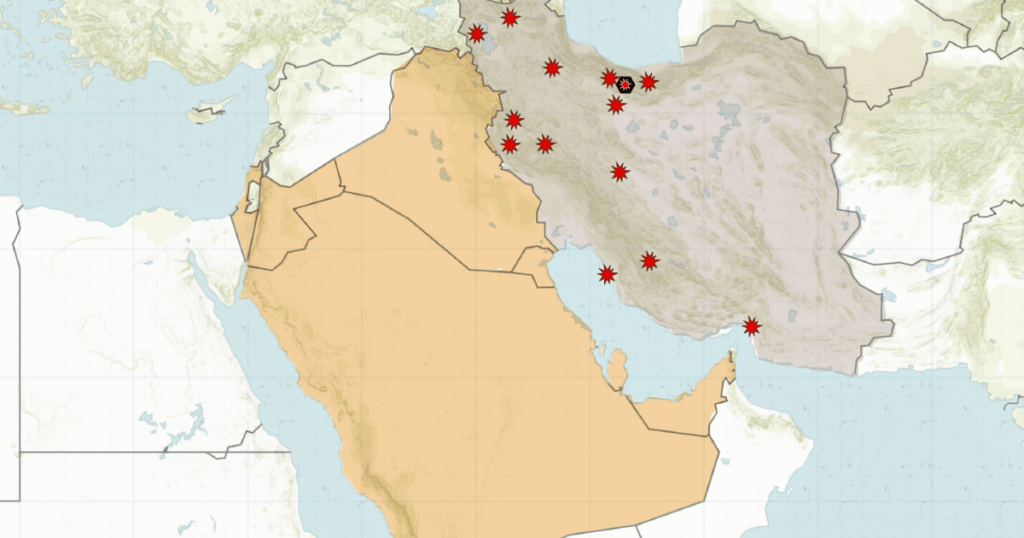
The initial strikes by US and Israeli forces targeted key military and strategic locations within Iran believed to be involved in advancing the country’s missile programs and regional influence. The attacks reportedly included drone strikes and air raids designed to degrade Iran’s military capabilities.
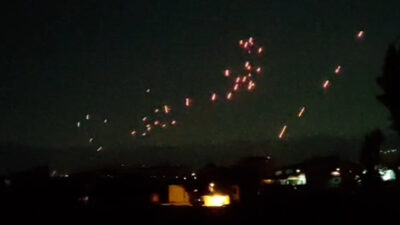
In response, Iran swiftly carried out missile attacks directed at Israel and several Gulf Cooperation Council (GCC) member states. These strikes aimed to demonstrate Iran’s capacity to retaliate and deter further aggression. Iranian officials justified their actions as defensive measures against the aggression from the US and Israel.
Mapping the attacks shows a pattern of escalation: the US and Israel sought to cripple Iran’s infrastructure that supports hostile activities, while Tehran’s missile launches targeted both military installations and cities in Israel and Gulf states, signaling a shift in their strategic approach.
The geopolitical implications of these strikes are severe. The Gulf states, many of which have recently bolstered ties with Israel, find themselves on the frontline of Iran’s ballistic missile reach. Meanwhile, Israel faces persistent threats that disrupt civilian life and pose challenges to its national security.
International reactions have largely called for restraint and a de-escalation of hostilities. However, the hardened stance from both sides suggests a prolonged period of conflict might be on the horizon. The US has reaffirmed its commitment to allies in the region, while Iran vowed to continue defending its sovereignty and interests.
Analysts warn that the missile exchanges could spark further confrontations, potentially drawing in proxy groups and other regional powers. The risk of miscalculation remains high, raising concerns about a broader conflict that could engulf the Middle East.
The ongoing attacks and retaliations have also disrupted global energy markets, as the Gulf is a critical route for oil exports. Instability in this region tends to escalate oil prices, affecting the global economy.
Efforts by international mediators to open dialogue channels between the parties have so far been unsuccessful. Security experts emphasize the need for diplomatic solutions to prevent further bloodshed and stabilize the region.
In summary, the recent US and Israeli attacks on Iran and Tehran’s missile retaliations mark a dangerous escalation in Middle East tensions. The cycle of violence not only threatens regional stability but also global peace and security, underscoring the urgent need for careful diplomacy and conflict resolution.