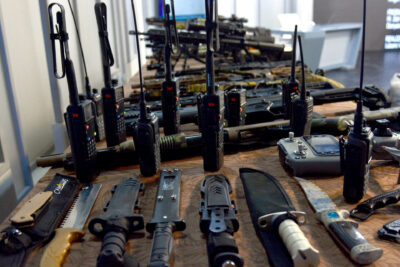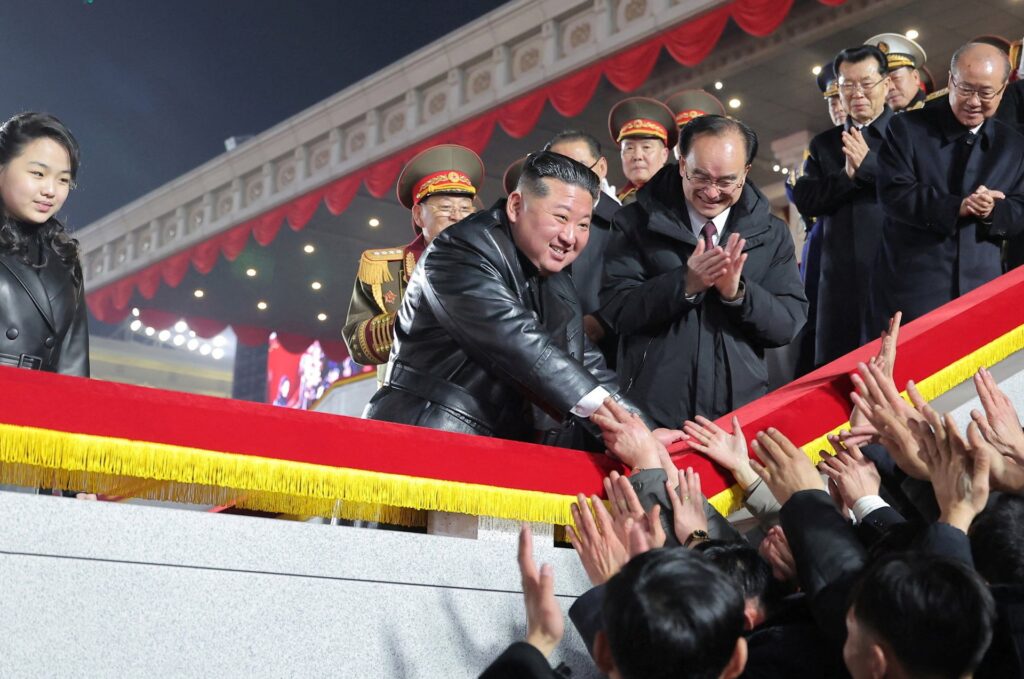
In the wake of the recent North Korean party congress, a notable development has caught the attention of international observers and analysts: Kim Jong Un, the Supreme Leader of North Korea, has presented rifles as gifts to senior officials and notably to his daughter. This action has reignited discussions and speculations about the future leadership of the isolated nation.
During the congress, which serves as a pivotal political event, Kim Jong Un showcased his strategic vision and consolidated his grip on power. However, the subsequent gifting of rifles, symbolizing authority and military readiness, to key figures in the party and government hierarchy has deeper implications.
Among the recipients, Kim’s daughter has been increasingly visible in public appearances, sparking rumors that she may be in the process of being groomed for a leadership role. Her emerging prominence stands out in a regime historically dominated by male leaders and dynastic succession.
The symbolism of gifting rifles is significant within the context of North Korea’s militarized society and political culture. It conveys trust and confidence, possibly signaling a transfer or expansion of influence within the ruling family and elite.
Analysts suggest that Kim Jong Un’s gesture could be a deliberate move to establish his daughter’s legitimacy and authority, preparing domestic and international audiences for a future where she plays a central role in governance.
This development raises questions about the future direction of North Korea’s leadership and the potential implications for regional stability and international relations. If Kim’s daughter is indeed being positioned as a future leader, it marks a notable shift in the country’s political landscape.
The regime’s opaque nature makes it difficult to confirm these speculations, but the increased visibility of Kim’s daughter and symbolic acts such as these gifts are hard to ignore.
Observers will continue to monitor North Korea closely, watching for further signs of succession planning and shifts within the ruling elite that could impact the geopolitical dynamics of East Asia.
The implications extend beyond leadership succession to suggest evolving strategies within North Korea’s governance, perhaps aiming to consolidate power and ensure regime continuity amid a complex international environment.
As North Korea moves forward from the party congress, the world watches to see how these symbolic gestures translate into concrete political changes in the near future.