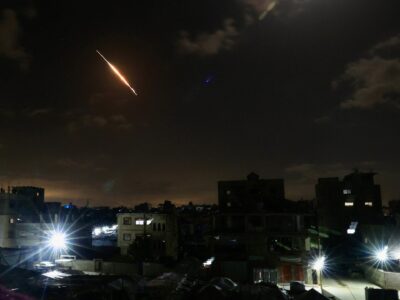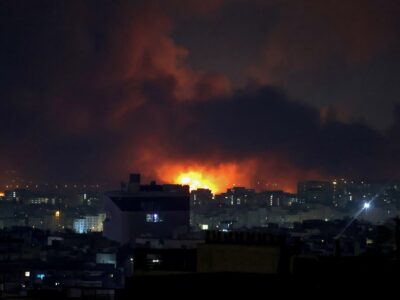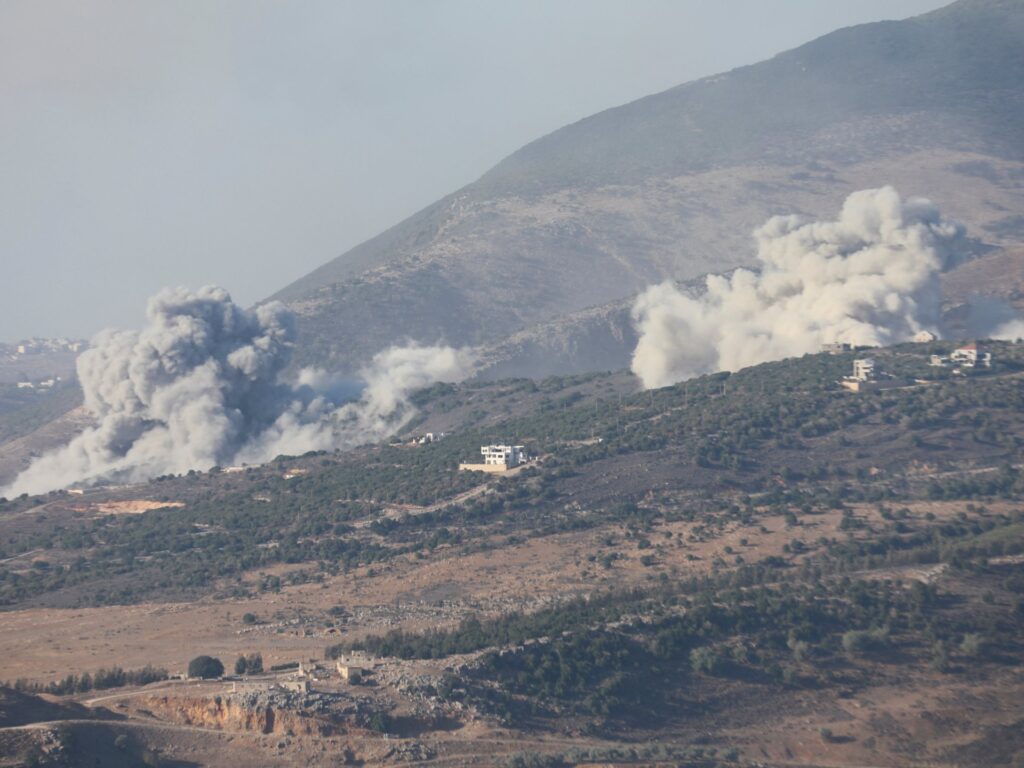
In recent developments, the Israeli military has conducted airstrikes targeting southern Lebanon’s al-Tuffah region and the nearby area of Markaba. According to official statements from Israel, these strikes are aimed at dismantling Hezbollah militant sites believed to be responsible for ongoing security threats.
The region of al-Tuffah, situated in southern Lebanon, has been a focal point of tension between Israel and Hezbollah for several years, with the latter considered a significant militant group by Israel and its allies. The Israeli military’s current operations claim to focus specifically on reducing Hezbollah’s capacity to launch attacks from these areas.
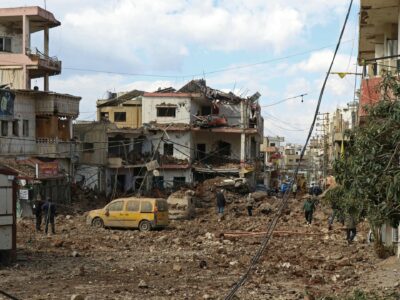
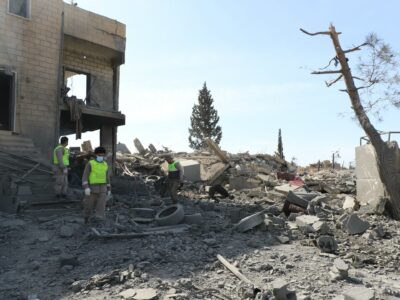
However, reports have emerged indicating that these attacks have not only hit alleged Hezbollah facilities but have also affected civilian areas and critical infrastructure within these regions. Locals have reported damage to residential buildings, power lines, and roads, raising concerns about the humanitarian impact of the military campaign.
The situation adds to the already volatile context in southern Lebanon, a region that has experienced repeated rounds of conflict between Hezbollah and Israel over the past decades. The presence of Hezbollah entrenches a complex security challenge given its deep integration in Lebanese society and its military capabilities.
International observers and humanitarian agencies have stressed the importance of protecting civilians and avoiding targeting non-military infrastructure in line with international law. The repeated impact on civilian populations underscores the risks of escalation and the human cost of the conflict.
The strikes in al-Tuffah and Markaba represent a continuation of Israel’s broader strategy to curb Hezbollah’s influence and operational capabilities along its northern border. Israeli officials have maintained that these preemptive attacks are necessary to ensure national security and prevent further cross-border threats.
Meanwhile, the Lebanese government faces pressure to respond to the damage and to manage the heightened tensions in the south. Diplomatic efforts have also intensified regionally and internationally to prevent the conflict from spiraling into a wider confrontation.
Residents in the affected areas have expressed fear and uncertainty as the strikes disrupt daily life and threaten the fragile peace that has prevailed intermittently in the border zones. The repeated targeting of infrastructure critical to civilian life has led to calls from various quarters for immediate ceasefire talks and renewed peace negotiations.
As the situation develops, monitoring agencies continue to document the effects of the strikes on both military targets and civilian populations. The evolving conflict underscores the ongoing complexities of the Israel-Hezbollah relationship and the broader geopolitical dynamics in the Middle East.
The situation remains tense, with potential implications for regional stability and the humanitarian situation in southern Lebanon. Efforts to contain the conflict and protect civilians remain paramount as stakeholders seek diplomatic solutions amidst ongoing military actions.