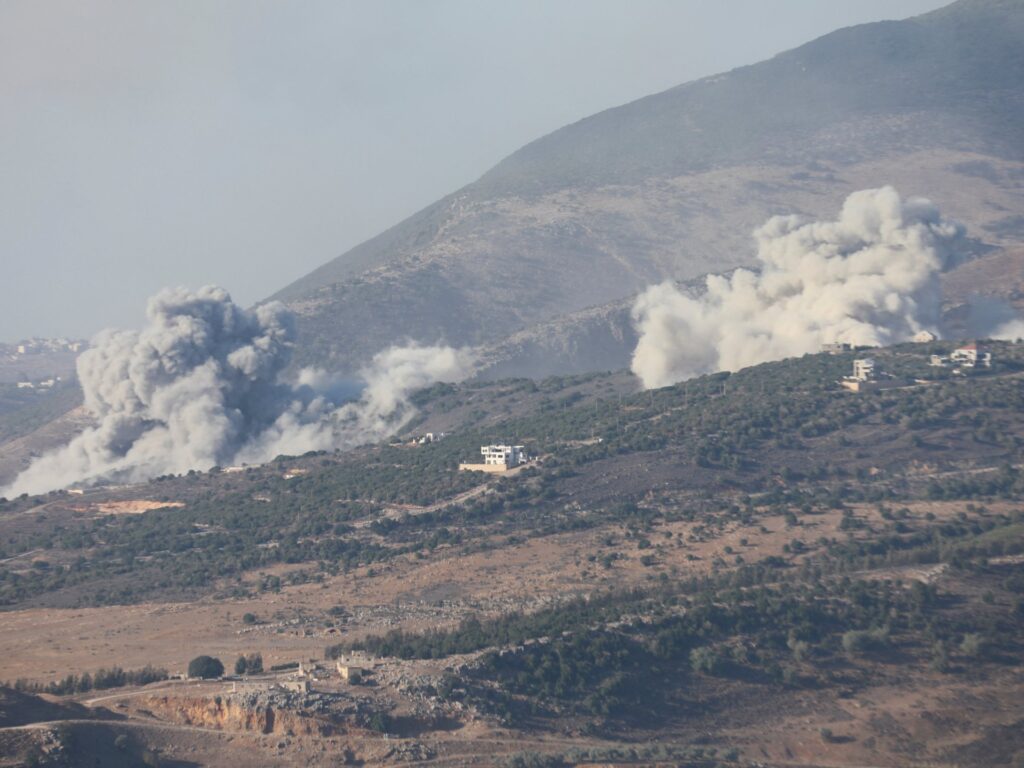
In the latest developments from the volatile border region, the Israeli military has launched a series of attacks targeting southern Lebanon. Official statements from the Israeli Defense Forces (IDF) indicate that the strikes are intended to target Hezbollah sites, a militant group based in Lebanon regarded by Israel as a significant security threat.
However, the operations have sparked grave concerns as multiple reports have emerged of civilians and civilian infrastructure being hit amidst the military strikes. These incidents represent a troubling escalation in an area that has been fragile under the existing ceasefire agreements.
The ceasefire, fragile at best, was established to quell frequent outbreaks of violence between Israel and Hezbollah, but the recent attacks underscore the precariousness of peace in the region. The IDF claims their operations are precise and aimed strictly at militant targets, yet witnesses and various humanitarian organizations on the ground have documented repeated damage to residential areas, medical facilities, and transportation infrastructure.
Southern Lebanon, long a flashpoint in Israeli-Lebanese tensions, has endured repeated clashes over the past decades. The resurgence of hostilities this time around threatens to spiral into a broader conflict, risking civilian safety and regional stability.
Local Lebanese authorities have condemned the attacks, decrying the harm to innocent civilians and calling for an immediate cessation of hostilities. International bodies and actors, including the United Nations, have also expressed alarm, urging both parties to respect the ceasefire and engage in diplomatic efforts to de-escalate tensions.
Human rights organizations have highlighted the dangers of continued military actions in populated areas, emphasizing the need for all parties to adhere to international humanitarian laws designed to protect non-combatants.
The impact on the civilian population in southern Lebanon is profound, with thousands reportedly displaced, infrastructure damaged, and essential services disrupted. The psychological toll on communities already traumatized by years of conflict cannot be underestimated.
The Israeli military’s focus on Hezbollah is underscored by the group’s history of launching attacks on Israeli territory from southern Lebanon, which Israel cites as justification for its military actions. Hezbollah’s military capabilities and entrenched presence in the southern regions make any peaceful resolution difficult and highly volatile.
This latest round of attacks reveals the complexities and enduring tensions that define Israeli-Lebanese relations. The repeated ceasefire violations jeopardize prospects for long-term peace and stability in the region.
Analysts warn that without renewed diplomatic engagement and respect for international agreements, the cycle of violence is likely to continue, further endangering civilians and destabilizing the broader Middle East.
As the situation unfolds, diplomatic efforts by regional and global powers will be critical in mitigating further escalations. The international community’s role in facilitating dialogue and ensuring compliance with ceasefire terms remains essential.
For now, southern Lebanon remains a tinderbox, with residents facing uncertainty and danger amid the ongoing conflict. The imperative for restraint and peaceful resolution is more urgent than ever. This latest episode serves as a stark reminder of the fragile state of peace in the region and the devastating consequences when it is broken.