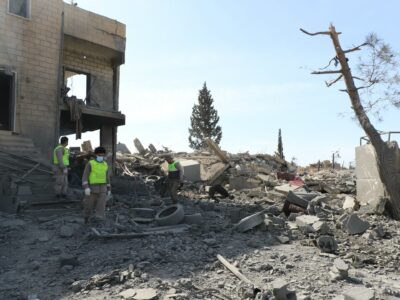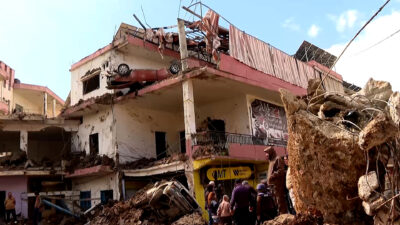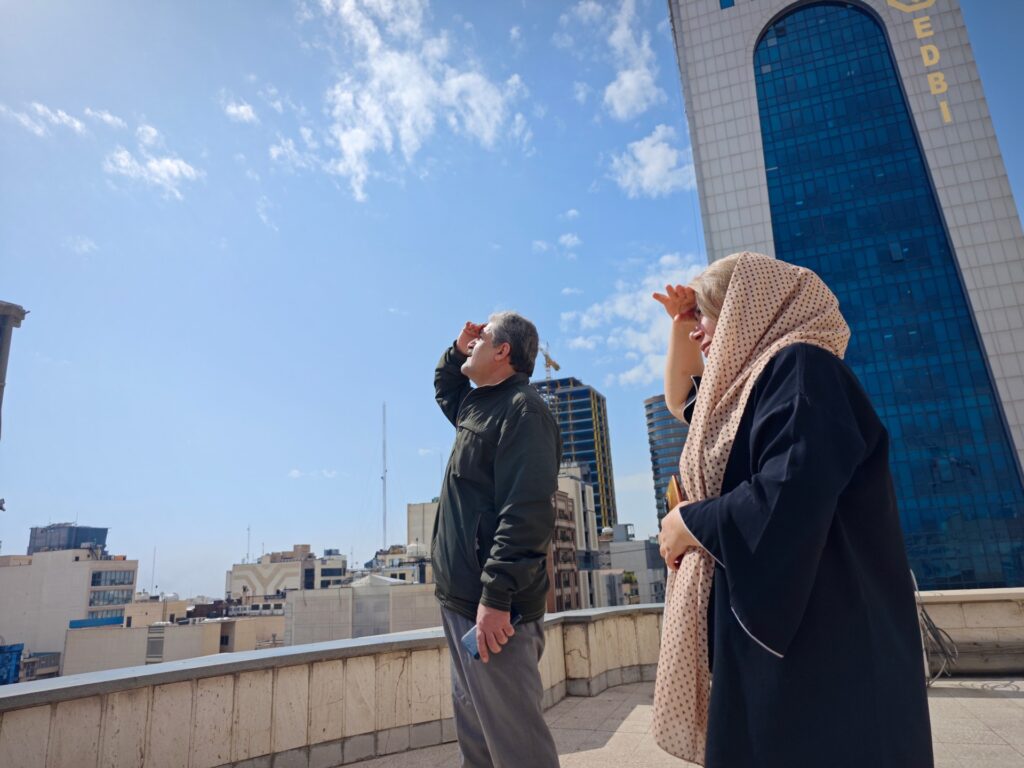
Amid intensifying conflict marked by continuous bombings and military actions, civilians in Iran find themselves caught in a challenging maze of conflicting directives issued by officials from Iran, the United States, and Israel. These conflicting messages have heightened confusion and uncertainty among the civilian population, making it difficult for them to comprehend the evolving situation and respond effectively.
The tension in the region has been further complicated by a significant reduction in communication channels. Iran has experienced an extensive internet shutdown combined with severely limited mobile connectivity. This blackout has severely restricted the flow of information, leaving many Iranians isolated and unable to access real-time updates or emergency instructions.
Iranian officials have issued statements and safety guidelines urging citizens to take specific precautions to protect themselves from ongoing attacks. At the same time, representatives from the US and Israel have also provided their own sets of recommendations and warnings, which sometimes contradict local directives. The resulting clash in messaging has led to widespread confusion among residents trying to navigate the crisis.
This information vacuum has exacerbated the sense of vulnerability and fear among civilians. With limited access to verified information, many residents have turned to social media and informal communication networks, which occasionally spread unconfirmed or misleading updates. The uncertainty has complicated efforts by humanitarian organizations aiming to provide aid and support to those affected by the conflict.
International observers and human rights groups have expressed concern over the internet shutdown’s impact on civilian safety and the ability to communicate during emergencies. They emphasize that clear, consistent communication is essential to protect civilians and facilitate coordinated response efforts.
As the bombings continue and the geopolitical tensions show no sign of abating, the situation remains precarious for ordinary Iranians. The conflicting directives highlight the broader challenges of misinformation and disinformation during conflict situations, underscoring the critical need for reliable communication channels and coordinated messaging in times of crisis.
Efforts are underway by some international bodies to advocate for the restoration of communication infrastructures and to encourage all parties involved to provide unified, clear information to civilians. Meanwhile, the Iranian population remains caught in the crossfire of conflicting commands and an information blackout, struggling to make sense of a rapidly deteriorating security landscape.