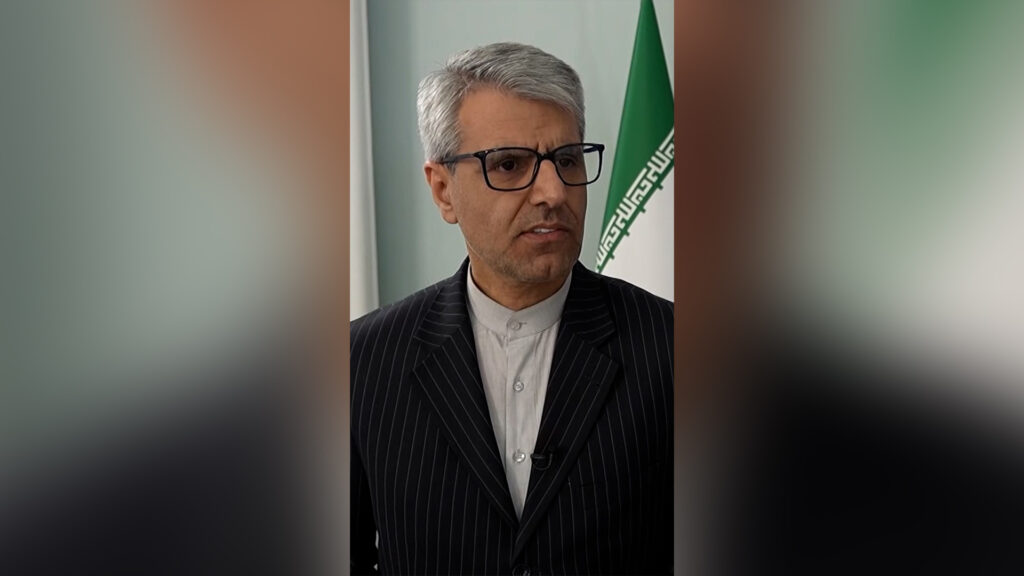
In a recent statement, the Iranian Foreign Ministry spokesman accused the United States of betraying diplomacy for the second time in less than a year. This declaration reflects Iran’s growing frustration with the US government’s handling of international negotiations and diplomatic relations, particularly concerning agreements and treaties relevant to Iran’s interests.
The spokesman emphasized that diplomatic efforts, which require trust and cooperation, have been undermined by actions perceived as betrayals by the US. Such statements underscore the tension between Iran and the US, which has seen fluctuations in their diplomatic engagements over the past years.
This accusation comes amid ongoing disputes over nuclear agreements, sanctions, and regional stability issues in the Middle East. The Iranian official’s remarks suggest a deep skepticism about the reliability of US commitments and a call for more consistent and respectful diplomatic practices.
Analysts see this development as part of a broader pattern of strained US-Iran relations, which have seen moments of hope dashed by sudden policy shifts and strategic decisions. The comments also highlight the challenges faced by diplomats in achieving lasting agreements when trust is repeatedly compromised.
The international community watches closely as these exchanges unfold, aware that sustained diplomacy is crucial for peace and stability in a region fraught with conflicts and geopolitical rivalries. The Iranian Foreign Ministry’s stance serves as a reminder of the delicate balance required to maintain constructive dialogues and the repercussions when that balance is disturbed.
Efforts to revive talks and negotiate terms favorable to all parties continue, but the accusations of betrayal cast a shadow over these endeavors, complicating the path to mutual understanding and cooperation. As the situation develops, the roles of mediators and third-party countries may become increasingly important in bridging divides and fostering renewed trust.
Overall, the Iranian statement is a significant indicator of the current diplomatic climate between Tehran and Washington, reflecting deep-seated grievances and the urgent need for a more reliable and consistent approach to international diplomacy.