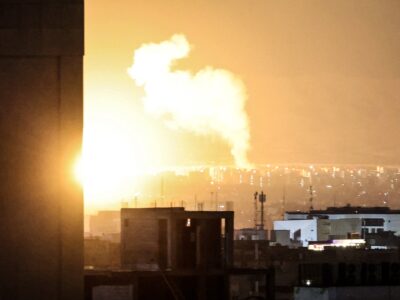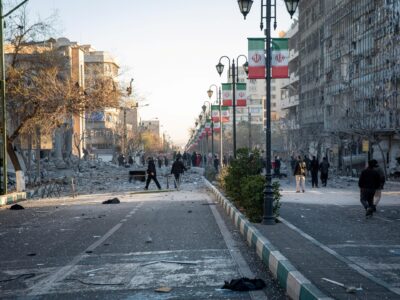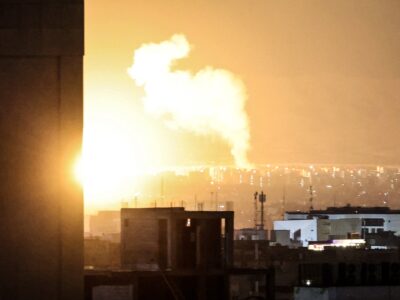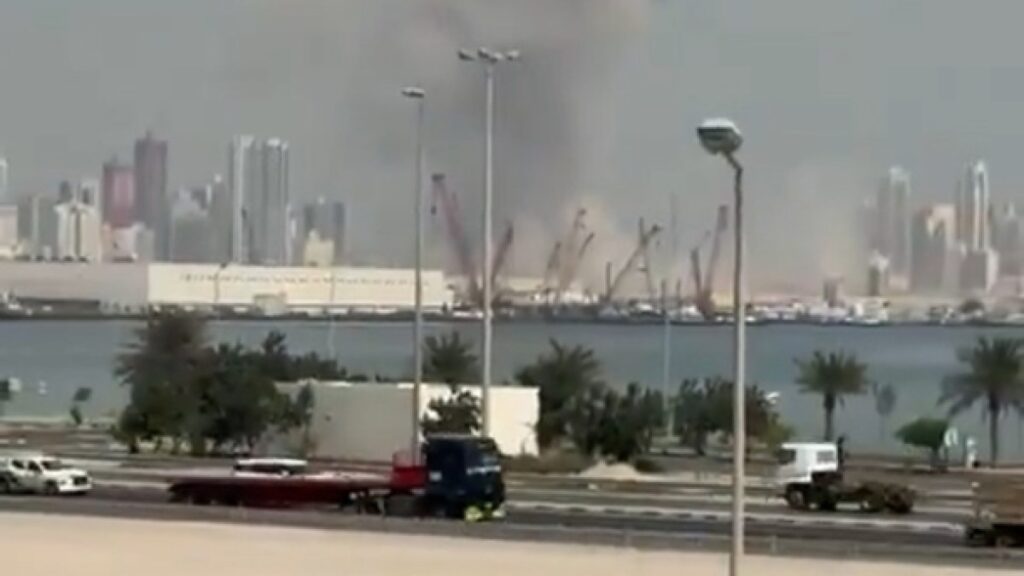
In a dramatic escalation of tensions in the Gulf region, Iran launched a strike against a US military base located in Bahrain. The attack was marked by plumes of smoke billowing into the sky, signaling significant damage and triggering alarm across the strategic area. This event follows recent Israeli and US military actions across Iran, contributing to a volatile and rapidly deteriorating security situation.
The targeted base, a critical hub for US operations in the Gulf, was hit by several missile strikes launched by Iranian forces. Explosions were heard for miles, and eyewitnesses reported seeing flames and thick black smoke rising from the site. The timing of the attack coincides with an ongoing campaign of airstrikes conducted by Israel and the United States over Iranian territory, underscoring the escalating tit-for-tat exchanges in the region.
Bahrain, hosting a key segment of the US Fifth Fleet, plays a vital role in American naval strategy within the Persian Gulf. The base serves as a logistical and intelligence center for US operations aimed at countering Iranian influence and securing critical maritime routes. Iran’s decision to target a US military installation in Bahrain marks a significant escalation, reflecting Tehran’s growing willingness to confront US military presence directly.
The strikes have raised concerns among regional and global security experts about the potential for further conflict. The Gulf region, already fraught with geopolitical tensions due to longstanding disputes, economic sanctions, and proxy conflicts, now faces the risk of direct military confrontations involving major powers.
Following the attack, US military officials confirmed the strike but have yet to provide detailed assessments of casualty numbers or material damage. US President and military command are reviewing the situation to decide on possible responses, with diplomatic channels reportedly working overtime to de-escalate tensions.
The incident has drawn widespread international condemnation, with calls for restraint from the United Nations and multiple countries advocating dialogue over military action. NATO and allied nations have expressed support for maintaining stability in the Gulf, emphasizing the necessity of protecting international shipping lanes and oil supplies.
Iran, on the other hand, has framed its strike as a retaliation against the coordinated Israeli-US air attacks that targeted infrastructure within Iran this week. Iranian state media described the operation as a “defensive response” to foreign aggression, vowing to continue protecting national sovereignty against external threats.
Local Bahrain authorities declared heightened security measures around the base and nearby strategic locations, fearing additional attacks. The government also appealed for calm among citizens amid concerns of further escalation.
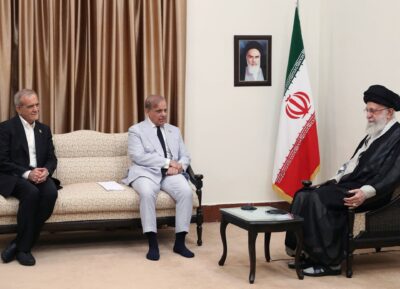
This development is likely to impact ongoing diplomatic efforts aimed at reviving stalled nuclear talks with Iran. The increased hostilities complicate negotiations and add layers of uncertainty to an already fragile regional peace process.
Historically, the Gulf has served as a flashpoint for US-Iran tensions, with frequent confrontations involving naval forces, proxy militias, and cyber warfare. The recent escalation marks one of the most direct Iranian military actions against US personnel in a forward base within a close allied state.
Analysts suggest that the strike could be a demonstration of Iran’s strategic capabilities and resolve, intended to warn the United States and its allies against further military incursions. Simultaneously, the move risks provoking a hardened US military response that could spiral into a larger regional conflict.
The situation remains fluid, and the international community is watching closely as leaders in Washington, Tehran, and Gulf states consider their next moves. Military readiness has been increased on all sides, and calls for urgent diplomatic engagement have never been more critical.
In conclusion, the Iranian missile strike on the US military base in Bahrain represents a significant escalation in Gulf tensions and poses serious challenges to regional security and stability. It underscores the high stakes involved in the complex web of alliances and enmities that define Middle Eastern geopolitics today. The coming days and weeks will be crucial in determining whether diplomacy can prevail or if the region will descend further into conflict.