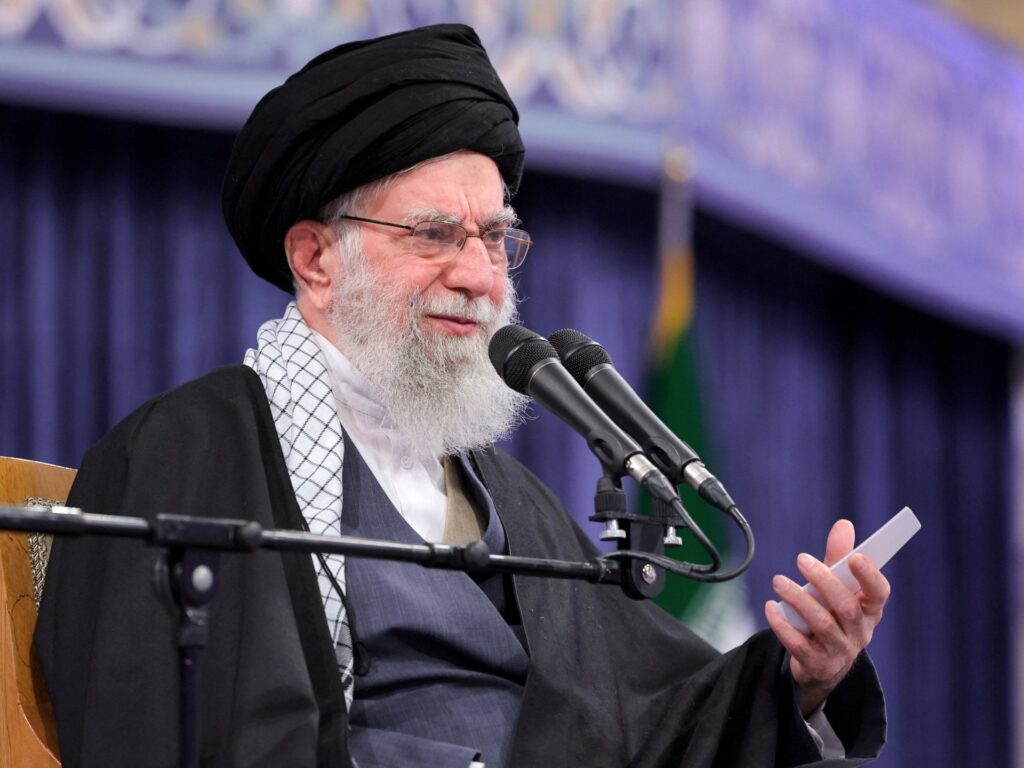
In a significant and shocking development, Iranian state television has confirmed the death of Supreme Leader Ayatollah Ali Khamenei following attacks attributed to both Israeli and United States forces. According to official reports broadcast on state media, the Supreme Leader was killed during coordinated airstrikes targeting strategic locations within Iran. This historic announcement marks one of the most critical moments in contemporary Iranian history.
Following the confirmation of Khamenei’s death, the Iranian government declared a 40-day period of national mourning. This is a traditional way to honor and grieve the passing of such a prominent religious and political figure, reflecting the deep impact of his leadership on the nation. The mourning period will likely involve numerous public ceremonies, prayers, and other rituals observed all across the country.
Khamenei, who had been in power since 1989, was regarded as the ultimate authority in Iran’s political and religious spheres. His leadership was marked by a firm stance against Western influence, especially directed at the United States and Israel, and he played a pivotal role in shaping Iran’s foreign and domestic policies over the decades.
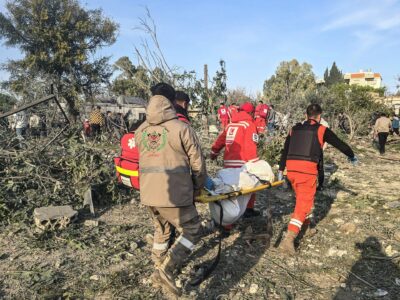
The attacks that reportedly led to Khamenei’s death come amid escalating tensions between Iran, Israel, and the United States. In recent months, there have been several incidents of military engagements, cyber warfare, and diplomatic conflicts, highlighting the fragile and volatile situation in the region.
Details surrounding the exact location and circumstances of the strikes remain sparse, but initial reports suggest multiple coordinated missile or drone attacks hit key military and governmental facilities. Israeli and American officials have yet to confirm or deny involvement, but anonymous sources have hinted at a significant operation targeting Iran’s strategic leadership.
The death of Khamenei is likely to trigger a complex political transition within Iran. The Supreme Leader is a unique position, combining religious, political, and military leadership, and his succession process involves various influential bodies, including the Assembly of Experts. The coming days and weeks will be critical as Iran navigates through this period of uncertainty and potential upheaval.
International reactions are anticipated to range from shock and condemnation to cautious assessments of the implications for Middle East stability. Key global powers and regional actors are expected to issue statements as they evaluate the next steps in diplomatic and security policies toward Iran.
Inside Iran, the confirmation of Khamenei’s death has already sparked widespread emotional responses, including public displays of grief and uncertainty about the future. The announced mourning period will serve not only as a time for commemoration but also as a moment for the nation to unite amid potential internal challenges.
As the world watches developments in this pivotal moment, questions remain regarding the impact of Khamenei’s passing on Iran’s nuclear ambitions, regional influence, and the broader geopolitical landscape. Analysts will be closely observing the succession process and any shifts in policy direction from the new leadership.
In summary, the confirmation of Supreme Leader Ali Khamenei’s death after US-Israeli strikes represents a watershed moment with deep and far-reaching consequences. Iran’s period of mourning has begun, and the global community now anticipates significant political changes in the nation and potential shifts in the dynamics of regional and international relations.